 ENEnglish
 LTLietuviškai
 DEDeutsch
 FRFrançais
 RUРусский
 ESEspañol
 PLPolski
 ITItaliano
 UKУкраїнська
 CSČeština
 PTPortuguês
 JA日本語
 LVLatviešu valoda
 ETEesti
 HUMagyar
 IDBahasa Indonesia
 TRTürkçe
 HIहिन्दी
 ELΕλληνικά
 ARالعربية
 THไทย
 VITiếng Việt
 RORomână
 MSBahasa Melayu
 BNবাংলা
#Email Security
Email security protects a domain and its users from spoofing, phishing, interception and account abuse. Domain-level controls such as DMARC stop criminals from sending mail that looks like it comes from you, while standards such as MTA-STS protect mail in transit. Many attacks on small businesses start with a fake invoice or a message that imitates a colleague. Good security settings also improve deliverability, because they make legitimate mail easier to trust. The articles under this tag explain practical protections that any organisation can set up.
 21.11.2026 · 8 Min. Lesezeit
Site AI Audit for Businesses That Send Invoices by E-mail
If customers pay invoices sent by e-mail, a fake message in your name can cost money. See how Site AI Audit checks SPF, DKIM…
 20.11.2026 · 8 Min. Lesezeit
DMARC in Monitoring Mode: Fix These Two Site AI Audit Findings
Site AI Audit warns when DMARC is set to p=none and notes when no reports are collected. Learn what both mean and how to…
 13.11.2026 · 8 Min. Lesezeit
No DMARC Record: How to Fix This Site AI Audit Finding
A critical "No DMARC record" finding means anyone can send mail in your name. Learn what it means, the exact record to add and…
 12.11.2026 · 8 Min. Lesezeit
Leaked Passwords and Your Domain: Check Breach Exposure
Passwords from other companies' breaches are used against your accounts. Learn how to check if your domain's addresses appear in leaks and what to…
 12.11.2026 · 8 Min. Lesezeit
S/MIME and PGP: Encrypting the Email Message Itself
TLS protects mail only in transit. Learn how S/MIME and PGP encrypt and sign the message itself, how they differ and whether a small…
 11.11.2026 · 7 Min. Lesezeit
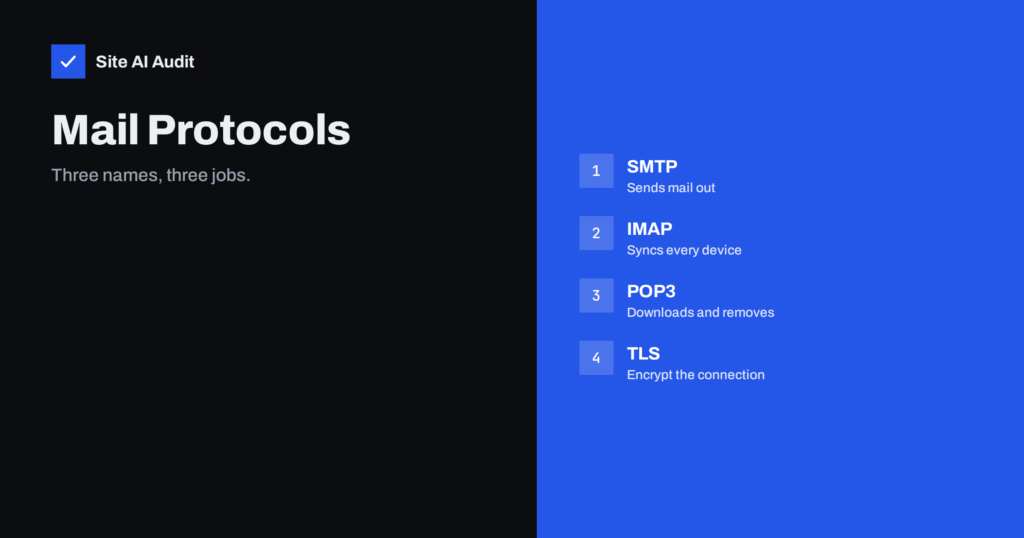
POP3, IMAP and SMTP: How Email Programs Connect to Mail
Learn what POP3, IMAP and SMTP do, which one to choose for phones and computers, which ports and encryption to use and how to…
 11.11.2026 · 8 Min. Lesezeit
Magic Links and One-Time Codes: How Safe Is Passwordless Login?
Magic links and e-mailed codes remove passwords, but they bring new risks. Learn how they work, where they fail and how to build them…
 08.11.2026 · 8 Min. Lesezeit
Email Address Harvesting: Keep Bots From Collecting Yours
Bots scan websites for email addresses to sell or spam. Learn where harvesters find them, which hiding tricks work and how to keep a…
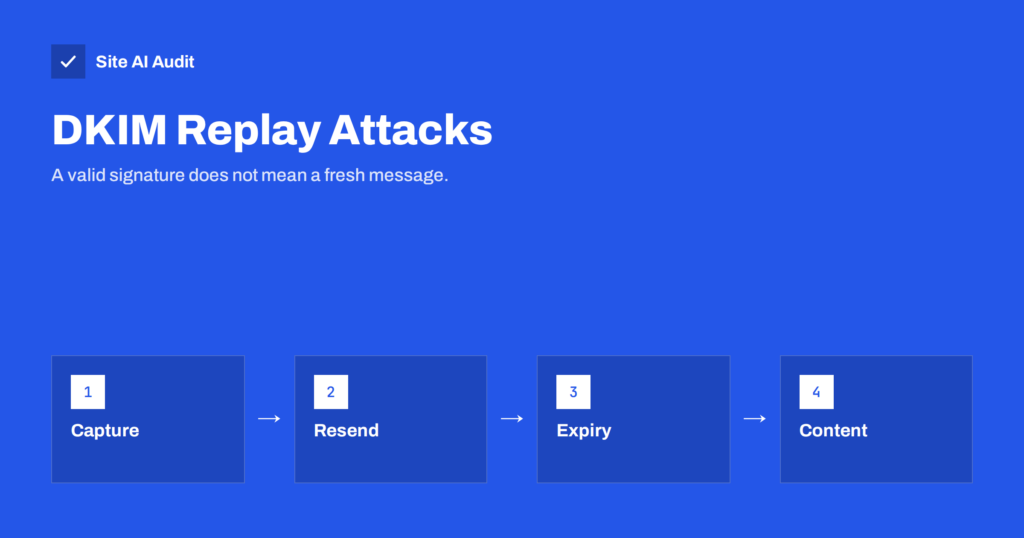 05.11.2026 · 8 Min. Lesezeit
DKIM Replay Attacks: When a Signed Email Is Sent Again
A DKIM replay attack resends a genuine signed email to new victims, so it still passes authentication. Learn how it works and how senders…
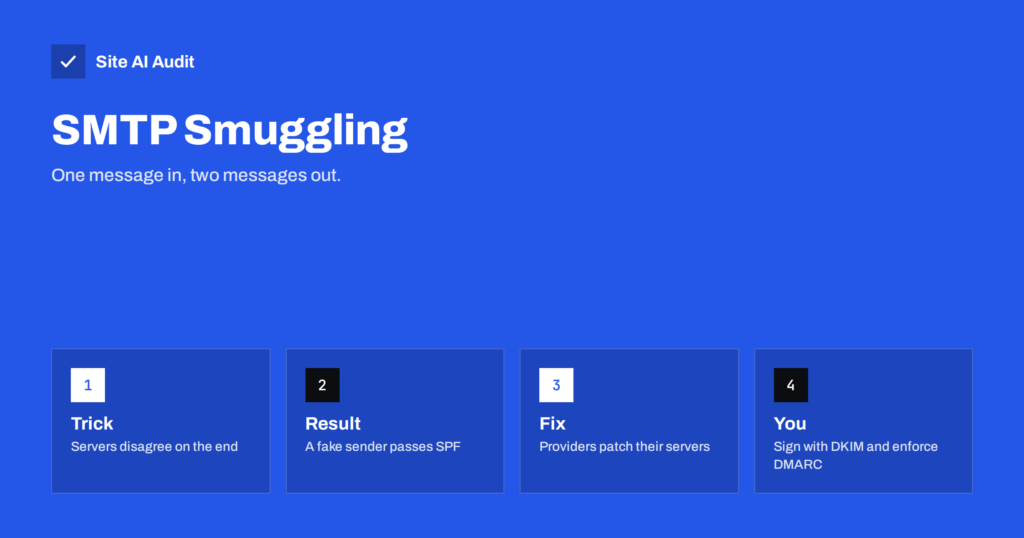 05.11.2026 · 8 Min. Lesezeit
SMTP Smuggling: How Spoofed Email Slips Past SPF and DMARC
SMTP smuggling tricks mail servers into treating one message as two, letting fake senders pass checks. Learn how it works and what domain owners…
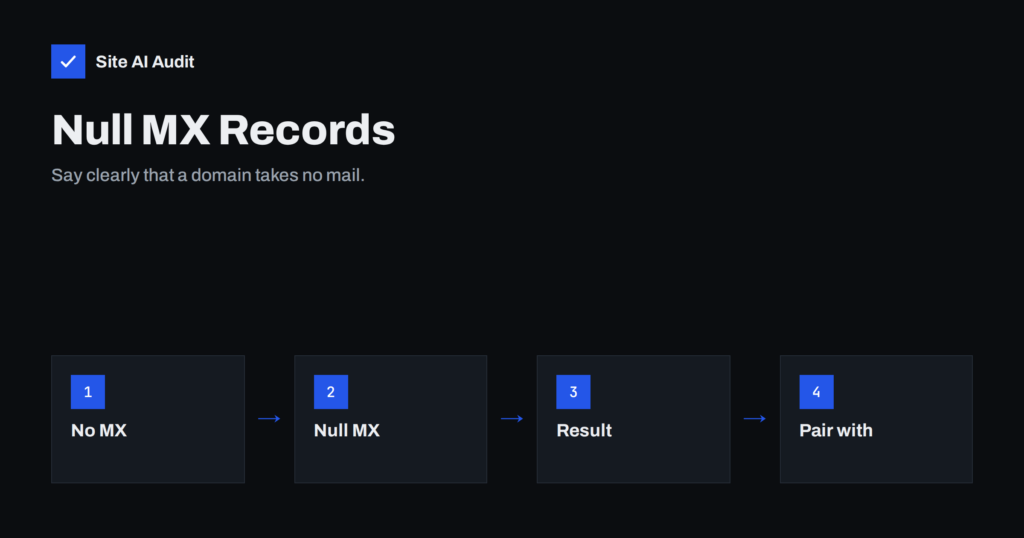 03.11.2026 · 8 Min. Lesezeit
Null MX Records: Declare a Domain That Receives No Email
A null MX record tells other mail servers that your domain does not accept email, so messages fail fast. Learn when to use it,…
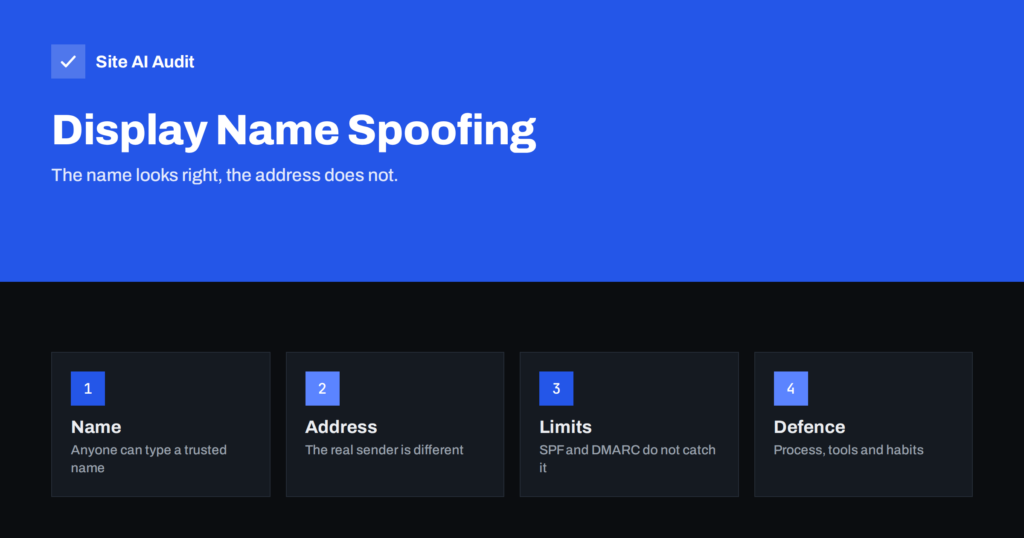 02.11.2026 · 8 Min. Lesezeit
Display Name Spoofing: Fake Senders That Pass Authentication
Display name spoofing shows a trusted name on a message from an unrelated address, so SPF and DMARC cannot stop it. Learn how to…