 ENEnglish
 LTLietuviškai
 DEDeutsch
 FRFrançais
 RUРусский
 ESEspañol
 PLPolski
 ITItaliano
 UKУкраїнська
 CSČeština
 PTPortuguês
 JA日本語
 LVLatviešu valoda
 ETEesti
 HUMagyar
 IDBahasa Indonesia
 TRTürkçe
 HIहिन्दी
 ELΕλληνικά
 ARالعربية
 THไทย
 VITiếng Việt
 RORomână
 MSBahasa Melayu
 BNবাংলা
#Web vulnerabilities
Web vulnerabilities are weaknesses in websites and web applications that attackers can use to read data, change content or take control. Well-known examples include SQL injection, cross-site scripting, broken access control and outdated software with published flaws. Most of them come from code that trusts user input too much or from components that are no longer updated. They affect small sites built on popular content management systems as much as large custom applications. Understanding the common types helps owners ask the right questions of developers and hosting providers. The articles under this tag explain how the main vulnerabilities work and which practical measures prevent them.
 5 Kas 2026 · 8 dk okuma
Sensitive Data in URLs: Tokens, Emails and Referrer Leaks
Web addresses are copied, logged and sent to other sites unnoticed. Learn why tokens and personal data do not belong in a URL and…
 5 Kas 2026 · 8 dk okuma
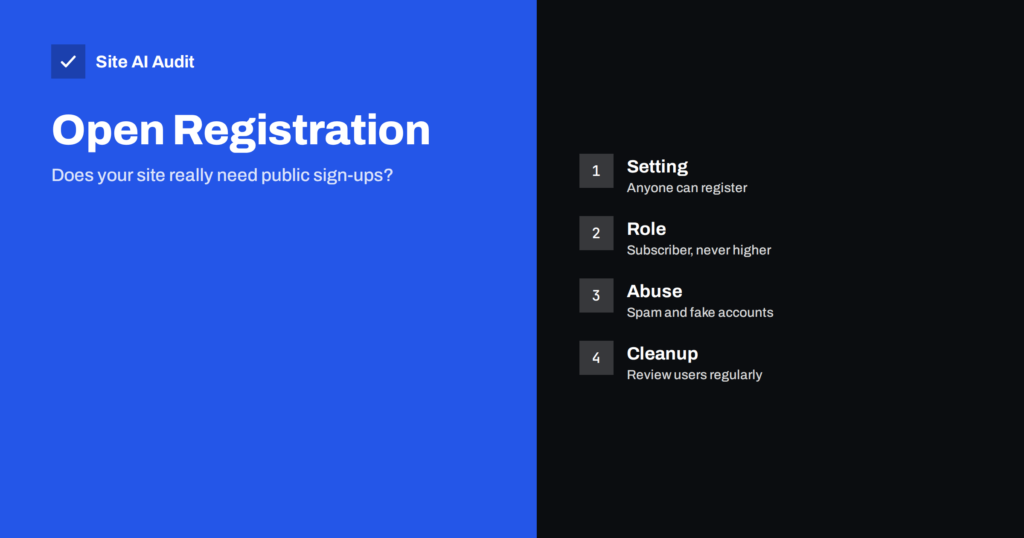
WordPress Open Registration: Spam Accounts and Default Roles
Open sign-ups invite spam accounts and widen your attack surface. Learn how to check the WordPress setting, choose a safe default role and clean…
 5 Kas 2026 · 8 dk okuma
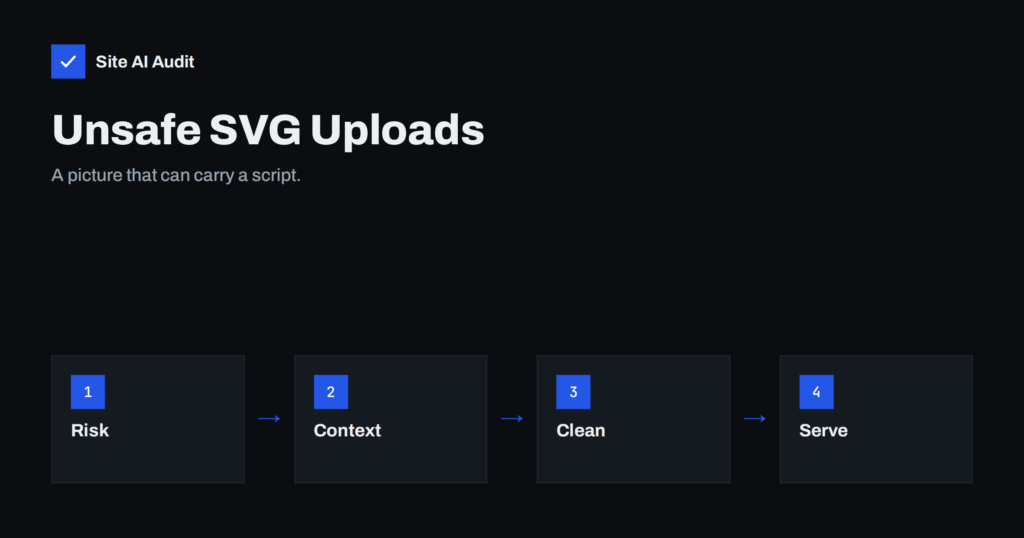
Unsafe SVG Uploads: When an Image File Can Run Code
SVG looks like a picture but is really code. Learn how malicious SVG uploads run scripts, which sites are exposed and how to accept…
 4 Kas 2026 · 8 dk okuma
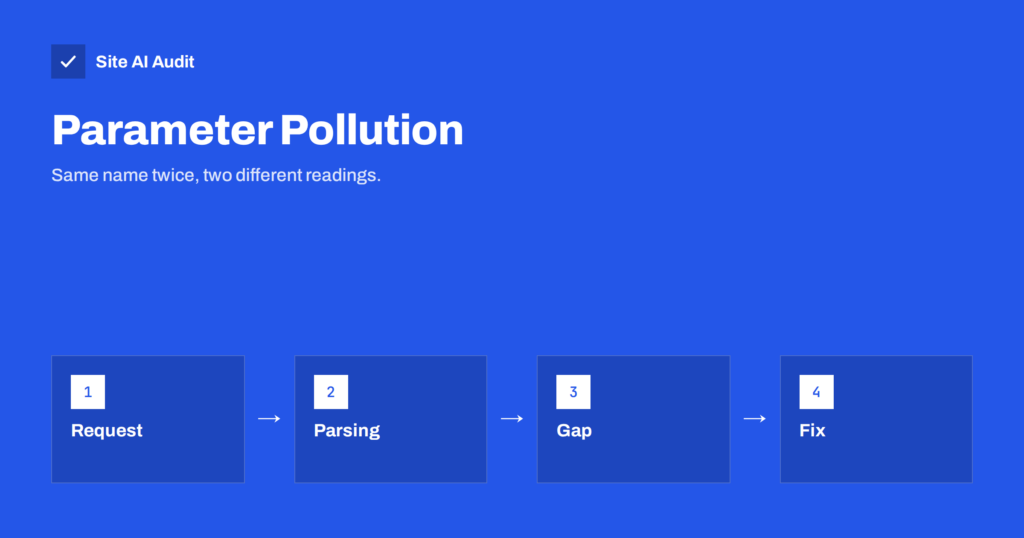
HTTP Parameter Pollution: Duplicate Parameters, Odd Results
Sending the same parameter twice can make a site, a firewall and an app disagree about a request. Learn how HTTP parameter pollution works…
 3 Kas 2026 · 8 dk okuma
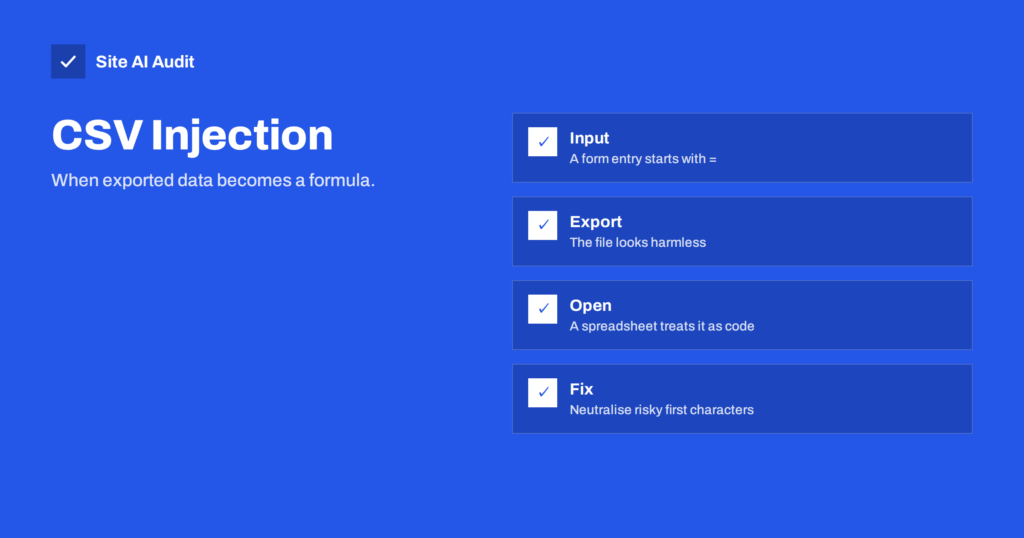
CSV Injection: Spreadsheet Formulas in Your Website Exports
A form entry that starts with an equals sign can become a formula when staff open an export. Learn how CSV injection works and…
 3 Kas 2026 · 7 dk okuma
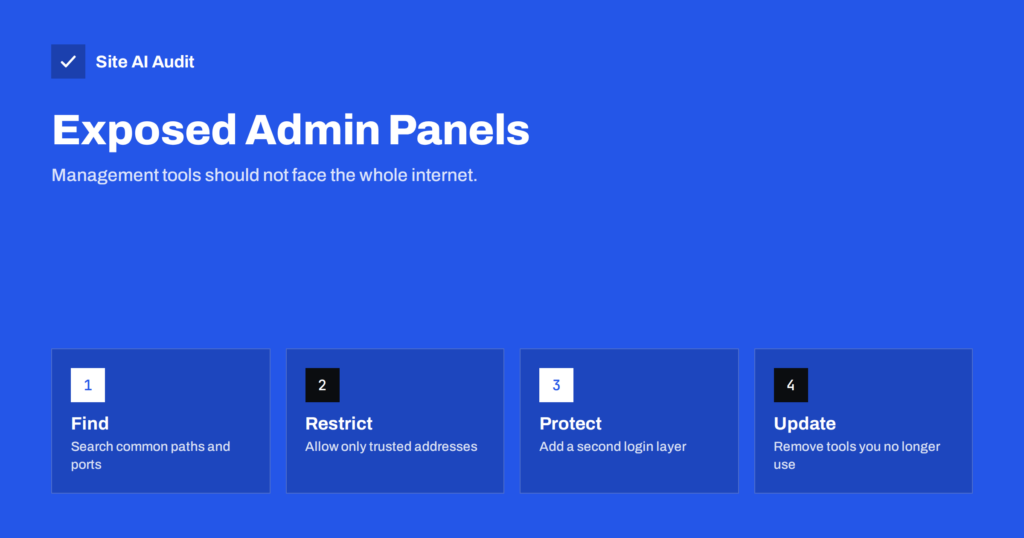
Exposed phpMyAdmin and Admin Panels: Find and Lock Them
Database tools and control panels left open to the internet are a favourite target for bots. Learn how to find exposed admin panels and…
 3 Kas 2026 · 8 dk okuma
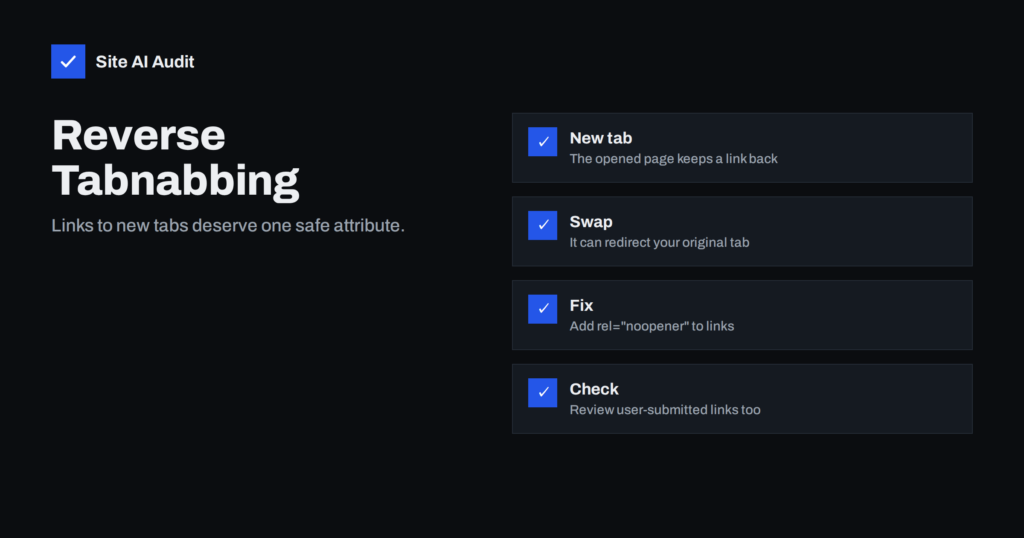
Reverse Tabnabbing: Why target=_blank Links Need noopener
Links that open in a new tab can let the new page tamper with the old one. Learn how reverse tabnabbing works, where it…
 2 Kas 2026 · 7 dk okuma
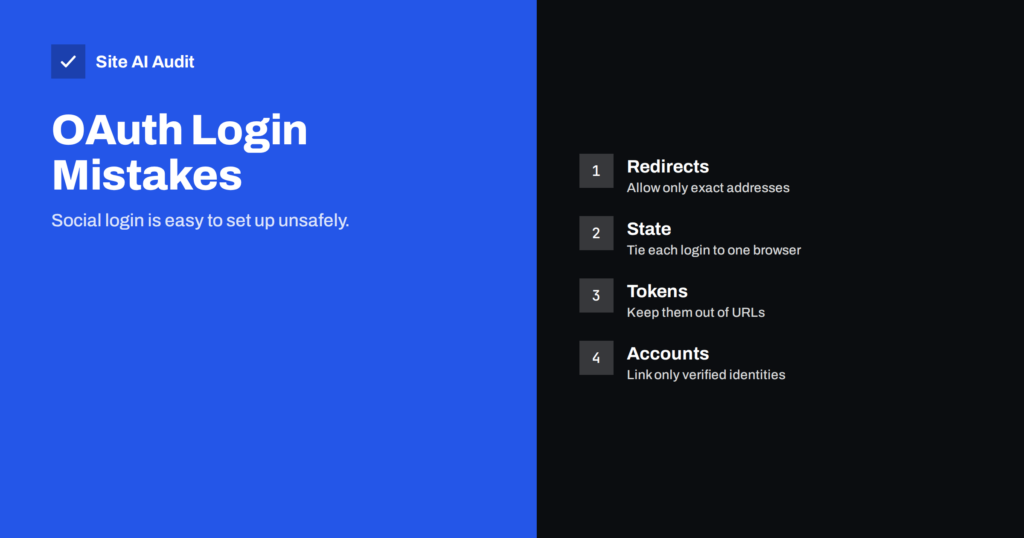
Sign in With Google or Facebook: Common OAuth Security Mistakes
Social login is convenient but easy to set up unsafely. Learn the common OAuth mistakes, from loose redirects to missing state checks, and how…
 2 Kas 2026 · 7 dk okuma
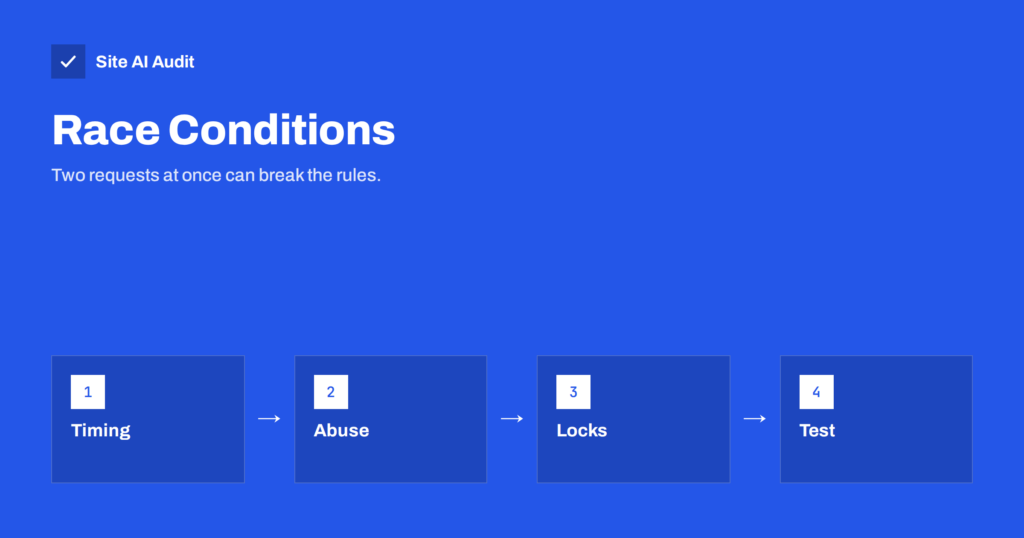
Race Conditions in Web Apps: Double Clicks That Break Rules
Two requests at the same instant can slip past limits, reuse coupons or double refunds. Learn how race conditions work and how to prevent…
 2 Kas 2026 · 8 dk okuma
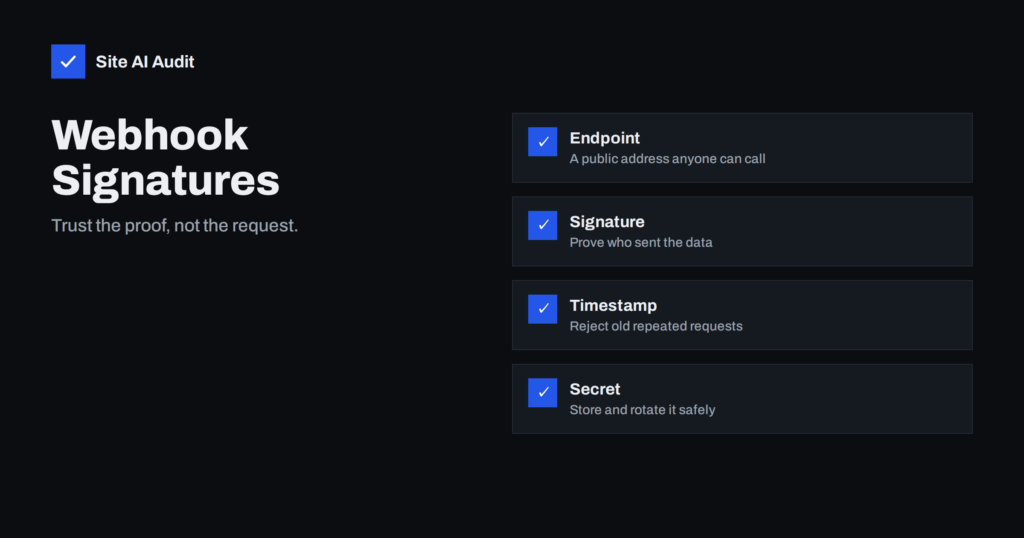
Webhook Security: Verify Signatures Before You Trust Data
Webhooks let other services call your site, so anyone can pretend to be them. Learn how signatures, timestamps and replay checks keep the data…
 1 Kas 2026 · 8 dk okuma
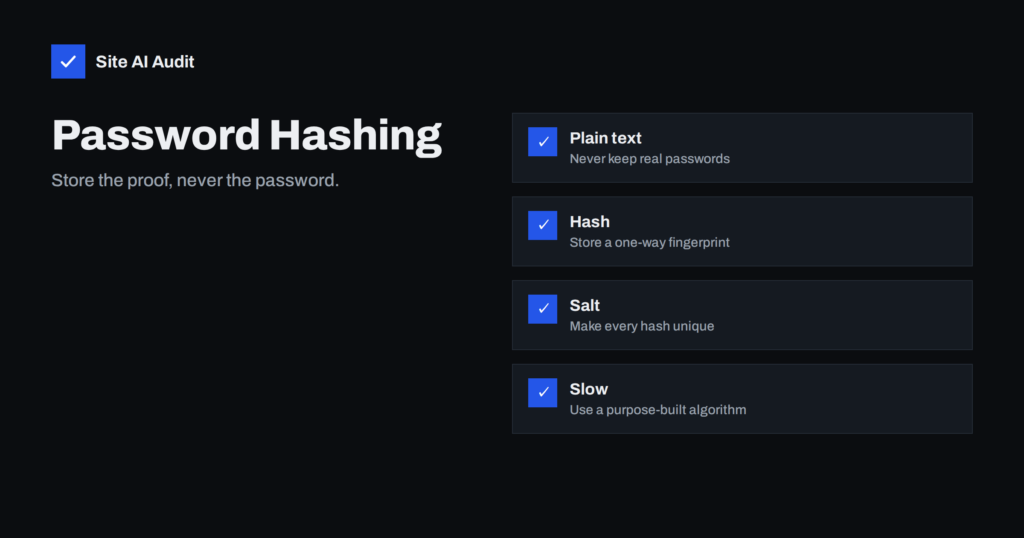
How Websites Should Store Passwords: Hashing Explained
Websites should never keep passwords as plain text. Learn what hashing and salting are, which algorithms are recommended and how to check your own…
 1 Kas 2026 · 8 dk okuma
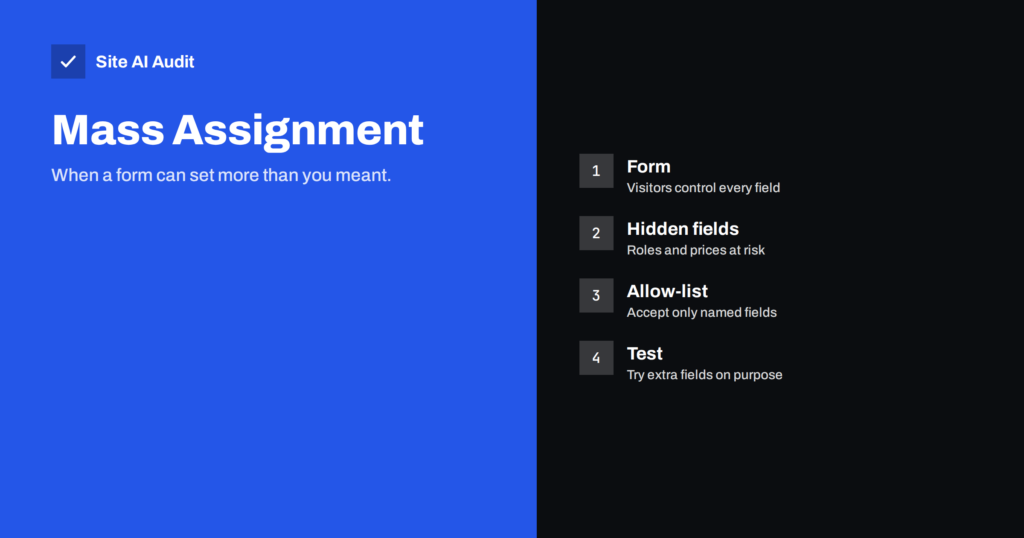
Mass Assignment Vulnerabilities: When Forms Set Too Much
Mass assignment lets visitors change fields they should never touch, such as roles or prices. Learn how it happens, how to spot it and…