 ENEnglish
 LTLietuviškai
 DEDeutsch
 FRFrançais
 RUРусский
 ESEspañol
 PLPolski
 ITItaliano
 UKУкраїнська
 CSČeština
 PTPortuguês
 JA日本語
 LVLatviešu valoda
 ETEesti
 HUMagyar
 IDBahasa Indonesia
 TRTürkçe
 HIहिन्दी
 ELΕλληνικά
 ARالعربية
 THไทย
 VITiếng Việt
 RORomână
 MSBahasa Melayu
 BNবাংলা
#Web vulnerabilities
Web vulnerabilities are weaknesses in websites and web applications that attackers can use to read data, change content or take control. Well-known examples include SQL injection, cross-site scripting, broken access control and outdated software with published flaws. Most of them come from code that trusts user input too much or from components that are no longer updated. They affect small sites built on popular content management systems as much as large custom applications. Understanding the common types helps owners ask the right questions of developers and hosting providers. The articles under this tag explain how the main vulnerabilities work and which practical measures prevent them.
 Nov 9, 2026 · 8 min read
Cookie Prefixes __Host- and __Secure-: Safer Cookie Names
The prefixes __Secure- and __Host- make browsers enforce strict rules on a cookie. Learn what each requires, which cookies to protect and how to…
 Nov 9, 2026 · 8 min read
Business Logic Vulnerabilities: When the Rules Can Be Abused
Some attacks use a site exactly as designed, just in the wrong order or amount. Learn what business logic flaws are, see real examples…
 Nov 8, 2026 · 8 min read
HTML Injection and Content Spoofing: Fake Text on Real Pages
When a page repeats text from the web address, an attacker can make your real site say anything. Learn how content spoofing works and…
 Nov 8, 2026 · 8 min read
Virtual Patching: Protect a Vulnerable Site Before the Update
Virtual patching blocks attacks on a known flaw at the firewall or server while you wait for a real fix. Learn how it works,…
 Nov 7, 2026 · 8 min read
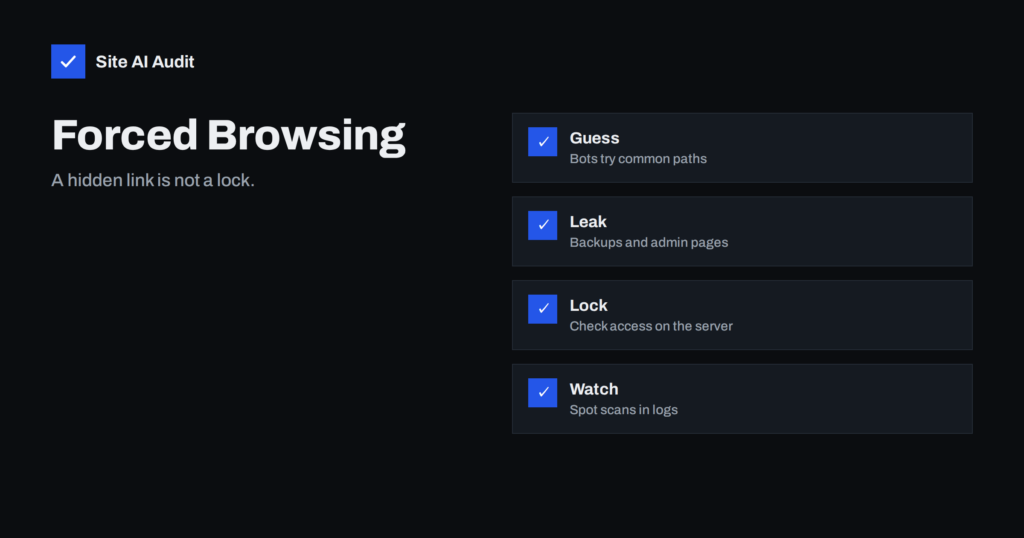
Forced Browsing: Why a Hidden URL Is Not a Protected One
Forced browsing means guessing web addresses that are not linked anywhere. Learn why hidden pages are not safe and how to protect them with…
 Nov 6, 2026 · 8 min read
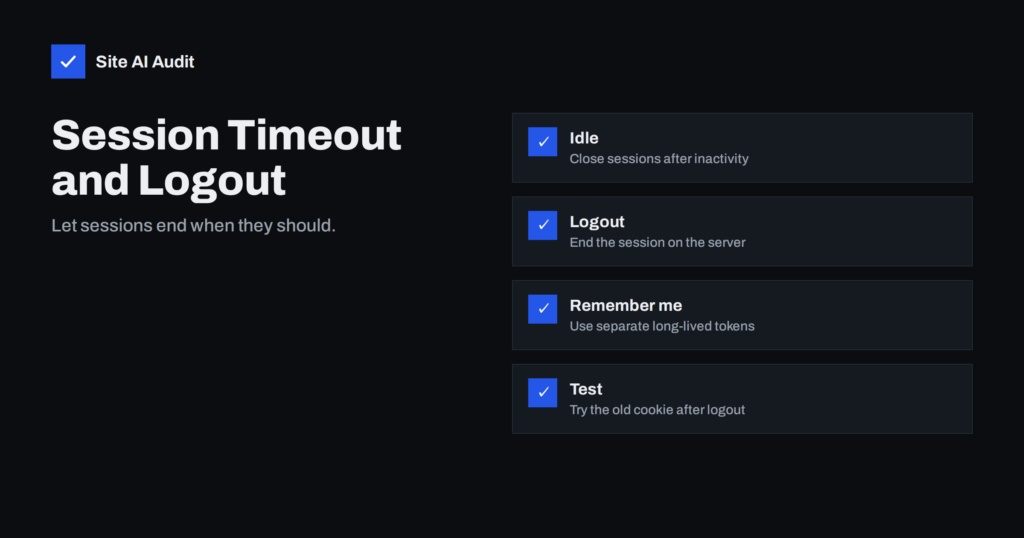
Session Timeout and Logout: How to End Sessions Safely
A login that never ends is a risk on shared and stolen devices. Learn how idle timeouts, safe logout and server-side sessions protect users…
 Nov 6, 2026 · 8 min read
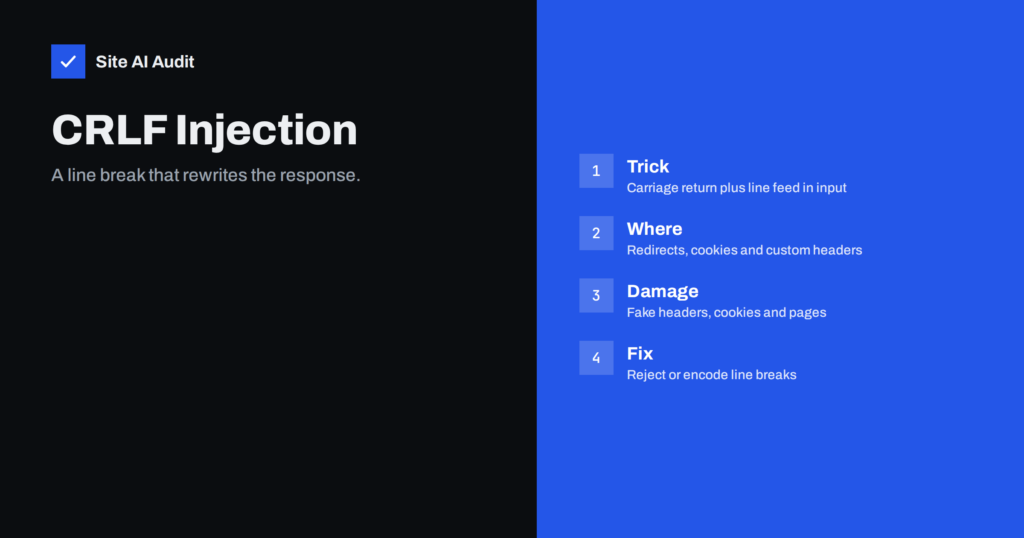
CRLF Injection: How One Line Break Can Split an HTTP Response
One unchecked line break can let an attacker add headers or cookies to your responses. Learn how CRLF injection works, where it hides and…
 Nov 5, 2026 · 8 min read
Sensitive Data in URLs: Tokens, Emails and Referrer Leaks
Web addresses are copied, logged and sent to other sites unnoticed. Learn why tokens and personal data do not belong in a URL and…
 Nov 5, 2026 · 8 min read
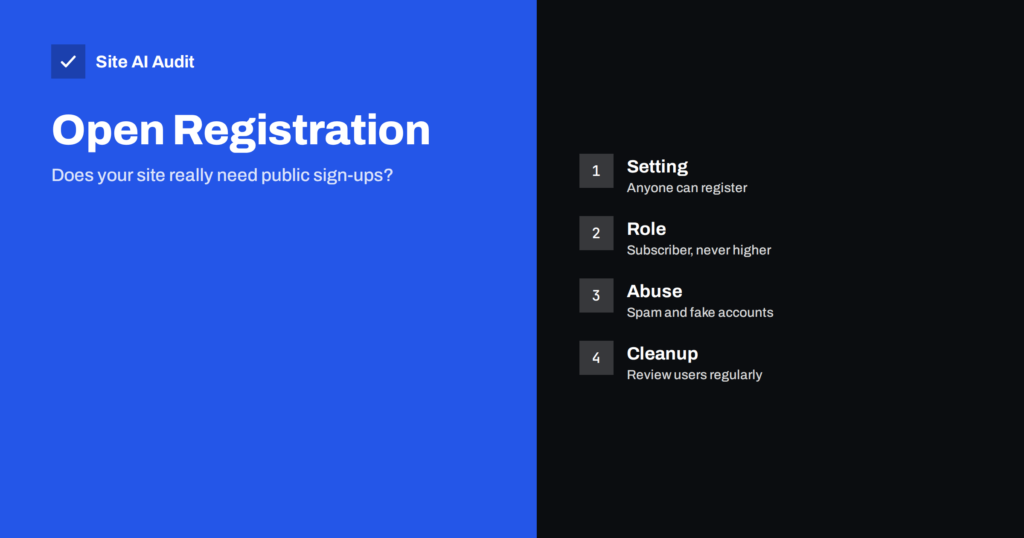
WordPress Open Registration: Spam Accounts and Default Roles
Open sign-ups invite spam accounts and widen your attack surface. Learn how to check the WordPress setting, choose a safe default role and clean…
 Nov 5, 2026 · 8 min read
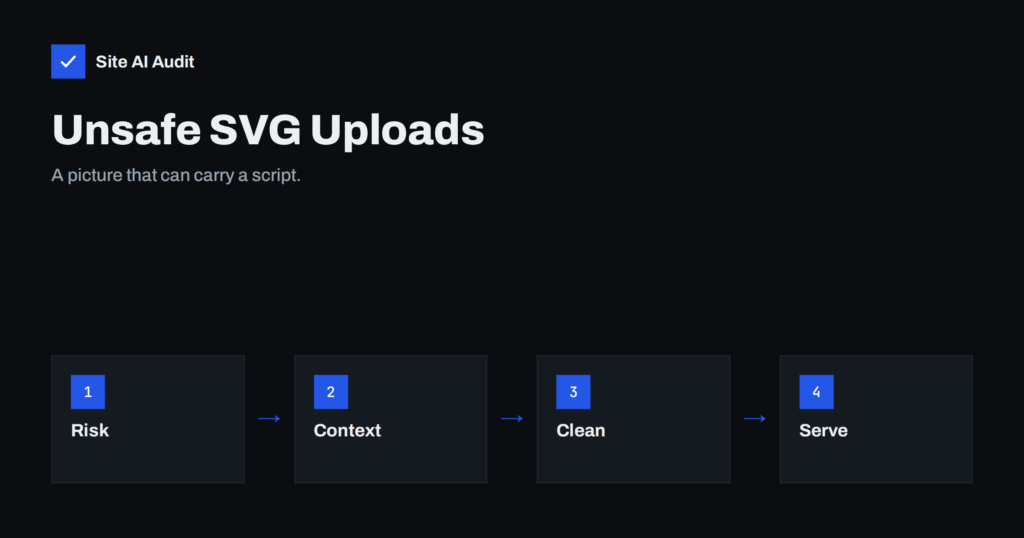
Unsafe SVG Uploads: When an Image File Can Run Code
SVG looks like a picture but is really code. Learn how malicious SVG uploads run scripts, which sites are exposed and how to accept…
 Nov 4, 2026 · 8 min read
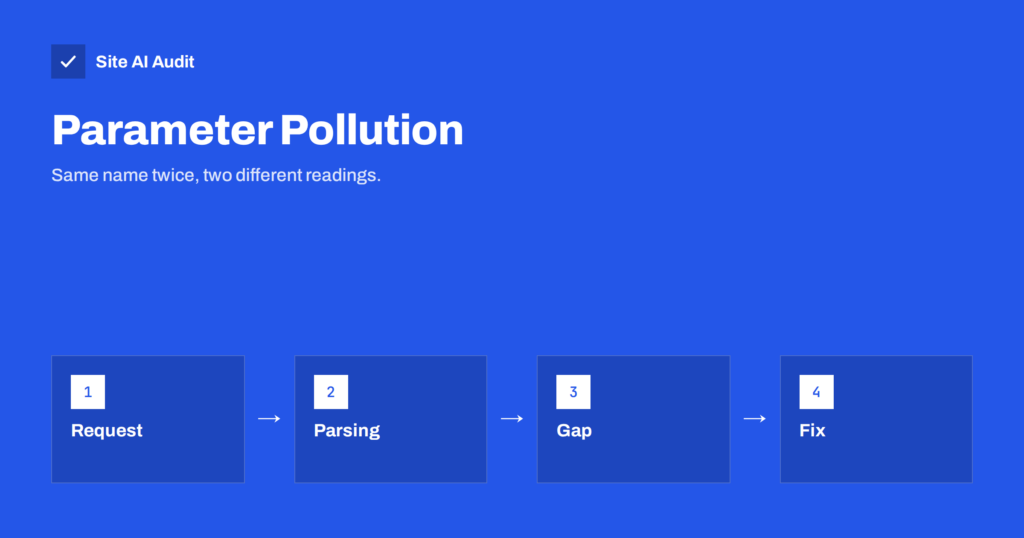
HTTP Parameter Pollution: Duplicate Parameters, Odd Results
Sending the same parameter twice can make a site, a firewall and an app disagree about a request. Learn how HTTP parameter pollution works…
 Nov 3, 2026 · 8 min read
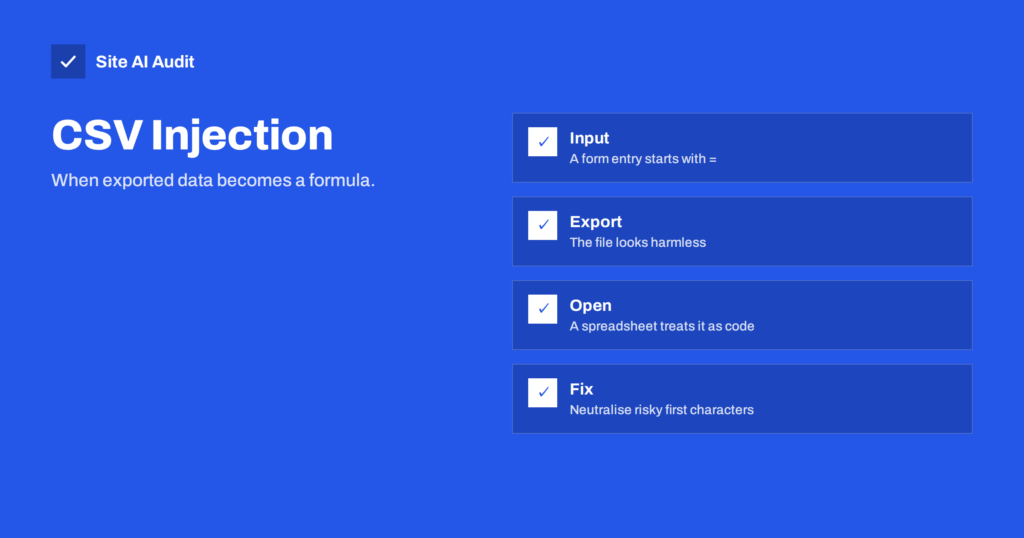
CSV Injection: Spreadsheet Formulas in Your Website Exports
A form entry that starts with an equals sign can become a formula when staff open an export. Learn how CSV injection works and…