 ENEnglish
 LTLietuviškai
 DEDeutsch
 FRFrançais
 RUРусский
 ESEspañol
 PLPolski
 ITItaliano
 UKУкраїнська
 CSČeština
 PTPortuguês
 JA日本語
 LVLatviešu valoda
 ETEesti
 HUMagyar
 IDBahasa Indonesia
 TRTürkçe
 HIहिन्दी
 ELΕλληνικά
 ARالعربية
 THไทย
 VITiếng Việt
 RORomână
 MSBahasa Melayu
 BNবাংলা
#Web vulnerabilities
Web vulnerabilities are weaknesses in websites and web applications that attackers can use to read data, change content or take control. Well-known examples include SQL injection, cross-site scripting, broken access control and outdated software with published flaws. Most of them come from code that trusts user input too much or from components that are no longer updated. They affect small sites built on popular content management systems as much as large custom applications. Understanding the common types helps owners ask the right questions of developers and hosting providers. The articles under this tag explain how the main vulnerabilities work and which practical measures prevent them.
 17 de nov. de 2026 · 7 min de leitura
Exposed Server, PHP and WordPress Versions: What to Do
Why does Site AI Audit flag a visible server, PHP or WordPress version? Learn what attackers do with version numbers and how to hide…
 12 de nov. de 2026 · 8 min de leitura
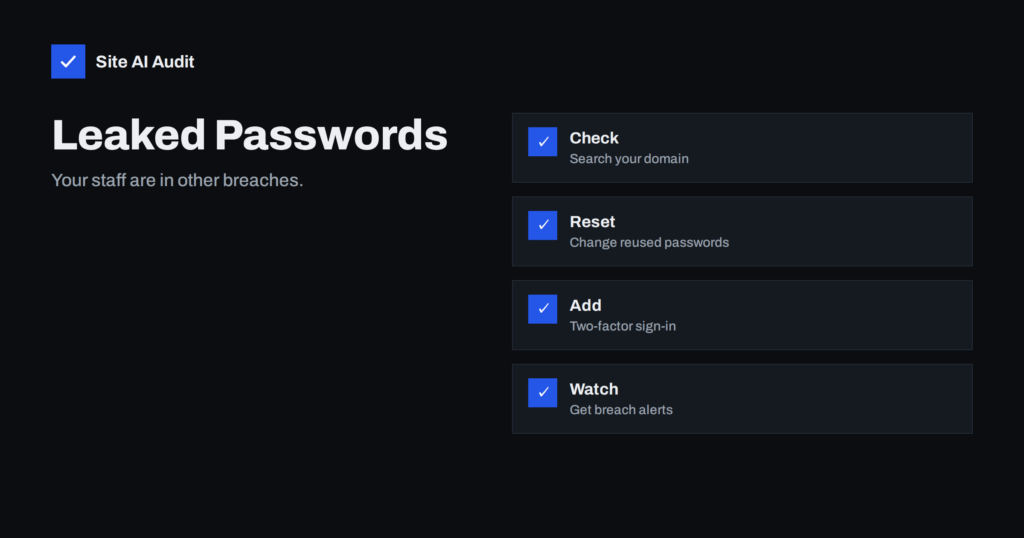
Leaked Passwords and Your Domain: Check Breach Exposure
Passwords from other companies' breaches are used against your accounts. Learn how to check if your domain's addresses appear in leaks and what to…
 11 de nov. de 2026 · 8 min de leitura
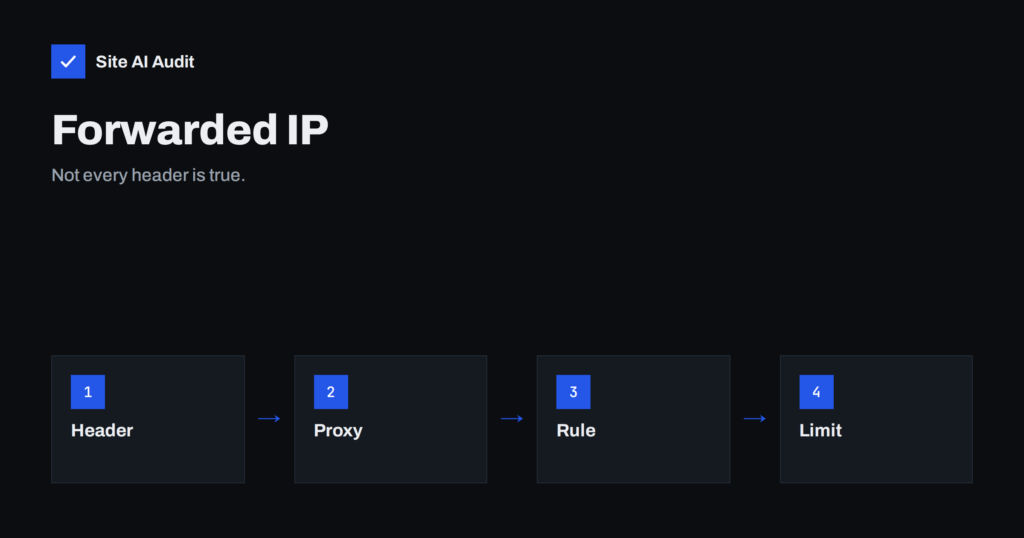
X-Forwarded-For: Why Visitor IP Headers Can Be Faked
Sites behind proxies and CDNs read the visitor's IP from headers that anyone can forge. Learn how X-Forwarded-For spoofing works and how to trust…
 11 de nov. de 2026 · 8 min de leitura
Magic Links and One-Time Codes: How Safe Is Passwordless Login?
Magic links and e-mailed codes remove passwords, but they bring new risks. Learn how they work, where they fail and how to build them…
 10 de nov. de 2026 · 8 min de leitura
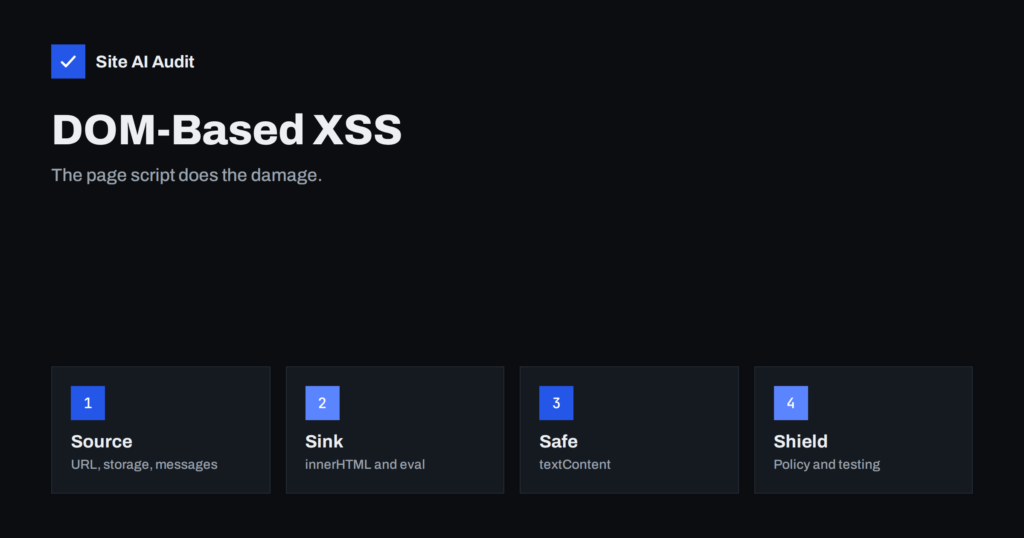
DOM-Based XSS: When Your Own Script Opens the Door
DOM-based XSS happens in the browser when page scripts write untrusted data into the page. Learn how it works, where it hides and how…
 9 de nov. de 2026 · 8 min de leitura
Cookie Prefixes __Host- and __Secure-: Safer Cookie Names
The prefixes __Secure- and __Host- make browsers enforce strict rules on a cookie. Learn what each requires, which cookies to protect and how to…
 9 de nov. de 2026 · 8 min de leitura
Business Logic Vulnerabilities: When the Rules Can Be Abused
Some attacks use a site exactly as designed, just in the wrong order or amount. Learn what business logic flaws are, see real examples…
 8 de nov. de 2026 · 8 min de leitura
HTML Injection and Content Spoofing: Fake Text on Real Pages
When a page repeats text from the web address, an attacker can make your real site say anything. Learn how content spoofing works and…
 8 de nov. de 2026 · 8 min de leitura
Virtual Patching: Protect a Vulnerable Site Before the Update
Virtual patching blocks attacks on a known flaw at the firewall or server while you wait for a real fix. Learn how it works,…
 7 de nov. de 2026 · 8 min de leitura
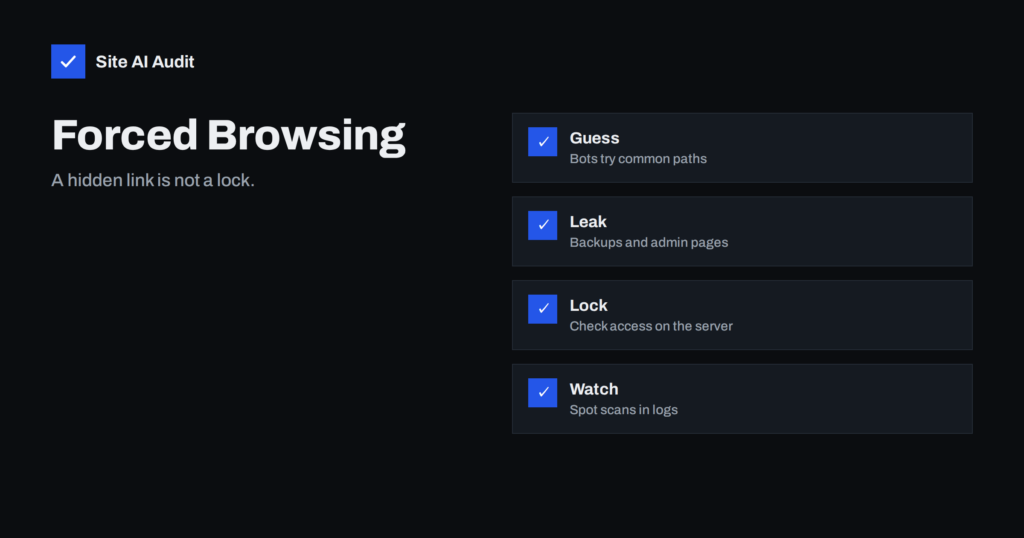
Forced Browsing: Why a Hidden URL Is Not a Protected One
Forced browsing means guessing web addresses that are not linked anywhere. Learn why hidden pages are not safe and how to protect them with…
 6 de nov. de 2026 · 8 min de leitura
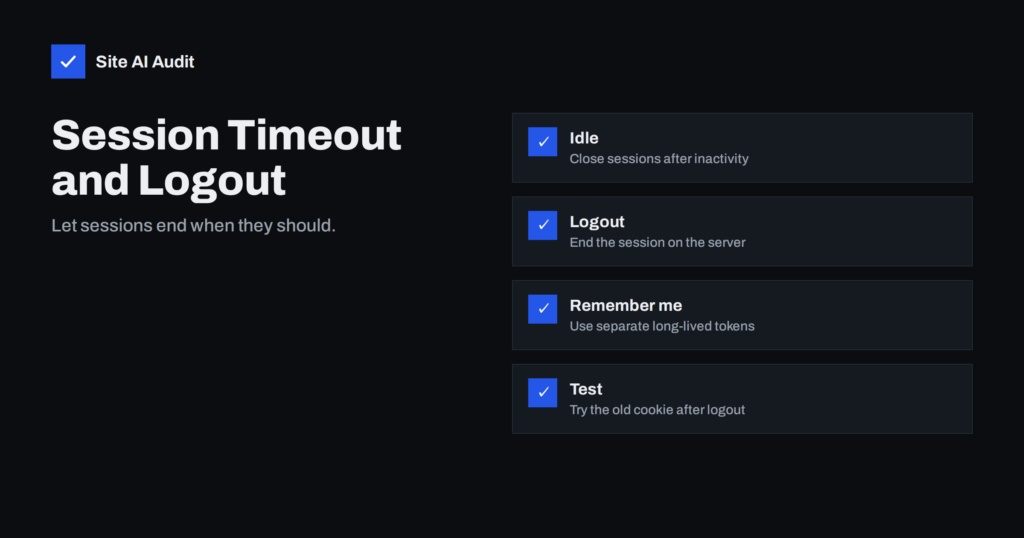
Session Timeout and Logout: How to End Sessions Safely
A login that never ends is a risk on shared and stolen devices. Learn how idle timeouts, safe logout and server-side sessions protect users…
 6 de nov. de 2026 · 8 min de leitura
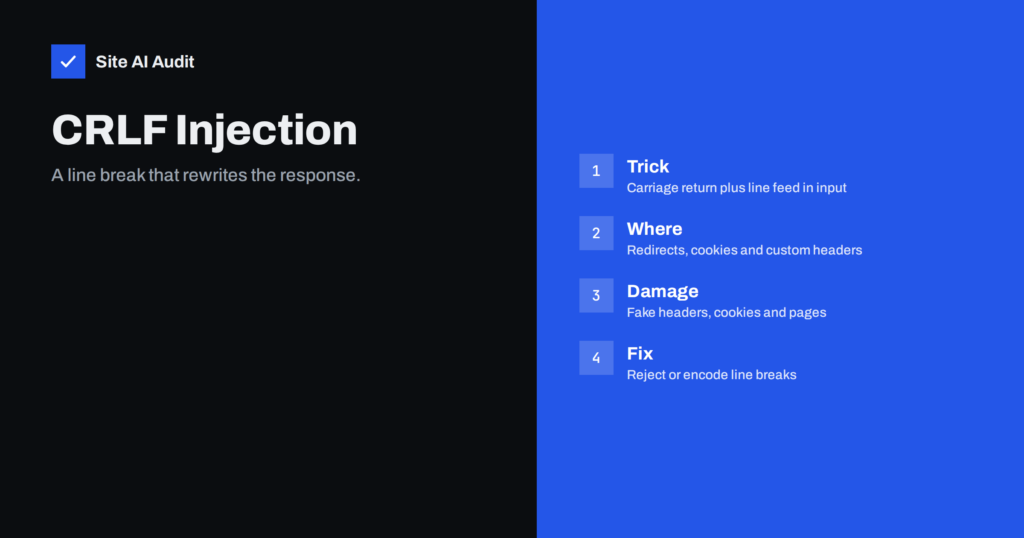
CRLF Injection: How One Line Break Can Split an HTTP Response
One unchecked line break can let an attacker add headers or cookies to your responses. Learn how CRLF injection works, where it hides and…