 ENEnglish
 LTLietuviškai
 DEDeutsch
 FRFrançais
 RUРусский
 ESEspañol
 PLPolski
 ITItaliano
 UKУкраїнська
 CSČeština
 PTPortuguês
 JA日本語
 LVLatviešu valoda
 ETEesti
 HUMagyar
 IDBahasa Indonesia
 TRTürkçe
 HIहिन्दी
 ELΕλληνικά
 ARالعربية
 THไทย
 VITiếng Việt
 RORomână
 MSBahasa Melayu
 BNবাংলা
#Hacked website
A hacked website can send visitors to scams, show spam in search results or quietly steal data. Articles tagged here explain how to recognise the signs of a compromise early. They describe the first steps to take, how to clean a site and how to close the hole that let attackers in. You will also learn how to remove browser and search engine warnings after the cleanup. The guides are written for owners who need calm, ordered instructions under pressure. Prevention advice is included so the same problem does not return.
 16. okt 2026 · 8 min lugemist
Cryptojacking: Hidden Miner Scripts on Your Website
Hidden scripts can use your visitors' devices or your server to mine cryptocurrency. Learn the warning signs, how to find them and how to…
 16. okt 2026 · 7 min lugemist
Shared Hosting Security: How One Hacked Site Infects Others
Several sites in one hosting account can fall together when one is hacked. Learn how cross-site infection happens and how to isolate your websites.
 9. okt 2026 · 8 min lugemist
Japanese Keyword Hack: How to Find and Remove SEO Spam Pages
The Japanese keyword hack fills your site with spam pages that Google indexes. Learn how to spot it, clean it up and win back…
 1. okt 2026 · 7 min lugemist
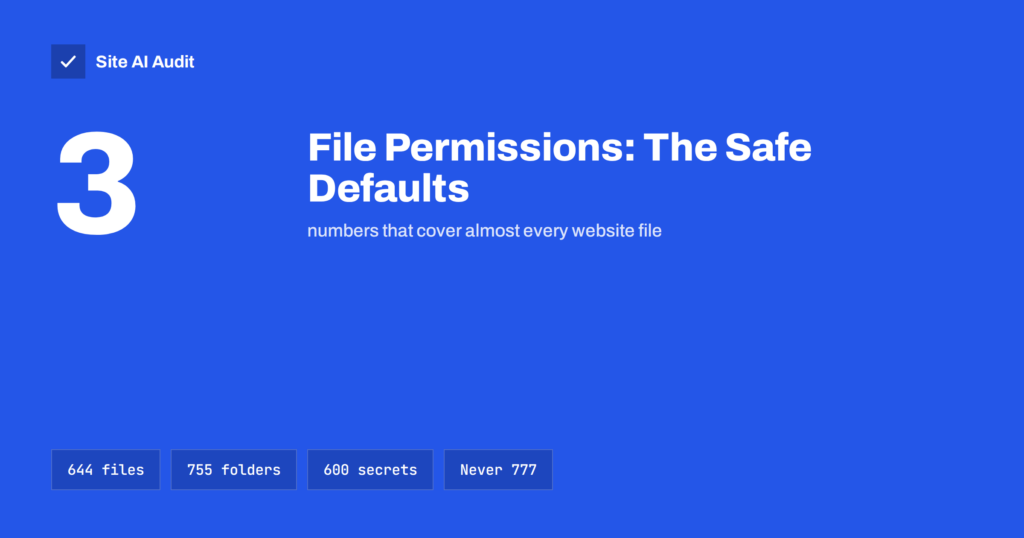
File Permissions on a Web Server: Safe Settings Explained
Wrong file permissions let attackers change your site, while 777 hides deeper problems. Learn what 644, 755 and 600 mean and how to set…
 30. sept 2026 · 8 min lugemist
SQL Injection Explained: How Sites Get Breached and Protected
SQL injection lets attackers read or change your website's database through a form or URL. Learn how it works, where the risk comes from…
 30. sept 2026 · 8 min lugemist
Two-Factor Authentication for Website Owners: What to Protect
Two-factor authentication stops most stolen-password takeovers. See which website accounts to protect first, which 2FA methods to use and how to avoid lockouts.
 29. sept 2026 · 8 min lugemist
Uploads Folder Security: How to Block PHP Execution
Attackers love hiding scripts in the uploads folder. Learn why, how to block PHP execution there on Apache and Nginx, and how to test…
 29. sept 2026 · 7 min lugemist
Nulled Themes and Plugins: The Real Cost of Free Premium
Nulled themes and plugins often hide backdoors, spam links and redirects, and never get security updates. Learn the risks, the signs and how to…
 23. sept 2026 · 7 min lugemist
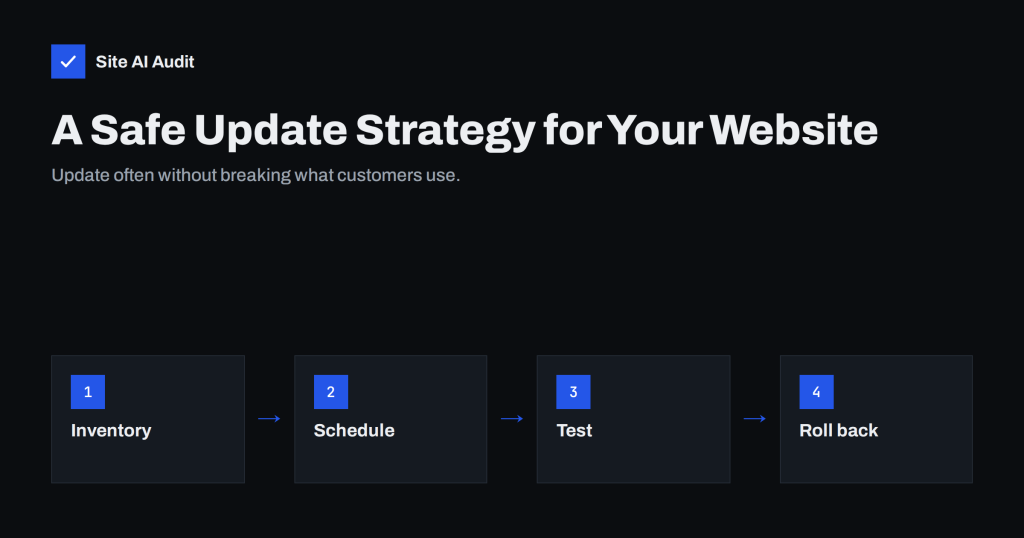
Outdated Plugins and CMS Versions: A Safe Update Strategy
Outdated plugins are the most common way websites get hacked. Learn how to update the CMS, plugins, themes and PHP safely, often, and without…
 21. sept 2026 · 7 min lugemist
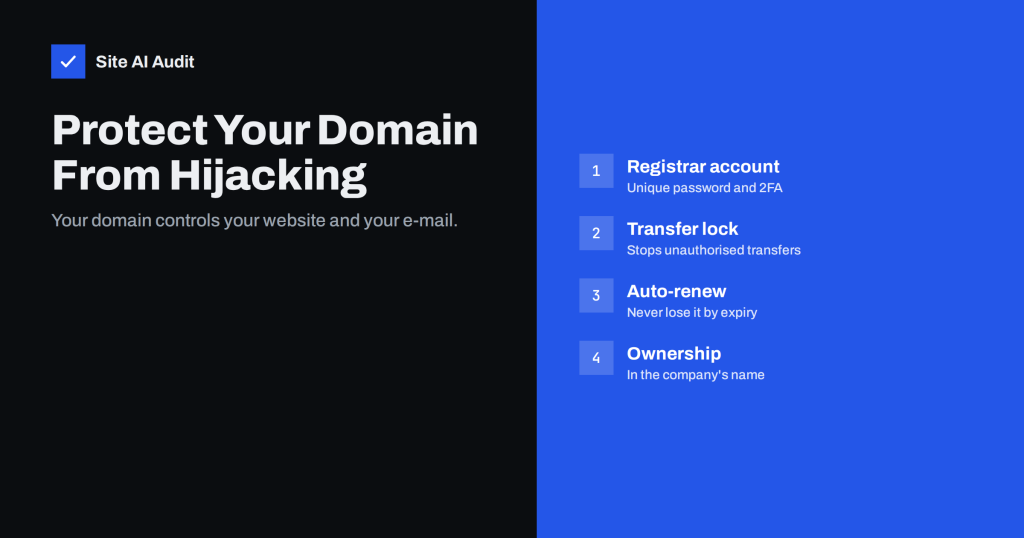
Domain Hijacking: How to Protect Your Domain Name and DNS
Losing control of your domain takes down your website and e-mail at once. Learn how domains get hijacked or expire and how to lock…
 17. sept 2026 · 8 min lugemist
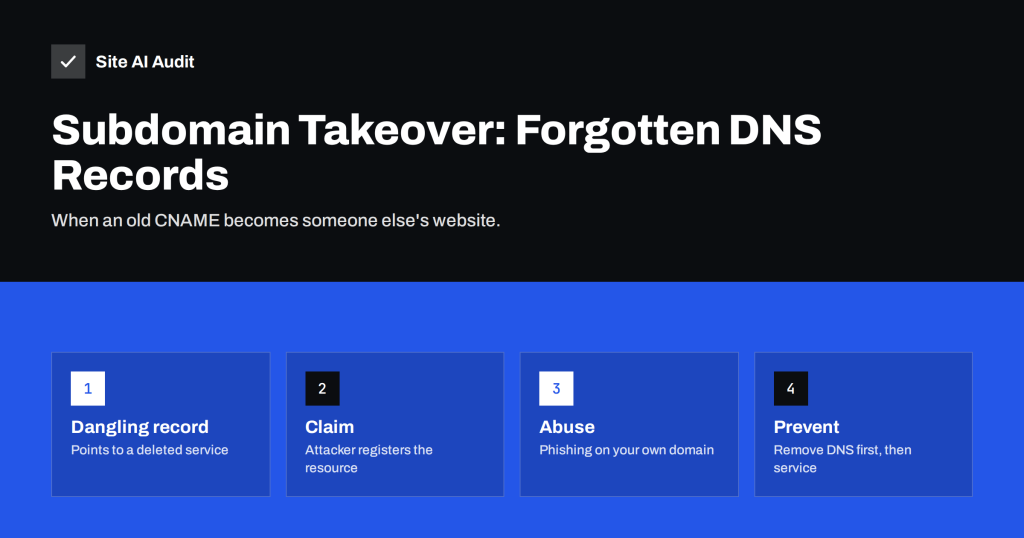
Subdomain Takeover: How Forgotten DNS Records Get Hijacked
A DNS record pointing to a service you no longer use can let attackers take over your subdomain. Learn how subdomain takeover works and…
 12. sept 2026 · 8 min lugemist
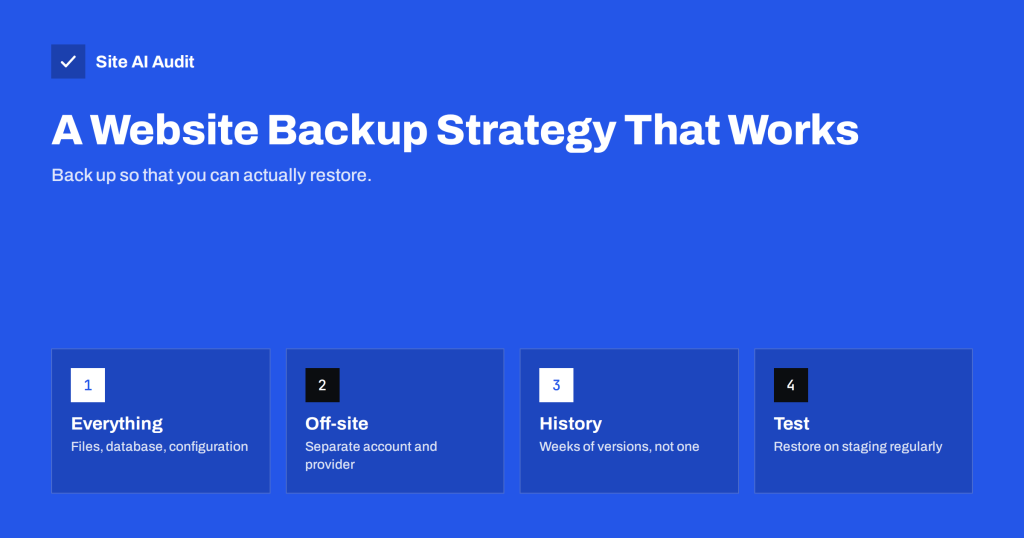
Website Backup Strategy: How to Back Up So You Can Restore
Backups only matter if you can restore them. Learn what to back up, how often, where to store copies and how to test restores…