 ENEnglish
 LTLietuviškai
 DEDeutsch
 FRFrançais
 RUРусский
 ESEspañol
 PLPolski
 ITItaliano
 UKУкраїнська
 CSČeština
 PTPortuguês
 JA日本語
JA日本語 LVLatviešu valoda
 ETEesti
 HUMagyar
 IDBahasa Indonesia
 TRTürkçe
 HIहिन्दी
 ELΕλληνικά
 ARالعربية
 THไทย
THไทย VITiếng Việt
 RORomână
 MSBahasa Melayu
 BNবাংলা
#TLS
TLS is the protocol that encrypts the connection between a browser and a web server, and it is what people usually mean by SSL today. Articles tagged here explain TLS versions, cipher settings, certificate chains and handshake errors. They show how to disable outdated protocols without locking out real visitors. You will learn how to read common browser error codes and what each one says about the server. The guides include commands and settings for popular servers and hosting panels. Use them when a TLS test gives a poor grade or a connection fails.
 1 Οκτ 2026 · 8 λεπτά ανάγνωσης
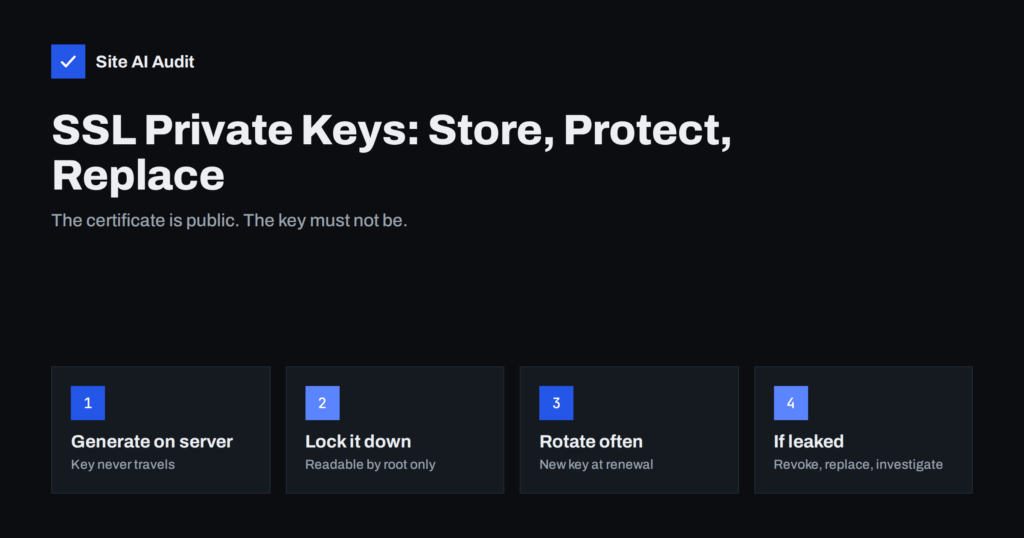
SSL Private Keys: How to Store, Protect and Replace Them
Your SSL certificate is only as safe as its private key. Learn where keys should live, who may access them, and what to do…
 1 Οκτ 2026 · 8 λεπτά ανάγνωσης
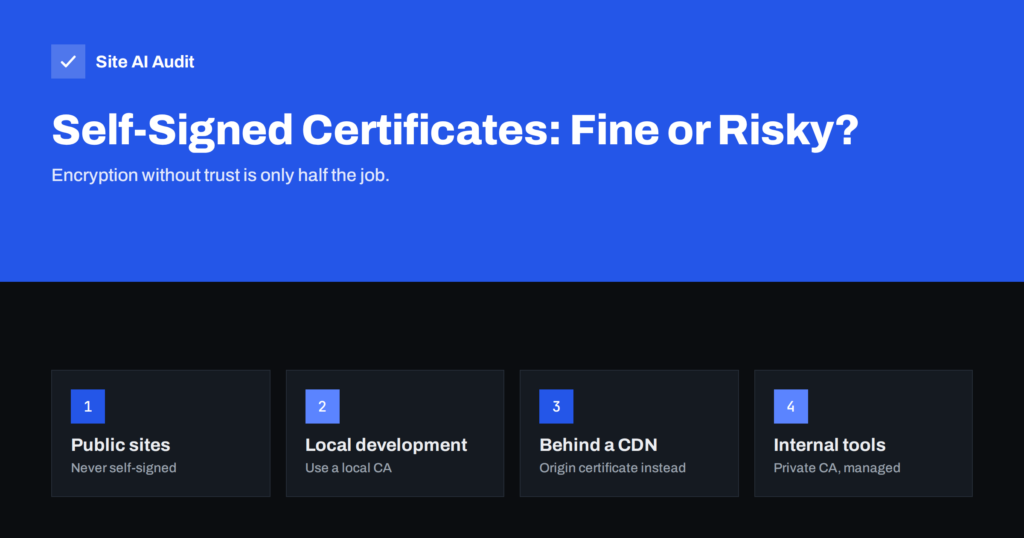
Self-Signed SSL Certificates: When Are They Acceptable?
Self-signed certificates encrypt traffic but browsers do not trust them. Learn where they are acceptable, where they are risky, and the better free options.
 1 Οκτ 2026 · 8 λεπτά ανάγνωσης
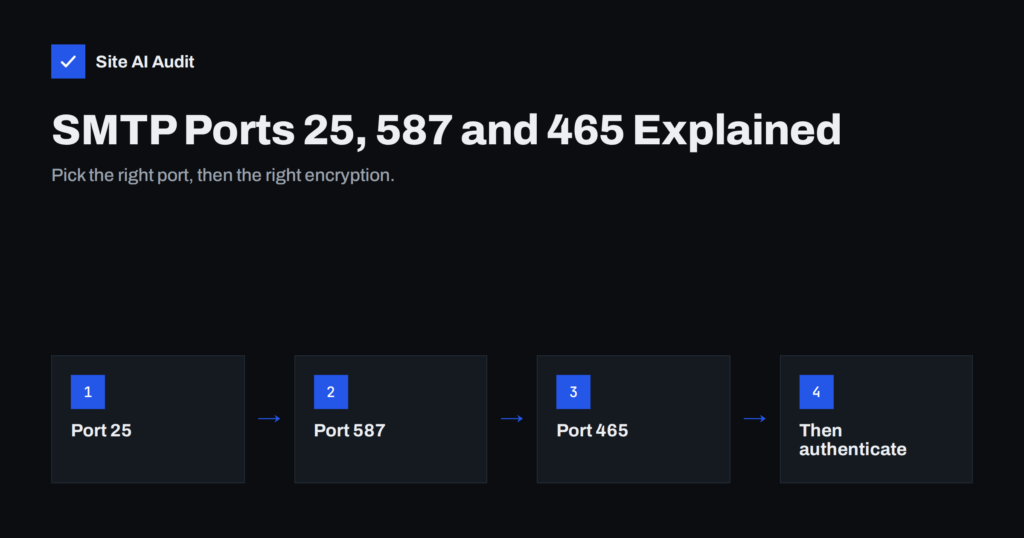
SMTP Ports 25, 587 and 465: Which One Should You Use?
Port 25, 587 or 465? Learn what each SMTP port is for, which to use for your website or mail app, and how to…
 29 Σεπ 2026 · 7 λεπτά ανάγνωσης
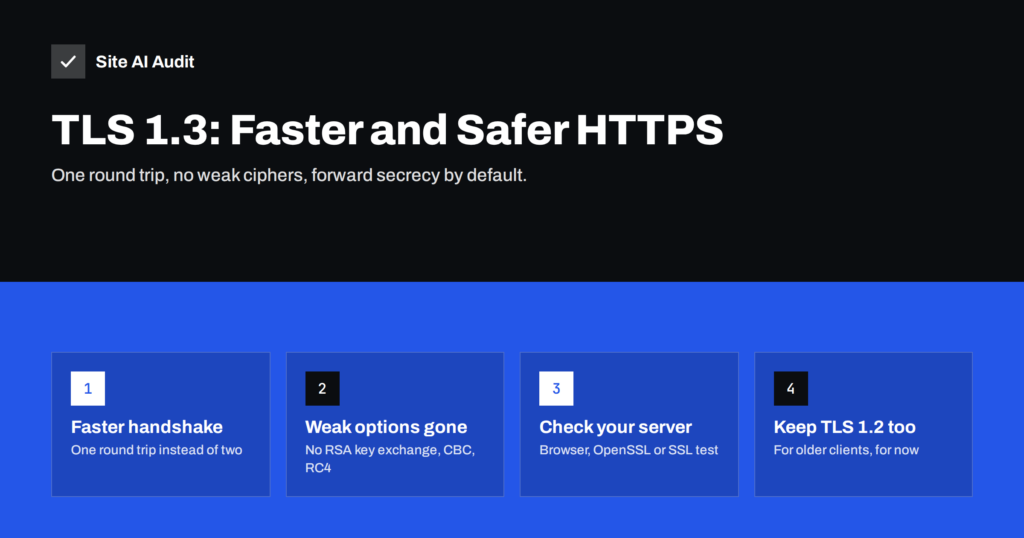
TLS 1.3 Explained: Why It Is Faster and How to Enable It
TLS 1.3 makes HTTPS connections faster and removes weak cryptography. Learn what changed, how to check your server and how to enable it safely.
 25 Σεπ 2026 · 7 λεπτά ανάγνωσης
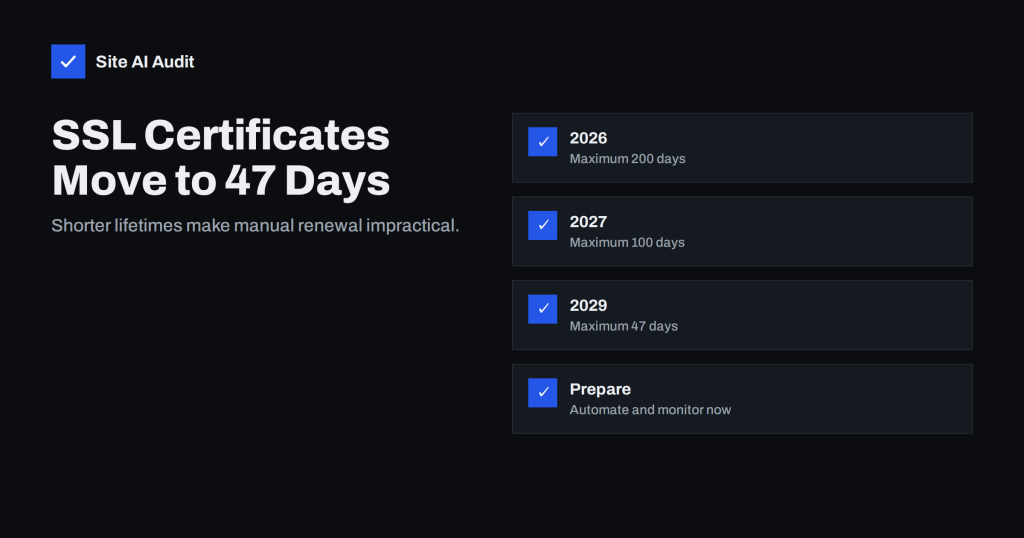
SSL Certificates Are Moving to 47 Days: What Site Owners Must Do
Maximum SSL certificate lifetimes are falling step by step to 47 days by 2029. Learn the timeline, who is affected and how to prepare…
 24 Σεπ 2026 · 8 λεπτά ανάγνωσης
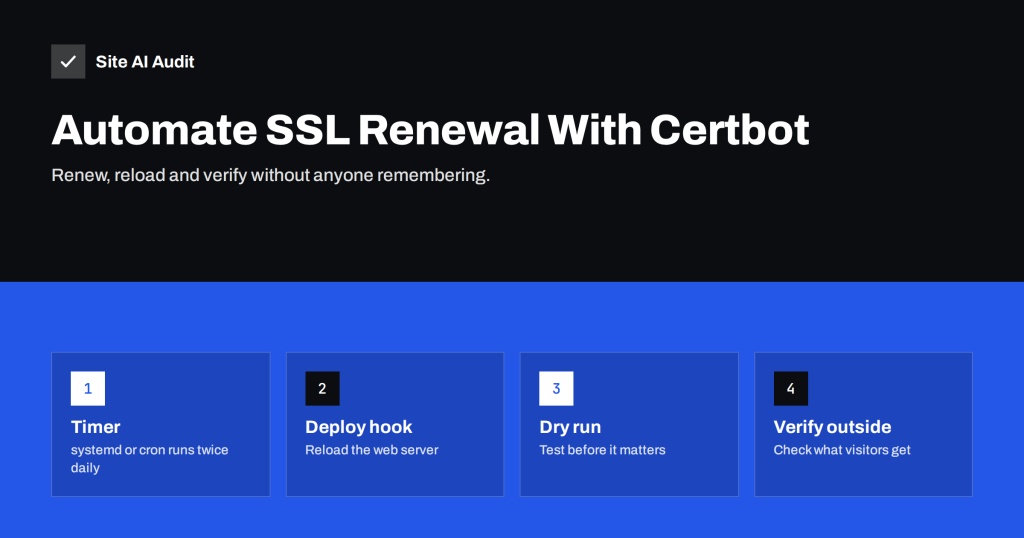
How to Automate SSL Renewal With Certbot (and Verify It Works)
Set up Certbot so Let's Encrypt certificates renew automatically: timers, reload hooks, DNS challenges behind CDNs, dry runs and checks for silent failures.
 20 Σεπ 2026 · 7 λεπτά ανάγνωσης
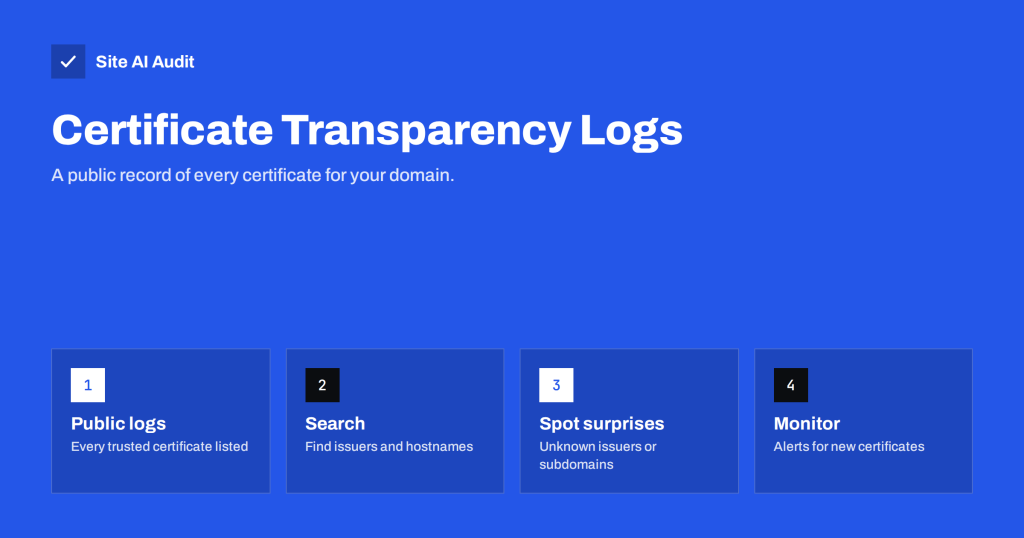
Certificate Transparency Logs: Every Certificate for Your Domain
Every public SSL certificate is recorded in certificate transparency logs. Learn how to search them, what to look for and how to monitor your…
 18 Σεπ 2026 · 8 λεπτά ανάγνωσης
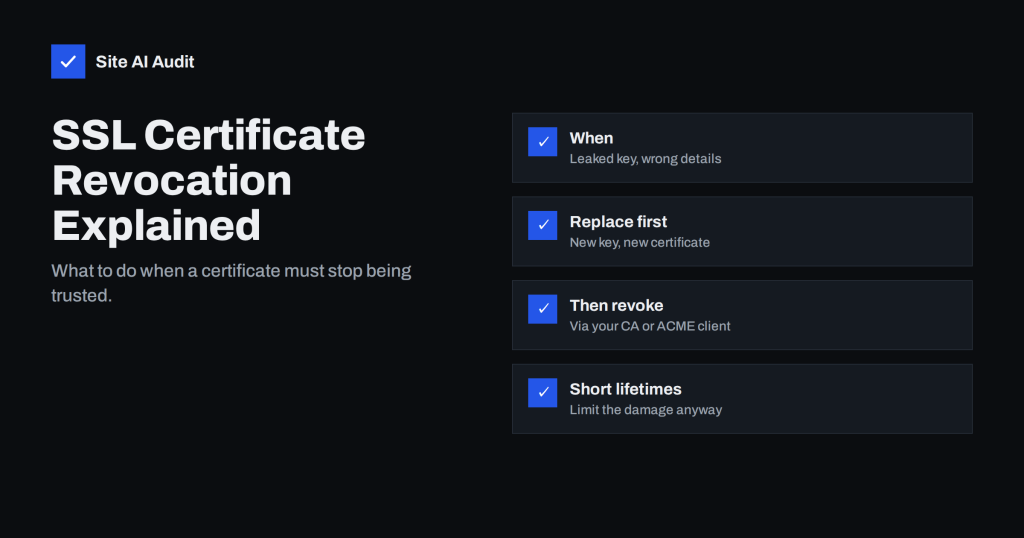
SSL Certificate Revocation: When and How to Revoke a Certificate
Revoking a certificate tells browsers to stop trusting it before it expires. Learn when revocation is needed, how CRLs and OCSP work and how…
 14 Σεπ 2026 · 8 λεπτά ανάγνωσης
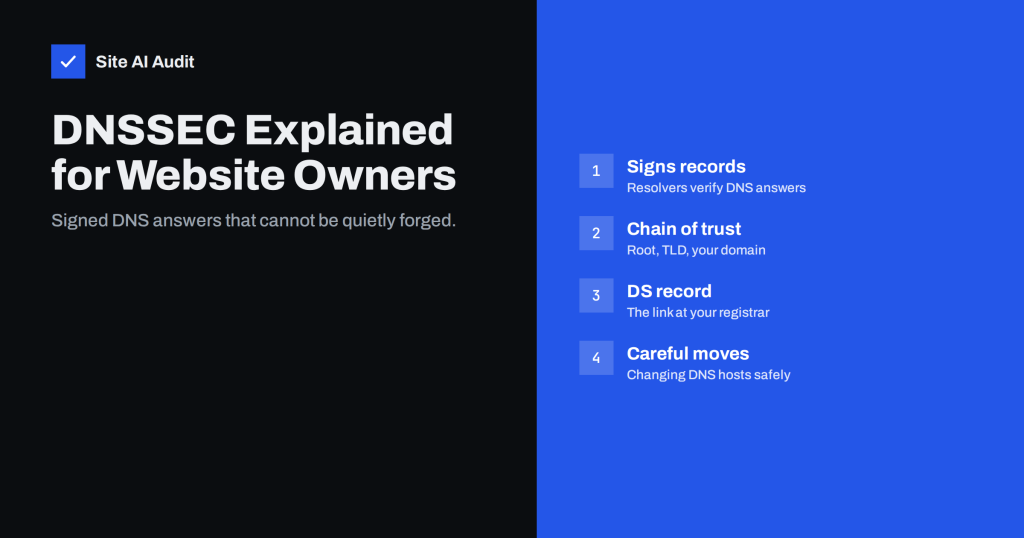
DNSSEC Explained for Website Owners: Is It Worth Enabling?
DNSSEC signs your DNS records so resolvers can detect forged answers. Learn how it works, what it protects, the risks of misconfiguration and how…
 6 Σεπ 2026 · 7 λεπτά ανάγνωσης
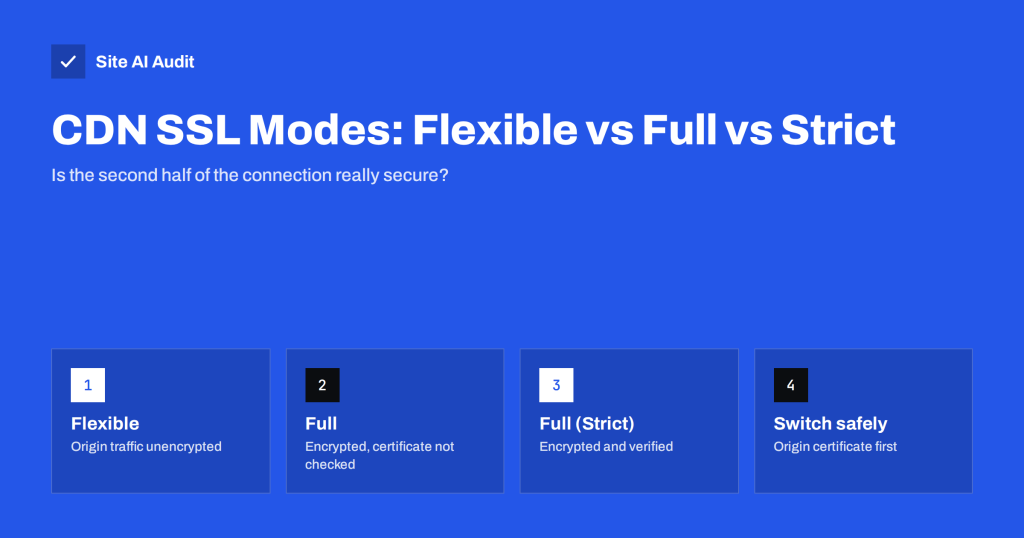
CDN SSL Modes Explained: Flexible vs Full vs Full (Strict)
Flexible, Full and Full (Strict) decide whether traffic between your CDN and server is encrypted and verified. Learn the risks and how to switch…
 4 Σεπ 2026 · 8 λεπτά ανάγνωσης
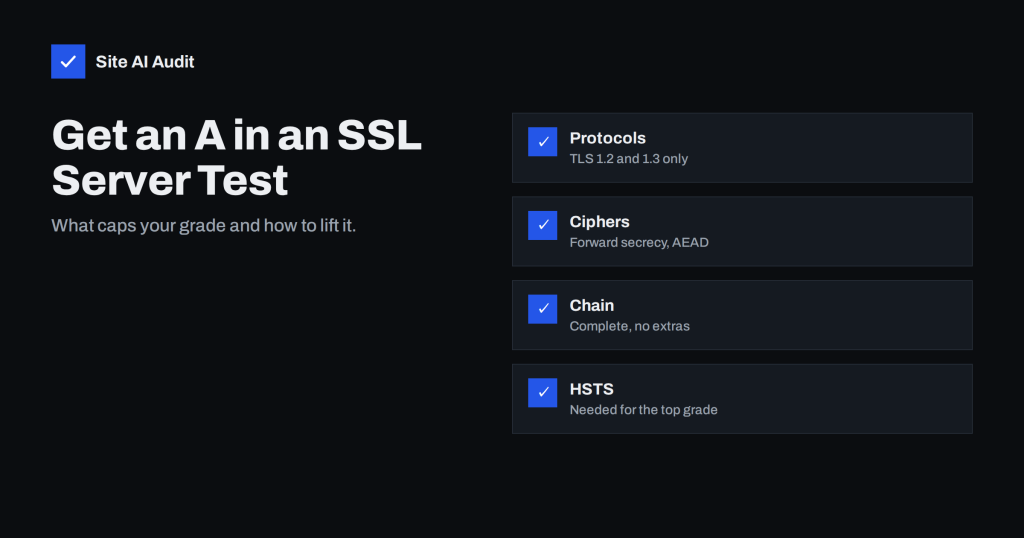
How to Get an A Grade in an SSL Server Test: A Practical Guide
A poor SSL test grade usually comes from old protocols, weak ciphers, chain issues or missing HSTS. Learn what the tests check and how…
 3 Σεπ 2026 · 8 λεπτά ανάγνωσης
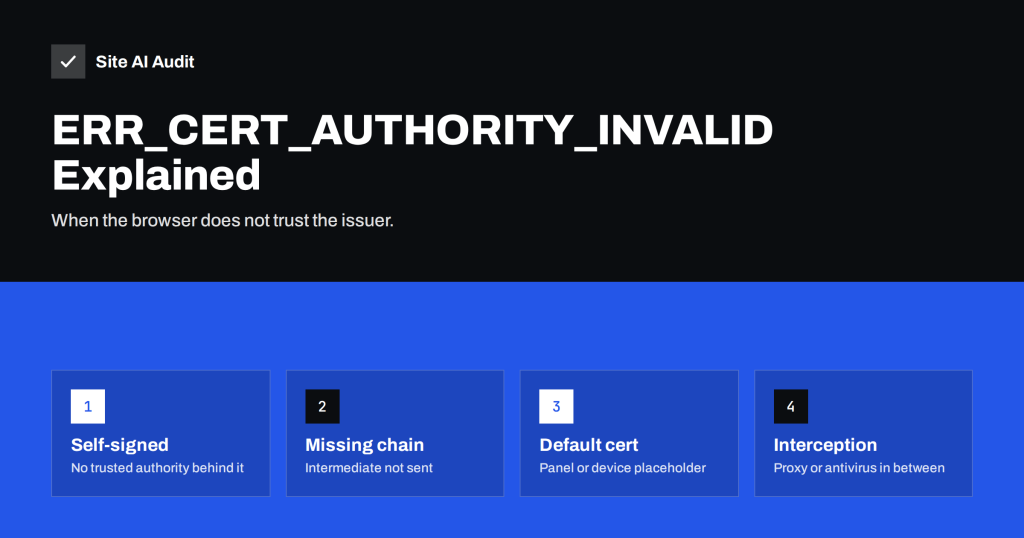
NET::ERR_CERT_AUTHORITY_INVALID: Causes and How to Fix It
ERR_CERT_AUTHORITY_INVALID means the browser does not trust who issued your certificate. Learn how self-signed certificates, chains and proxies cause it.