 ENEnglish
 LTLietuviškai
 DEDeutsch
 FRFrançais
 RUРусский
 ESEspañol
 PLPolski
 ITItaliano
 UKУкраїнська
 CSČeština
 PTPortuguês
 JA日本語
JA日本語 LVLatviešu valoda
 ETEesti
 HUMagyar
 IDBahasa Indonesia
 TRTürkçe
 HIहिन्दी
 ELΕλληνικά
 ARالعربية
 THไทย
THไทย VITiếng Việt
 RORomână
 MSBahasa Melayu
 BNবাংলা
Ασφάλεια και SSL
The security basics every website should have, explained without jargon. We cover SSL certificates and their expiry, HTTPS redirects, security headers and software versions that should not be visible. Articles show what visitors see when something is wrong and how browsers warn them away. Each guide gives clear steps you can hand to your host or developer. We also explain how monitoring catches an expiring certificate before customers notice. A safe site protects both your visitors and your search rankings.
 3 Οκτ 2026 · 8 λεπτά ανάγνωσης
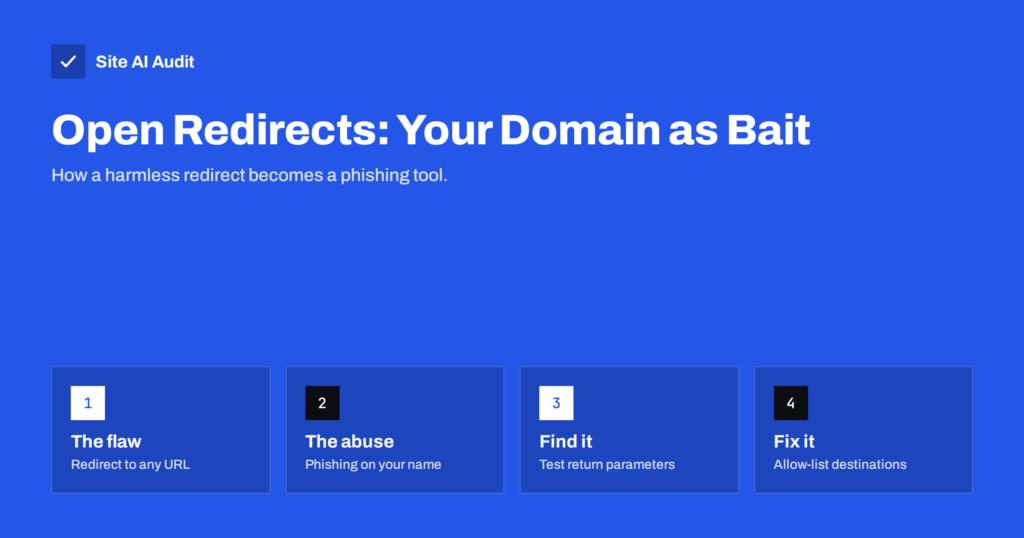
Open Redirects: How Attackers Abuse Your Website’s Links
An open redirect lets attackers send visitors from your trusted domain to phishing pages. Learn how to find open redirects and fix them in…
 1 Οκτ 2026 · 8 λεπτά ανάγνωσης
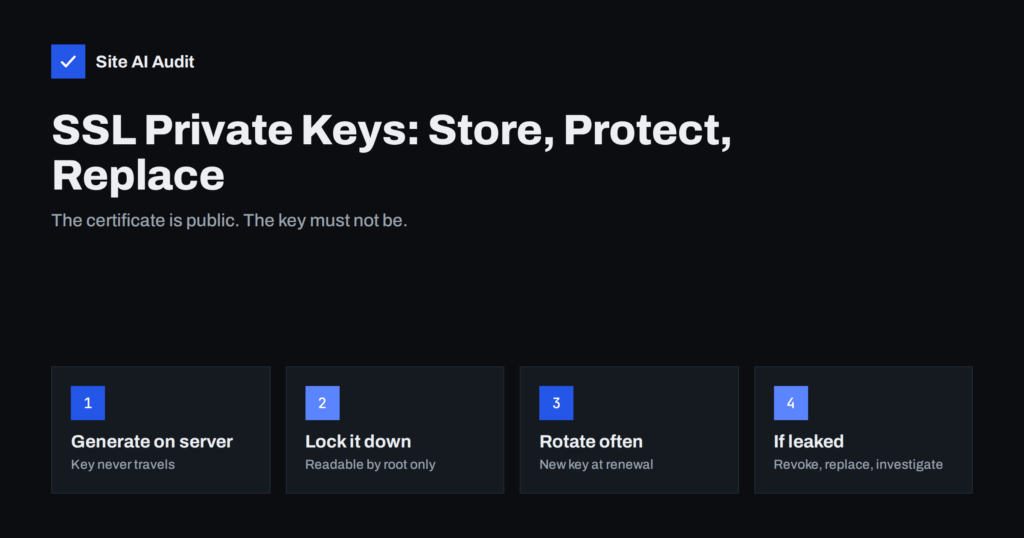
SSL Private Keys: How to Store, Protect and Replace Them
Your SSL certificate is only as safe as its private key. Learn where keys should live, who may access them, and what to do…
 1 Οκτ 2026 · 7 λεπτά ανάγνωσης
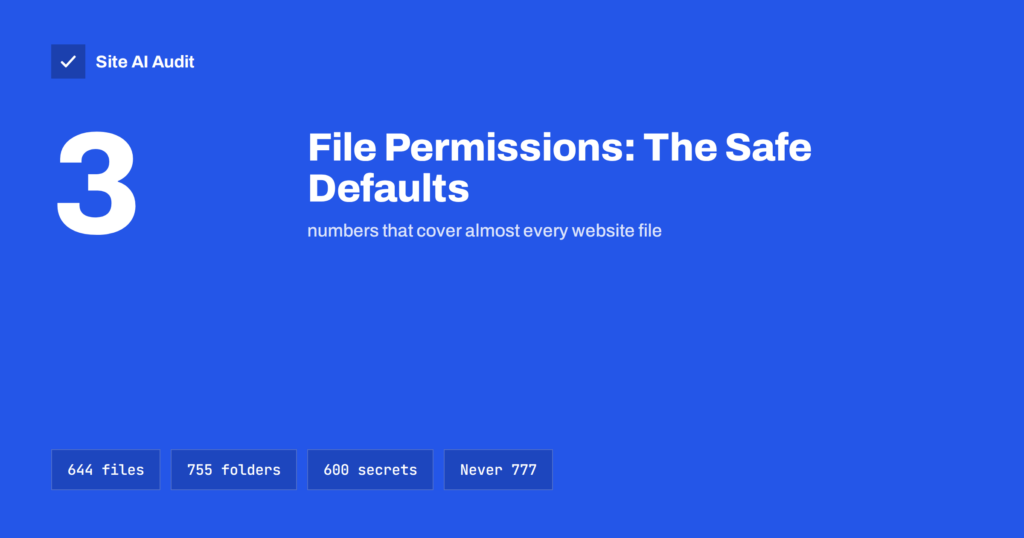
File Permissions on a Web Server: Safe Settings Explained
Wrong file permissions let attackers change your site, while 777 hides deeper problems. Learn what 644, 755 and 600 mean and how to set…
 1 Οκτ 2026 · 8 λεπτά ανάγνωσης
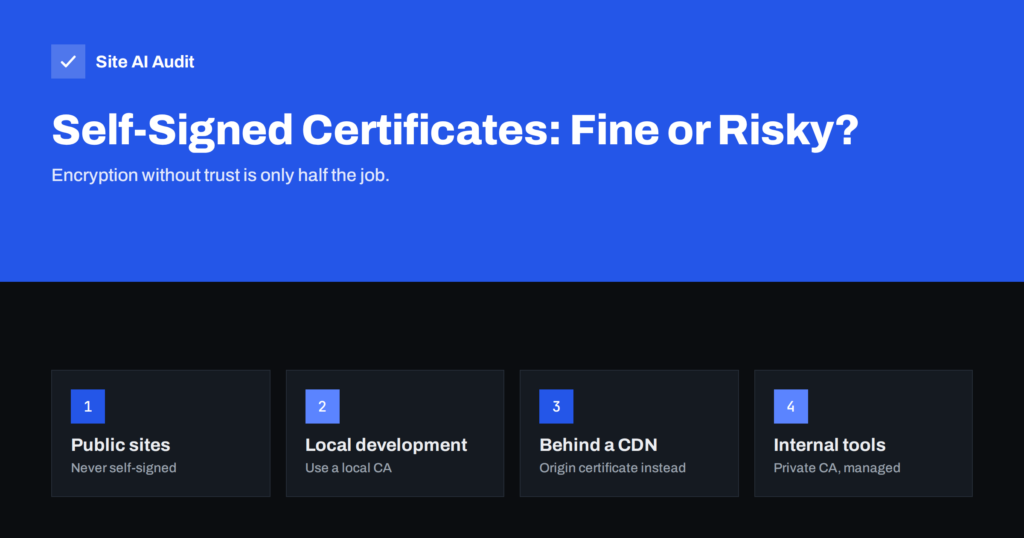
Self-Signed SSL Certificates: When Are They Acceptable?
Self-signed certificates encrypt traffic but browsers do not trust them. Learn where they are acceptable, where they are risky, and the better free options.
 1 Οκτ 2026 · 8 λεπτά ανάγνωσης
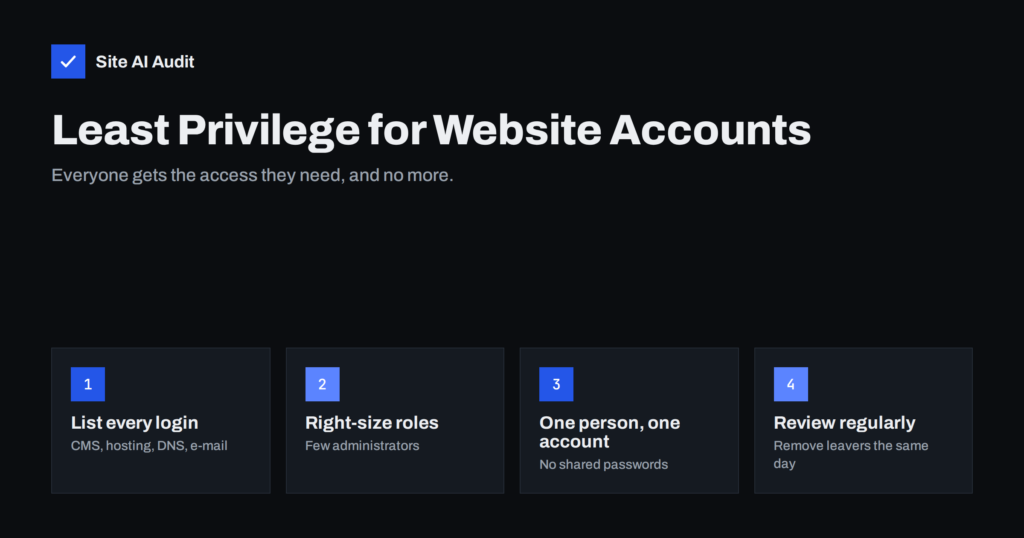
Website User Accounts: Least Privilege for Admins and Staff
Too many admin accounts make a website easy to break into. Learn how to set user roles by least privilege, remove old accounts and…
 1 Οκτ 2026 · 8 λεπτά ανάγνωσης
CORS Explained: The Misconfigurations That Expose Your Data
CORS decides which other websites may read your responses. Learn how it works, the common misconfigurations that leak data, and how to set it…
 30 Σεπ 2026 · 8 λεπτά ανάγνωσης
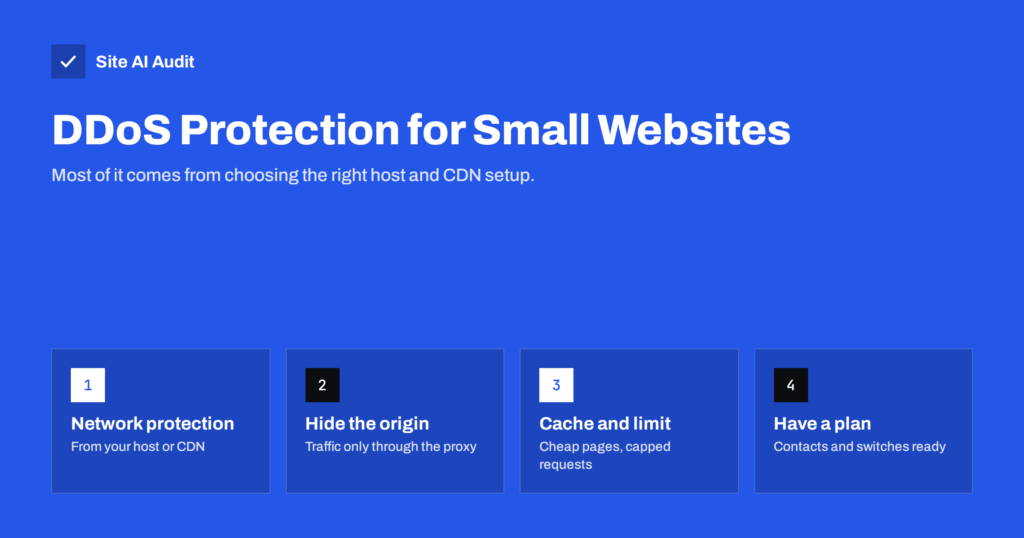
DDoS Protection for Small Websites: What You Actually Need
DDoS attacks can take any website offline, but small sites rarely need expensive tools. Learn what DDoS is, which protection matters and how to…
 30 Σεπ 2026 · 8 λεπτά ανάγνωσης
Contact Form Spam: How to Stop Bots Without Losing Leads
Contact form spam wastes time, hides real leads and can harm your email reputation. Learn which layers stop bots without annoying the people who…
 30 Σεπ 2026 · 8 λεπτά ανάγνωσης
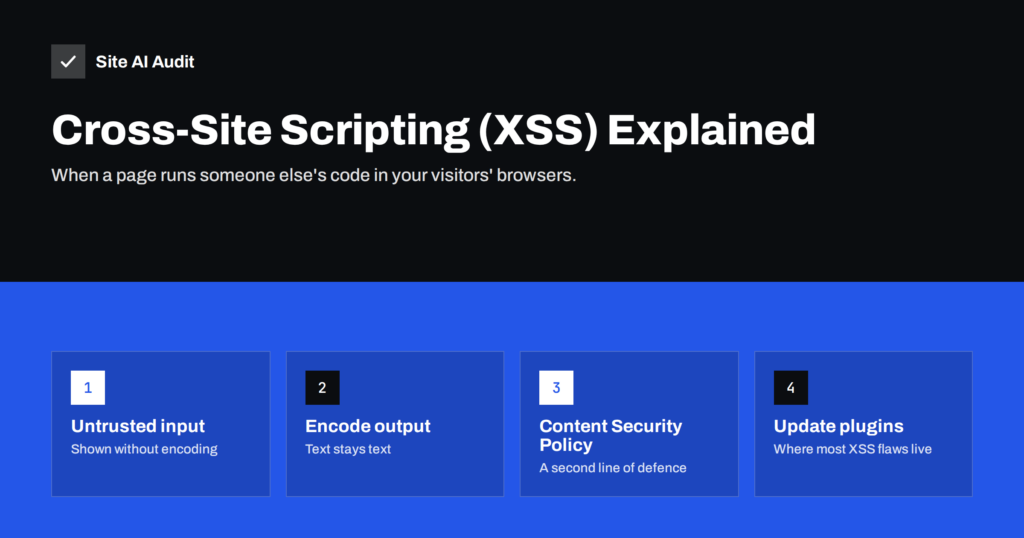
Cross-Site Scripting (XSS) Explained for Website Owners
Cross-site scripting lets attackers run their own JavaScript on your pages. Learn the main XSS types, what they can do and how to protect…
 30 Σεπ 2026 · 8 λεπτά ανάγνωσης
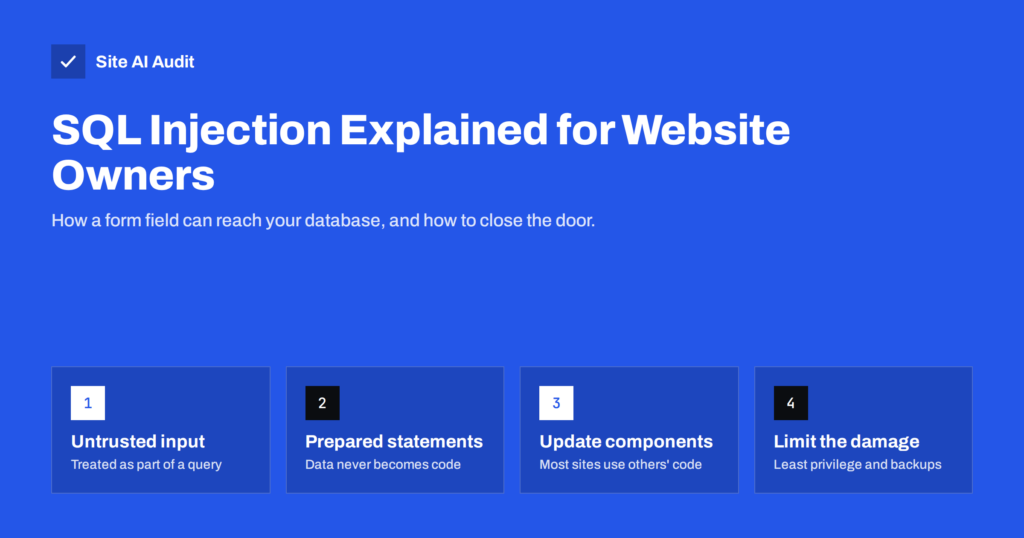
SQL Injection Explained: How Sites Get Breached and Protected
SQL injection lets attackers read or change your website's database through a form or URL. Learn how it works, where the risk comes from…
 30 Σεπ 2026 · 8 λεπτά ανάγνωσης
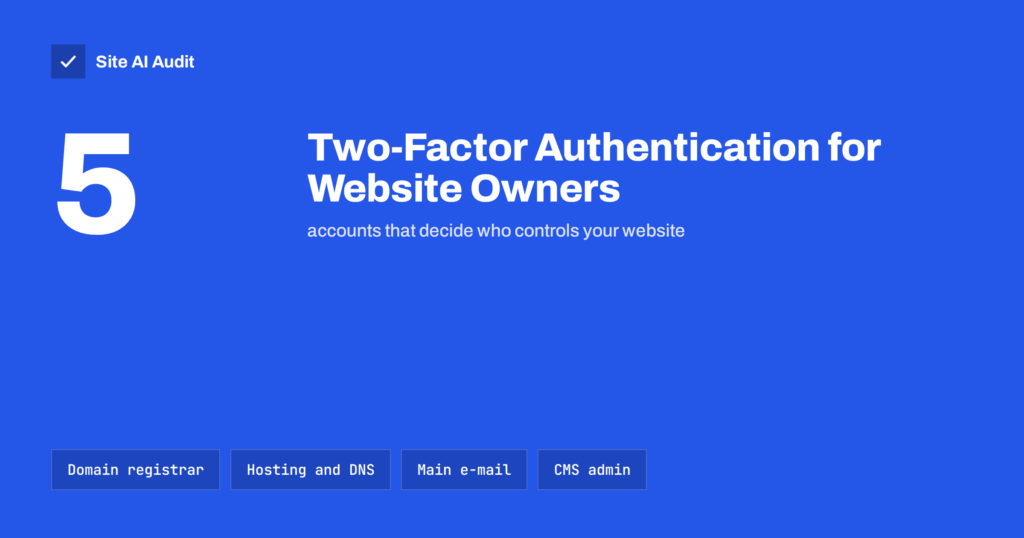
Two-Factor Authentication for Website Owners: What to Protect
Two-factor authentication stops most stolen-password takeovers. See which website accounts to protect first, which 2FA methods to use and how to avoid lockouts.
 29 Σεπ 2026 · 8 λεπτά ανάγνωσης
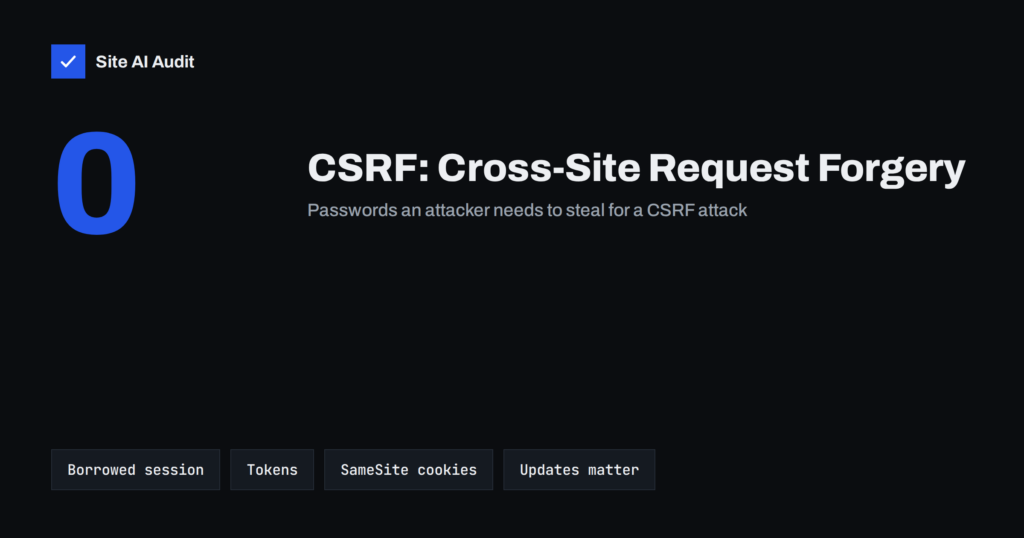
CSRF Explained: How Cross-Site Request Forgery Works
Cross-site request forgery tricks a logged-in browser into acting on your site. Learn how CSRF works, how tokens and SameSite cookies stop it and…