 ENEnglish
 LTLietuviškai
 DEDeutsch
 FRFrançais
 RUРусский
 ESEspañol
 PLPolski
 ITItaliano
 UKУкраїнська
 CSČeština
 PTPortuguês
 JA日本語
 LVLatviešu valoda
 ETEesti
 HUMagyar
 IDBahasa Indonesia
 TRTürkçe
 HIहिन्दी
 ELΕλληνικά
 ARالعربية
 THไทย
 VITiếng Việt
 RORomână
 MSBahasa Melayu
 BNবাংলা
#Hacked website
A hacked website can send visitors to scams, show spam in search results or quietly steal data. Articles tagged here explain how to recognise the signs of a compromise early. They describe the first steps to take, how to clean a site and how to close the hole that let attackers in. You will also learn how to remove browser and search engine warnings after the cleanup. The guides are written for owners who need calm, ordered instructions under pressure. Prevention advice is included so the same problem does not return.
 Oct 27, 2026 · 8 min read
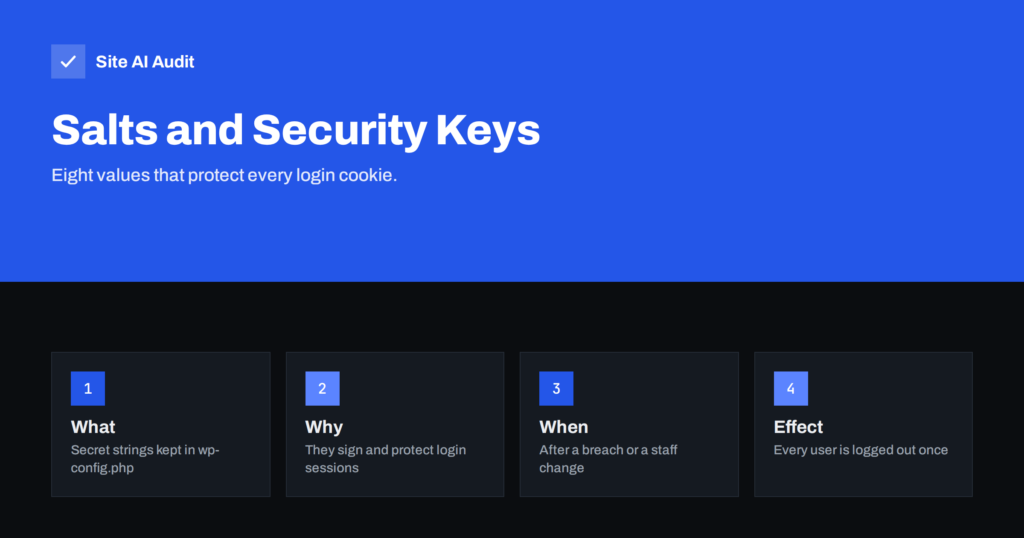
WordPress Salts and Security Keys: When to Change Them
WordPress keys and salts protect login cookies. See what the eight values do, when to replace them, what happens to logged-in users and how…
 Oct 27, 2026 · 8 min read
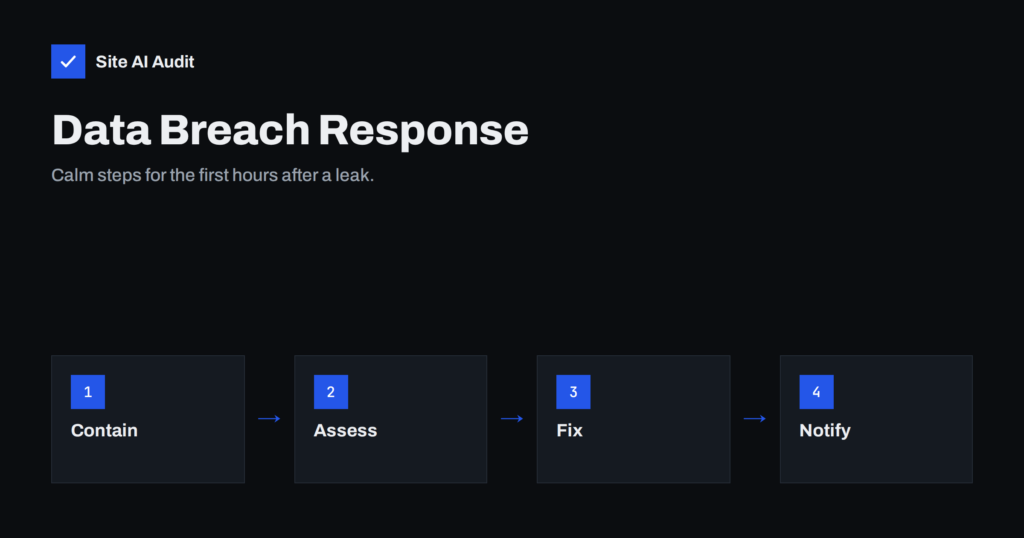
Data Breach Response: What a Small Business Should Do First
Found out customer data may have leaked? Follow a calm order of steps: contain the problem, collect facts, fix the cause and tell the…
 Oct 26, 2026 · 8 min read
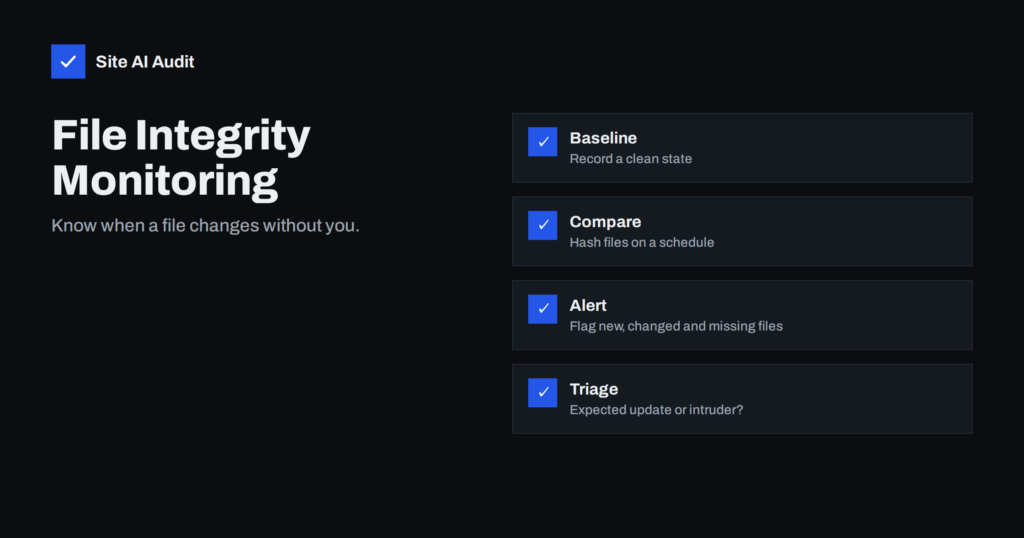
File Integrity Monitoring: Spot Changed Files on Your Website
Hackers often leave new or altered files behind. Learn how file integrity monitoring compares your files with a clean baseline and how to react…
 Oct 25, 2026 · 8 min read
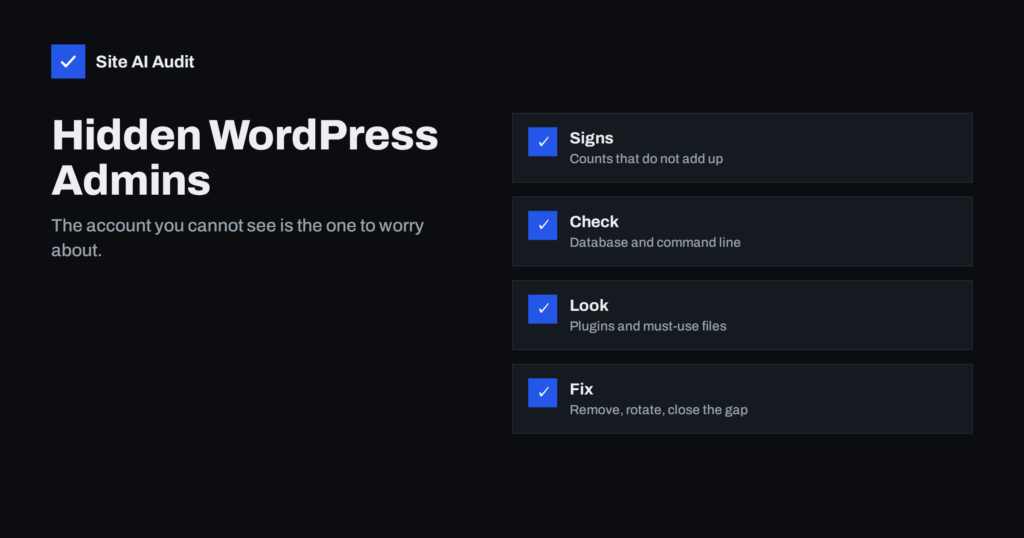
Hidden Admin Users in WordPress: How to Find Them
Attackers often add an administrator account and hide it from the Users screen. Learn the warning signs, how to find hidden admins and what…
 Oct 24, 2026 · 8 min read
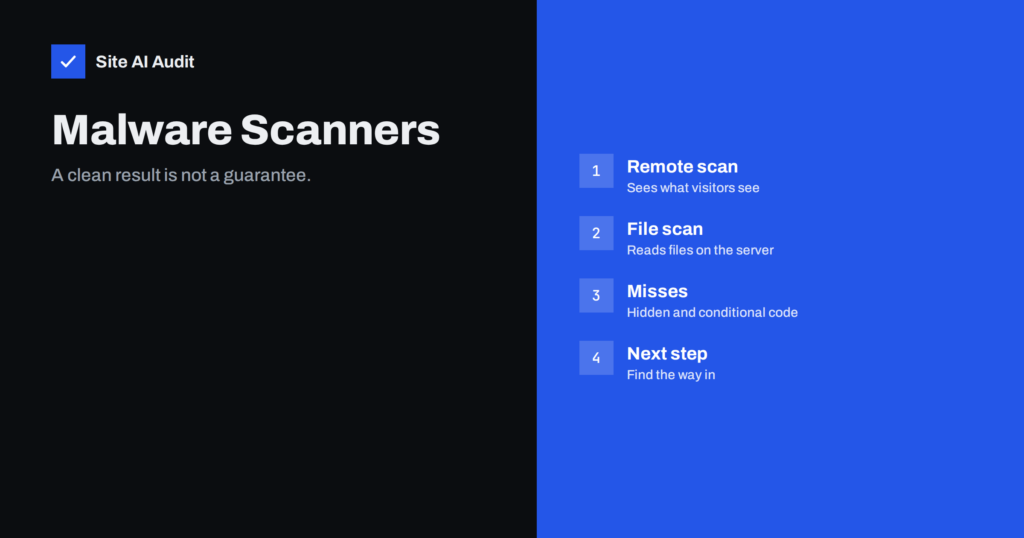
Website Malware Scanners: What They Catch and What They Miss
A clean scan does not always mean a clean website. Learn how malware scanners work, where they fail and what to do next when…
 Oct 23, 2026 · 8 min read
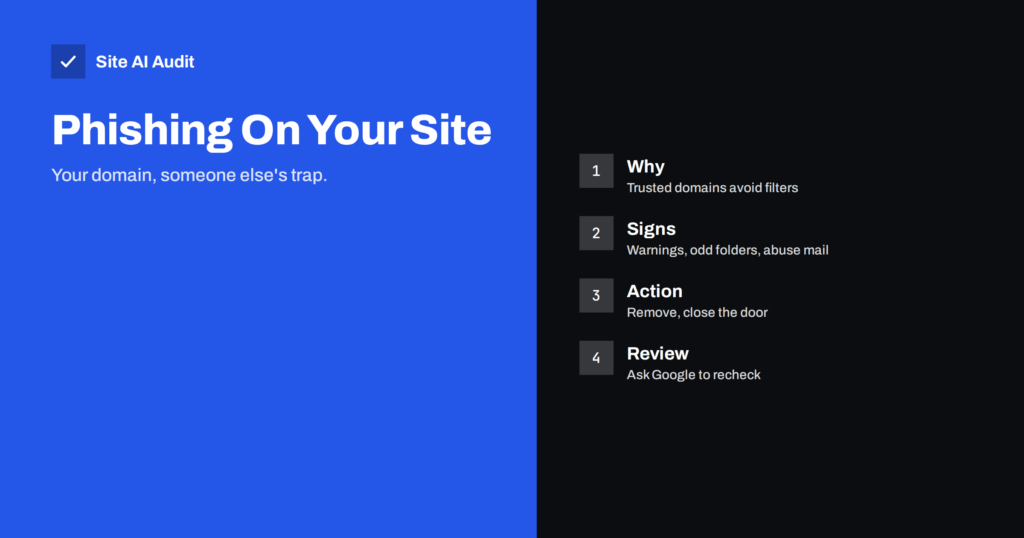
Phishing Pages Hosted on Your Website: Find and Remove Them
Attackers often hide fake login pages inside hacked sites. Learn how to spot a phishing page on your domain, remove it safely and prevent…
 Oct 22, 2026 · 8 min read
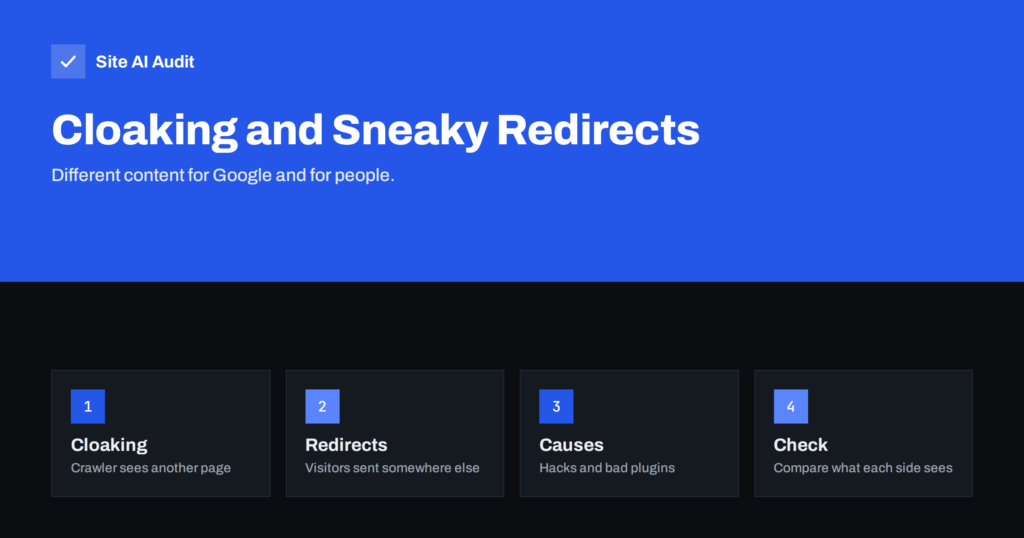
Cloaking and Sneaky Redirects: What Google Treats as Spam
Cloaking shows search engines one page and visitors another. Learn what counts as cloaking and sneaky redirects, how hacks cause them and how to…
 Oct 21, 2026 · 8 min read
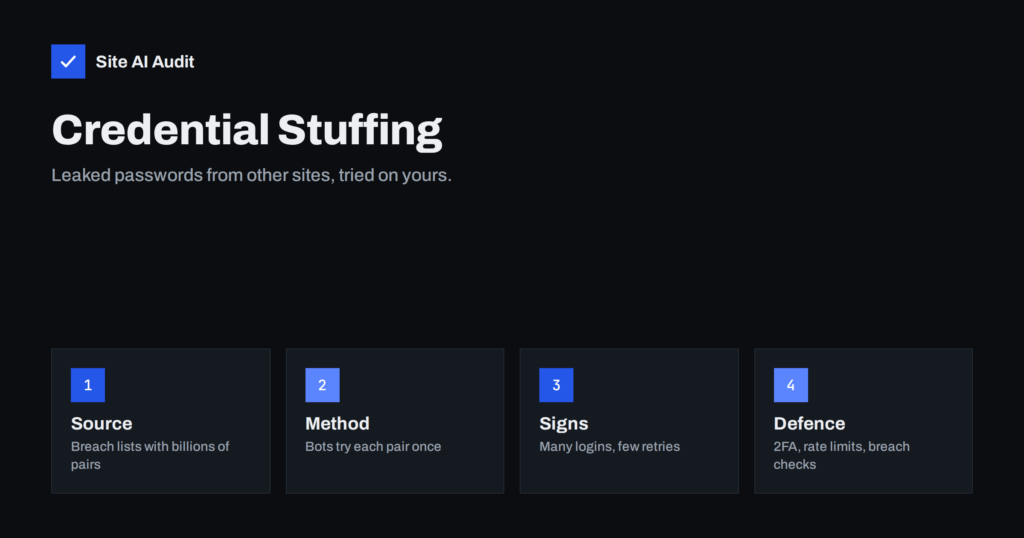
Credential Stuffing: Why Leaked Passwords Threaten Your Site
Credential stuffing uses passwords leaked elsewhere to log in to your site. Learn how it differs from brute force, how to spot it and…
 Oct 21, 2026 · 8 min read
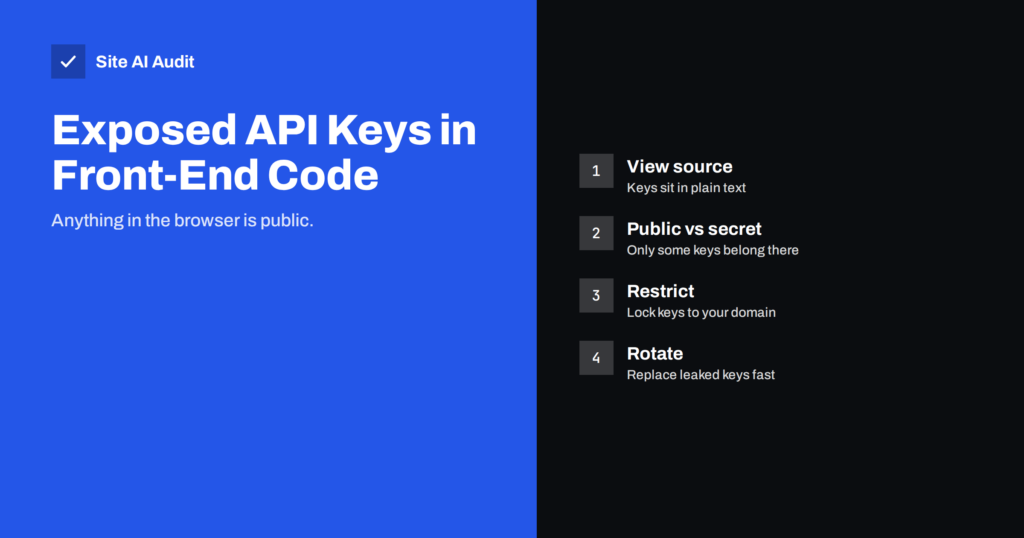
Exposed API Keys in Front-End Code: How to Find and Fix Them
Keys pasted into JavaScript, HTML or config files are visible to anyone. Learn which keys are safe to expose, how to find leaked ones…
 Oct 18, 2026 · 8 min read
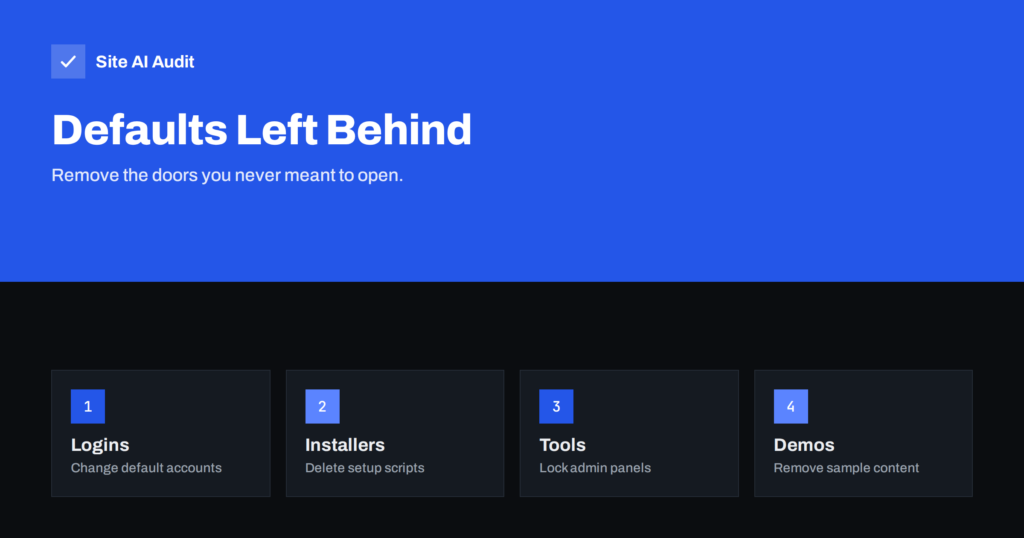
Default Passwords and Setup Pages: Close Them Before Launch
Default logins, installer scripts and demo pages are easy wins for attackers. Learn what to remove or change before launch and how to check…
 Oct 17, 2026 · 8 min read
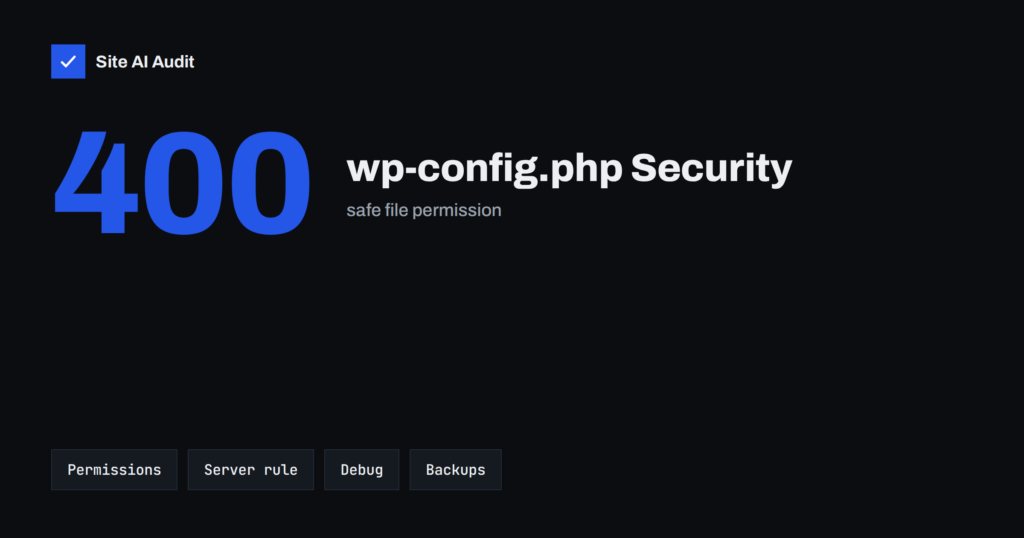
wp-config.php Security: How to Protect and Harden It
wp-config.php holds your database login and security keys, so it is a prime target. Learn the permissions, server rules and settings that protect it.
 Oct 17, 2026 · 8 min read
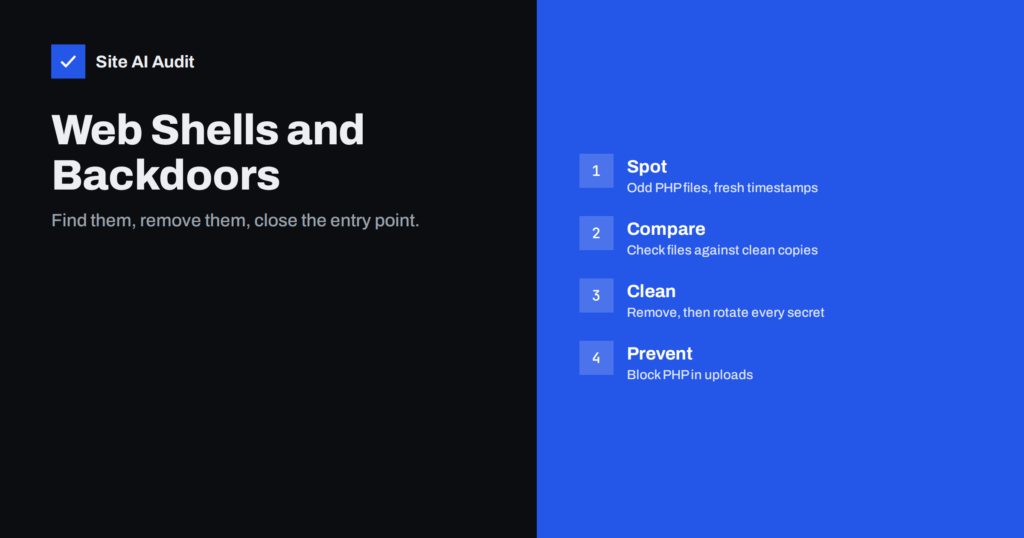
Web Shells and Backdoors: How to Find and Remove Them
A web shell gives an attacker remote control of your server and often survives a cleanup. Learn how to spot one, remove it properly…