 ENEnglish
 LTLietuviškai
 DEDeutsch
 FRFrançais
 RUРусский
 ESEspañol
 PLPolski
 ITItaliano
 UKУкраїнська
 CSČeština
 PTPortuguês
 JA日本語
JA日本語 LVLatviešu valoda
 ETEesti
 HUMagyar
 IDBahasa Indonesia
 TRTürkçe
 HIहिन्दी
 ELΕλληνικά
 ARالعربية
 THไทย
THไทย VITiếng Việt
 RORomână
 MSBahasa Melayu
 BNবাংলা
#Core Web Vitals
Google’s Core Web Vitals — LCP, CLS and INP — explained for website owners. Articles tagged here show what each metric measures and what a good value looks like. You will learn which elements of a page usually cause poor results. Every guide gives fixes ranked by the time they save. We also explain the difference between lab data and real-user data. Use these articles when your speed score drops.
 Oct 2, 2026 · 9 min read
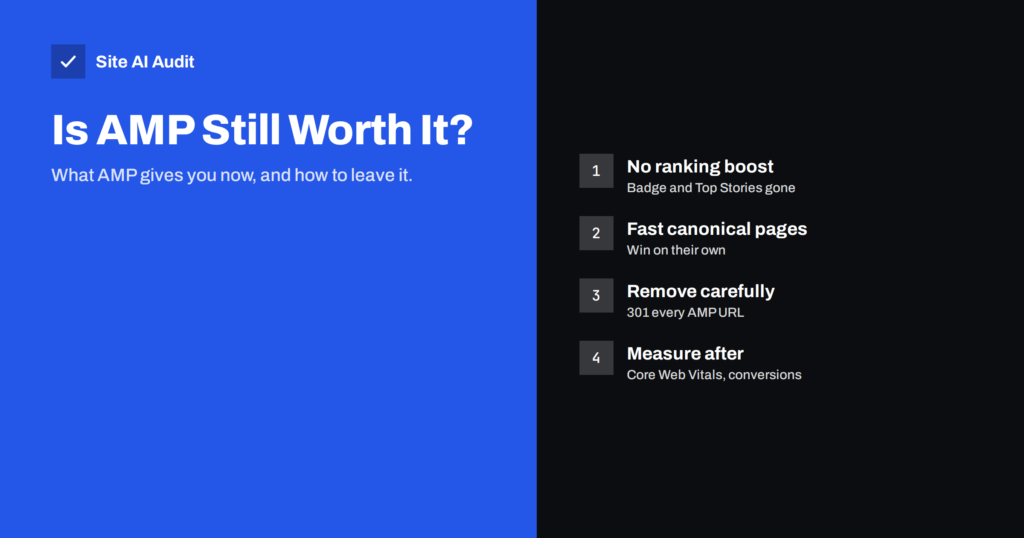
Is AMP Still Worth It? Accelerated Mobile Pages Today
AMP no longer earns a search badge or Top Stories access. Learn when keeping Accelerated Mobile Pages still makes sense and how to remove…
 Oct 1, 2026 · 8 min read
Image CDNs Explained: Automatic Resizing and Modern Formats
An image CDN resizes, compresses and converts images on the fly for each device. Learn how it works, what it costs, and when it…
 Oct 1, 2026 · 8 min read
Fetchpriority Explained: Tell the Browser What Matters First
The fetchpriority attribute lets you tell browsers which image or script matters most. Learn when to use high and low, with examples and mistakes…
 Oct 1, 2026 · 8 min read
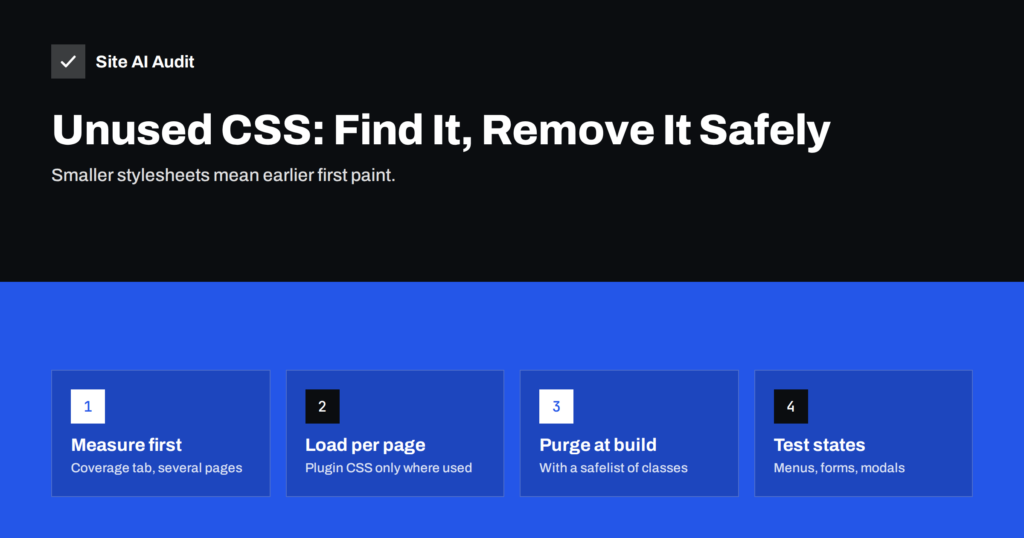
Unused CSS: How to Find and Remove It Without Breaking Pages
PageSpeed says "Reduce unused CSS"? Learn where unused CSS comes from, how to measure it with Coverage, and how to remove it safely without…
 Oct 1, 2026 · 9 min read
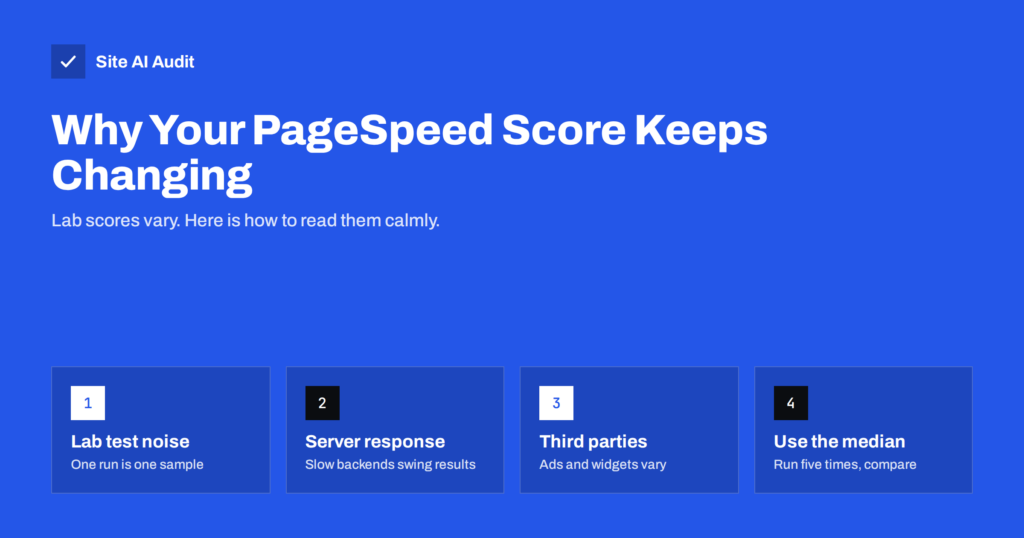
Why Your PageSpeed Score Changes Every Time You Test
Your PageSpeed score jumps between tests even when nothing changed. Here is why lab scores vary, what is normal, and how to measure speed…
 Sep 30, 2026 · 8 min read
Speculation Rules: Prerender Pages for Near-Instant Clicks
The Speculation Rules API lets browsers prefetch or prerender the next page before a click. Learn how it works, when to use it and…
 Sep 30, 2026 · 8 min read
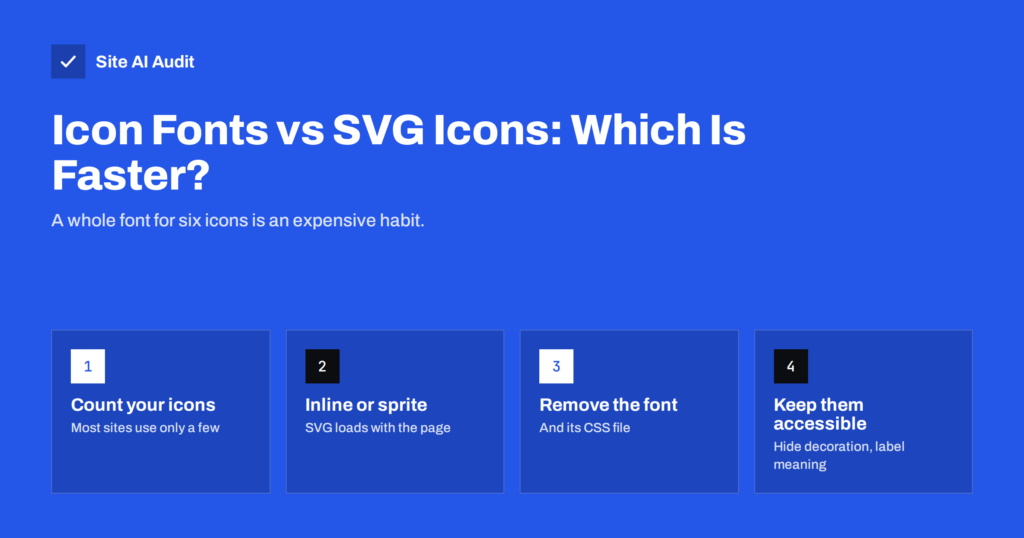
Icon Fonts vs SVG Icons: Which Is Better for Page Speed?
Icon fonts load a whole font for a few icons and can flash or shift on load. See why SVG icons are usually faster…
 Sep 30, 2026 · 7 min read
Performance Budgets: How to Keep a Fast Website Fast
A performance budget sets limits for page weight, scripts and load times so a fast website stays fast. Learn how to set one, track…
 Sep 30, 2026 · 8 min read
Embedding Google Maps Without Slowing Down Your Pages
A Google Maps embed can add heavy scripts to every page it appears on. Learn how to lazy-load maps, use a static preview and…
 Sep 29, 2026 · 8 min read
Web Animations and Speed: Smooth Motion Without Jank
Animations can hurt LCP, CLS and INP or make pages stutter. Learn which properties are cheap to animate and how to add motion without…
 Sep 29, 2026 · 8 min read
Chrome UX Report (CrUX): Where Real Speed Data Comes From
CrUX is the real-user speed data behind PageSpeed Insights and Search Console. Learn how it is collected, why it lags and how to read…
 Sep 29, 2026 · 9 min read
Cookie Consent Banners and Page Speed: How to Keep Both
Cookie consent banners can hurt LCP, CLS and INP. Learn how banners slow pages, how to measure the damage and how to load consent…