 ENEnglish
 LTLietuviškai
 DEDeutsch
 FRFrançais
 RUРусский
 ESEspañol
 PLPolski
 ITItaliano
 UKУкраїнська
 CSČeština
 PTPortuguês
 JA日本語
 LVLatviešu valoda
 ETEesti
 HUMagyar
 IDBahasa Indonesia
 TRTürkçe
 HIहिन्दी
 ELΕλληνικά
 ARالعربية
 THไทย
 VITiếng Việt
 RORomână
 MSBahasa Melayu
 BNবাংলা
#Page speed
Page speed is how quickly a web page loads and becomes usable for a real visitor. Articles tagged here explain what slows pages down and how to measure it properly. They cover server response, images, scripts, fonts and caching in plain words. Each guide shows how to find the biggest delay first instead of guessing. The advice works for WordPress, online shops and custom-built websites alike. Read these guides when your site feels slow or your speed score drops.
 22 nov. 2026 · 8 min de citit
Speed “Not Measured” in a Site AI Audit Report: Why It Happens
Why does the Speed area of a Site AI Audit report sometimes say not measured? See what Google data is missing, what still gets…
 18 nov. 2026 · 8 min de citit
Slow Pages Finding: Which Pages Took Over Two Seconds
Site AI Audit lists pages that took over two seconds to load during the crawl. Learn what the finding means, what slows individual pages…
 16 nov. 2026 · 7 min de citit
Layout Shift Finding (CLS): Stop Your Page Jumping While It Loads
Does Site AI Audit report layout shifts or a layout that jumps while loading? Learn what the CLS finding measures, its limits and the…
 15 nov. 2026 · 8 min de citit
Slow Server and HTTP/1.1 Findings: What to Ask Your Host
Does your Site AI Audit say the server responds slowly or uses HTTP/1.1? Learn what each finding means and exactly what to ask your…
 14 nov. 2026 · 8 min de citit
Compression and Page Weight Findings: Shrink a Heavy Page
Your Site AI Audit report says text files are sent without compression or the home page is too heavy? Here is what triggers each…
 13 nov. 2026 · 8 min de citit
Mobile Speed Findings in Site AI Audit: LCP, CLS and INP
See how the speed part of a Site AI Audit report works: the mobile score, LCP, CLS and INP findings, what triggers each one…
 12 nov. 2026 · 8 min de citit
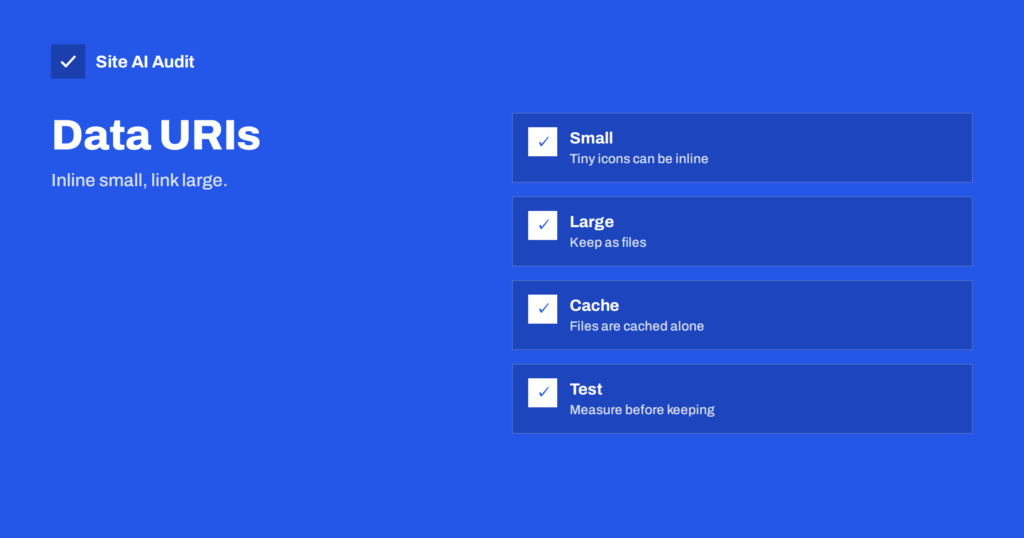
Inline Images and Data URIs: When Embedding Helps Speed
Data URIs embed small images directly in HTML or CSS and save requests, but they bloat files and skip caching. Learn when inlining helps…
 12 nov. 2026 · 7 min de citit
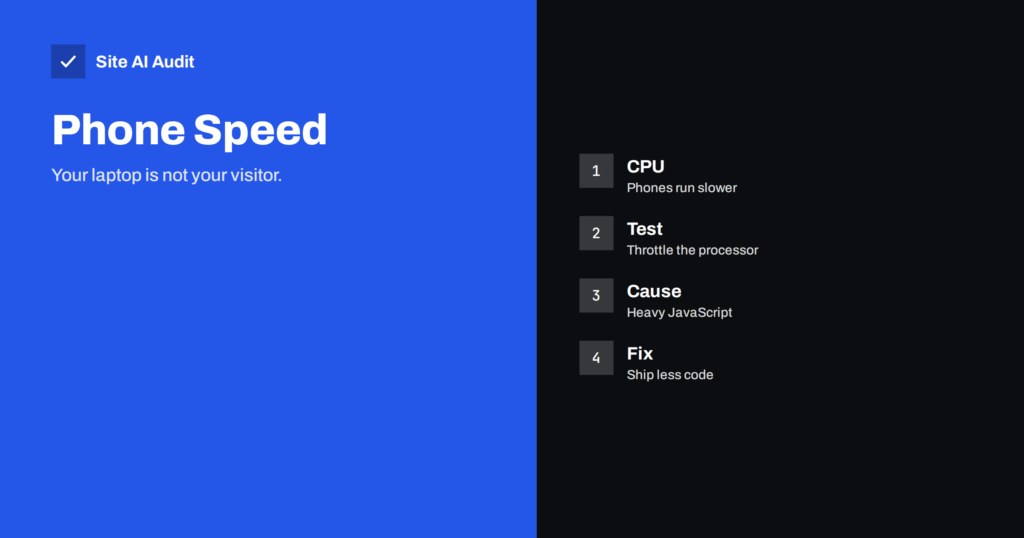
Mobile CPUs and Website Speed: Why Phones Struggle
A page that feels instant on your laptop can crawl on a mid-range phone. Learn why mobile processors slow JavaScript, how to test with…
 11 nov. 2026 · 7 min de citit
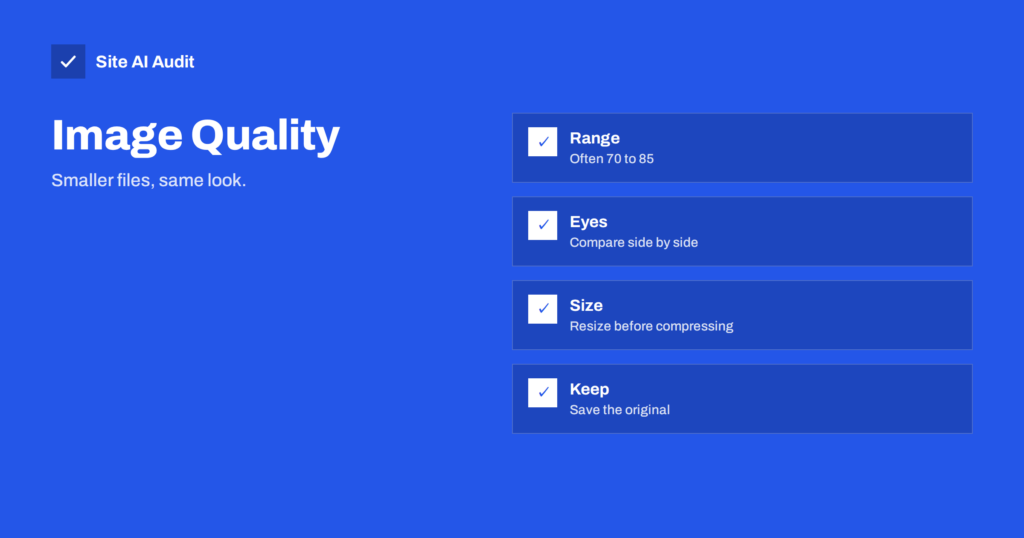
JPEG and WebP Quality Settings: How Low Can You Go?
Photos are the heaviest part of most pages. Learn which JPEG and WebP quality values work, how to compare results by eye and how…
 11 nov. 2026 · 7 min de citit
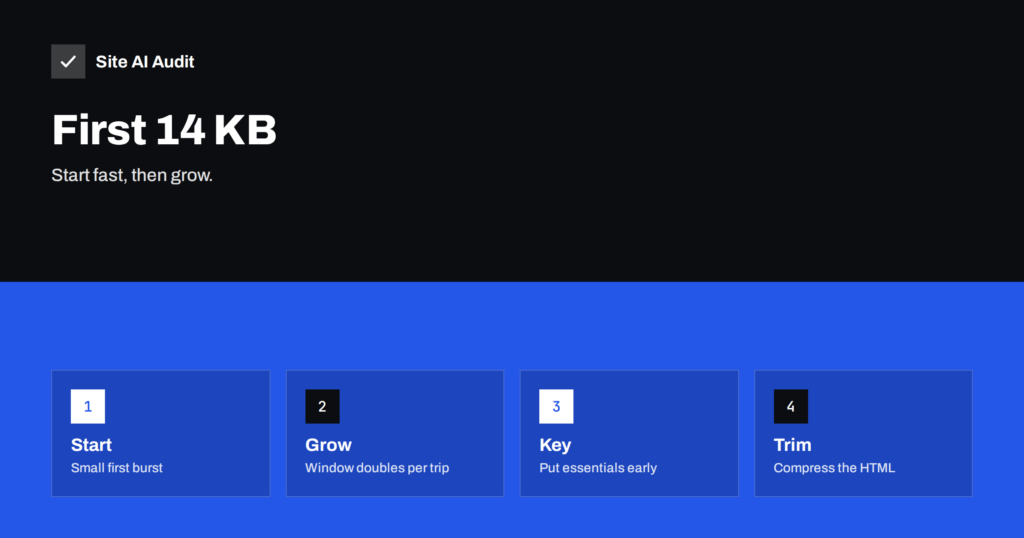
TCP Slow Start: Why the First 14 KB of Your Page Matter
A new connection cannot send data at full speed at once. Learn how TCP slow start works, why the first 14 KB of HTML…
 10 nov. 2026 · 8 min de citit
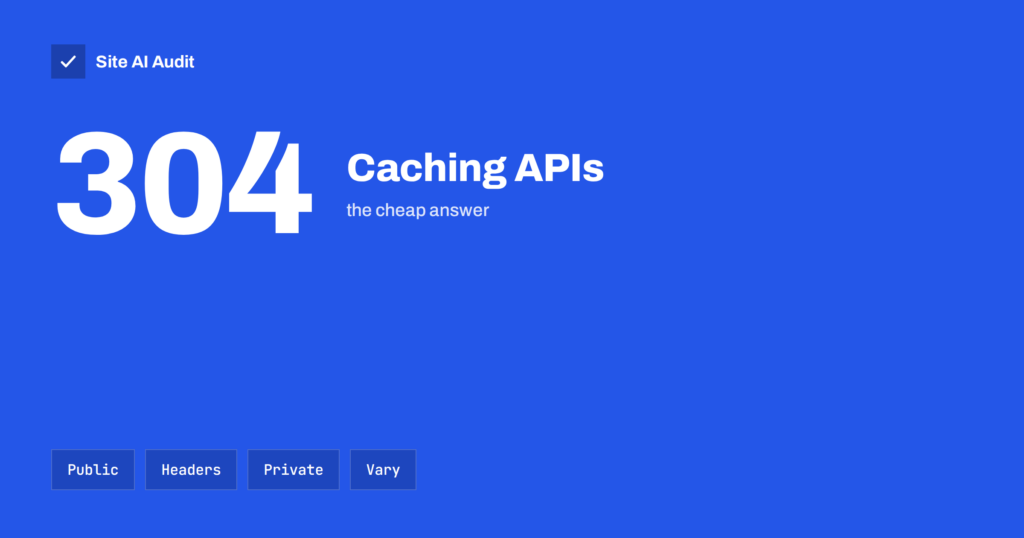
Caching API and JSON Responses: Headers That Speed Up Apps
Public API and JSON responses can be cached like pages. Learn which headers to send, how to cache safely and how to avoid showing…
 10 nov. 2026 · 8 min de citit
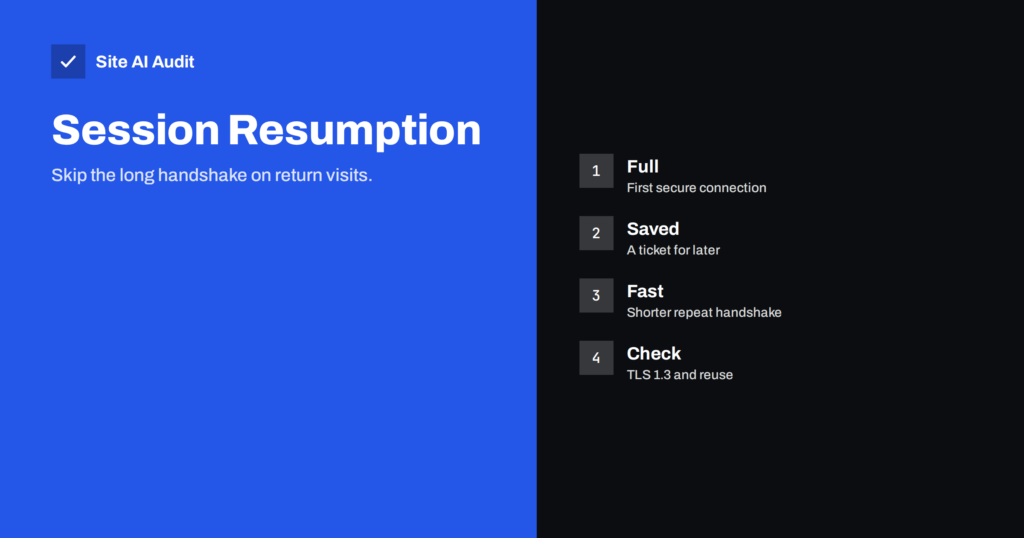
TLS Session Resumption: Faster HTTPS Connections
Every new HTTPS connection starts with a handshake that costs time. Learn how session resumption, TLS 1.3 and connection reuse make repeat visits faster.