 ENEnglish
 LTLietuviškai
 DEDeutsch
 FRFrançais
 RUРусский
 ESEspañol
 PLPolski
 ITItaliano
 UKУкраїнська
 CSČeština
 PTPortuguês
 JA日本語
JA日本語 LVLatviešu valoda
 ETEesti
 HUMagyar
 IDBahasa Indonesia
 TRTürkçe
 HIहिन्दी
 ELΕλληνικά
 ARالعربية
 THไทย
THไทย VITiếng Việt
 RORomână
 MSBahasa Melayu
 BNবাংলা
#Email Security
Email security protects a domain and its users from spoofing, phishing, interception and account abuse. Domain-level controls such as DMARC stop criminals from sending mail that looks like it comes from you, while standards such as MTA-STS protect mail in transit. Many attacks on small businesses start with a fake invoice or a message that imitates a colleague. Good security settings also improve deliverability, because they make legitimate mail easier to trust. The articles under this tag explain practical protections that any organisation can set up.
 1 oct. 2026 · 7 min de citit
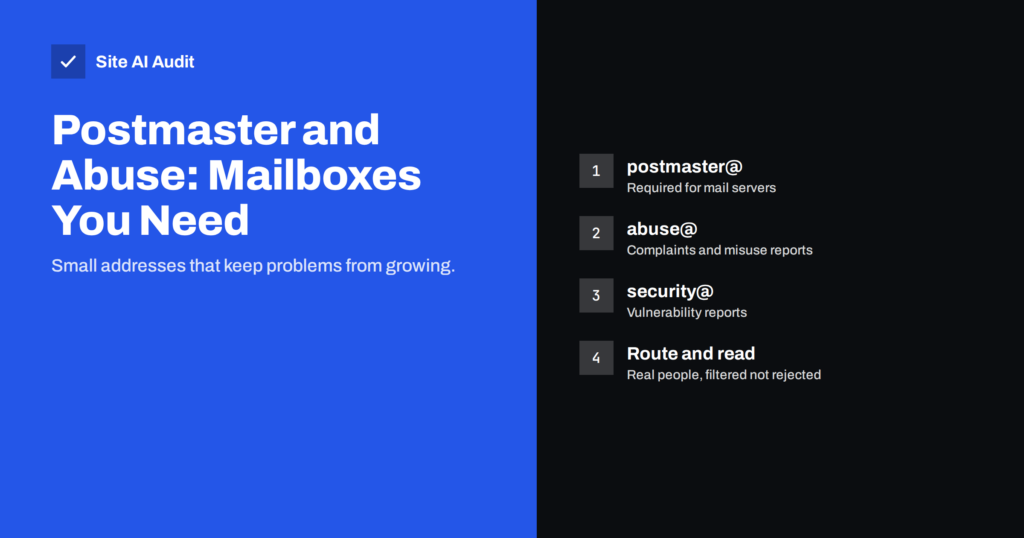
Postmaster and Abuse Mailboxes: Why Every Domain Needs Them
Postmaster, abuse and other role addresses let mail servers and people report problems with your domain. Learn which ones you need and how to…
 1 oct. 2026 · 7 min de citit
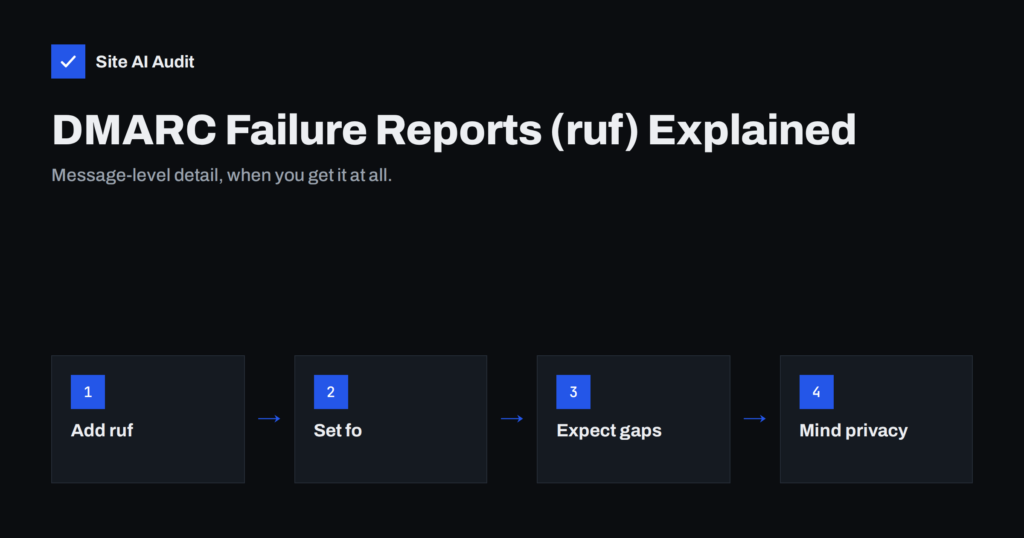
DMARC Failure Reports (ruf): What They Show and Their Limits
DMARC failure reports send details of individual messages that fail checks. Learn what ruf and fo do, why few providers send them, and privacy…
 1 oct. 2026 · 7 min de citit
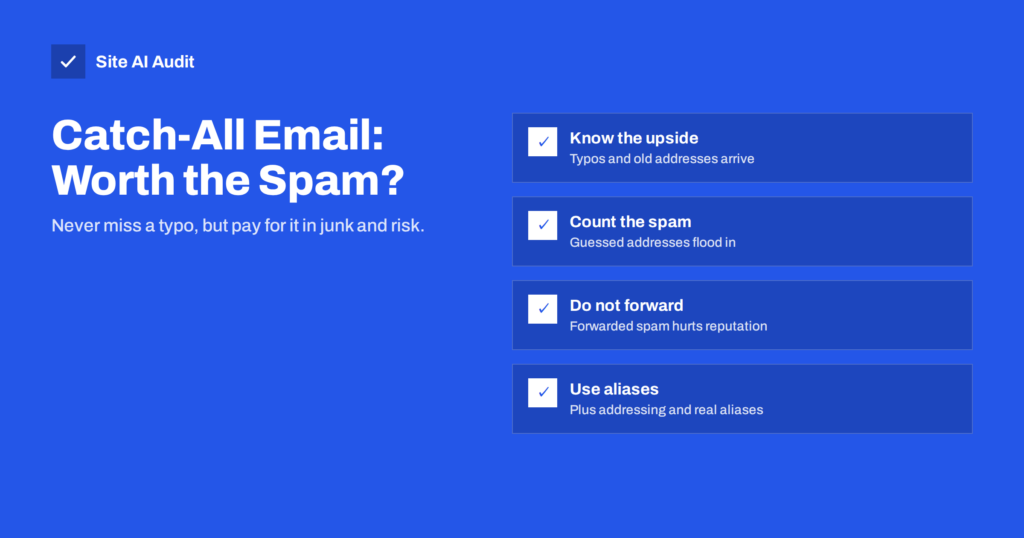
Catch-All Email Addresses: Pros, Cons and the Spam Problem
A catch-all mailbox accepts mail sent to any address at your domain. See the benefits, the spam and security costs, and the safer alternatives…
 1 oct. 2026 · 8 min de citit
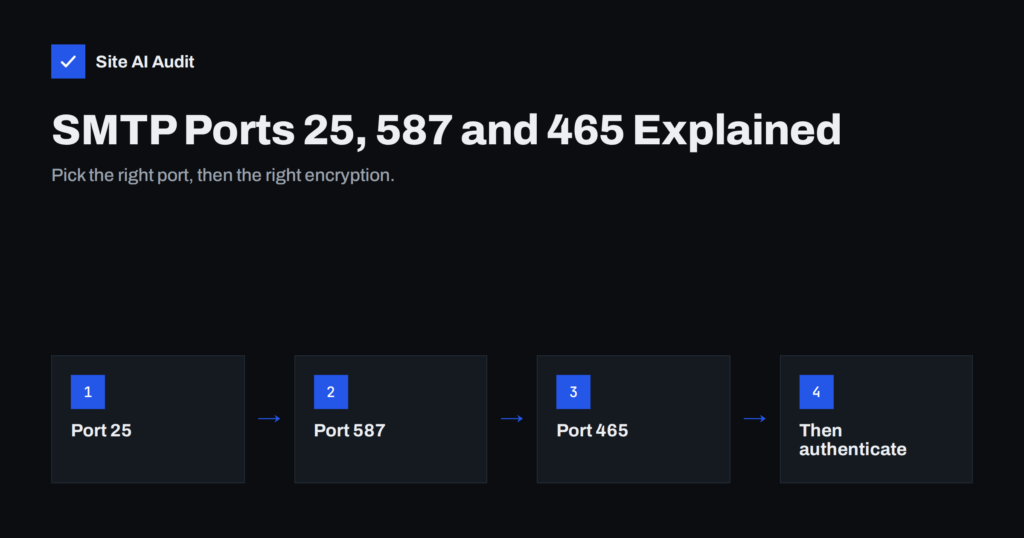
SMTP Ports 25, 587 and 465: Which One Should You Use?
Port 25, 587 or 465? Learn what each SMTP port is for, which to use for your website or mail app, and how to…
 29 sept. 2026 · 8 min de citit
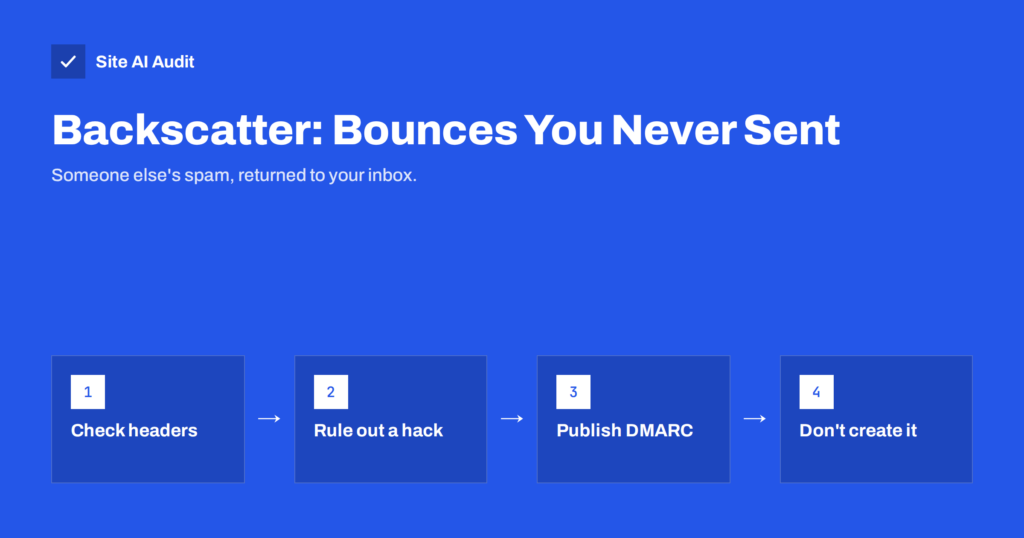
Backscatter: Why You Get Bounces for Emails You Never Sent
Getting bounce messages for emails you never sent? That is backscatter from spoofed spam. Learn how to tell if you were hacked and how…
 29 sept. 2026 · 7 min de citit
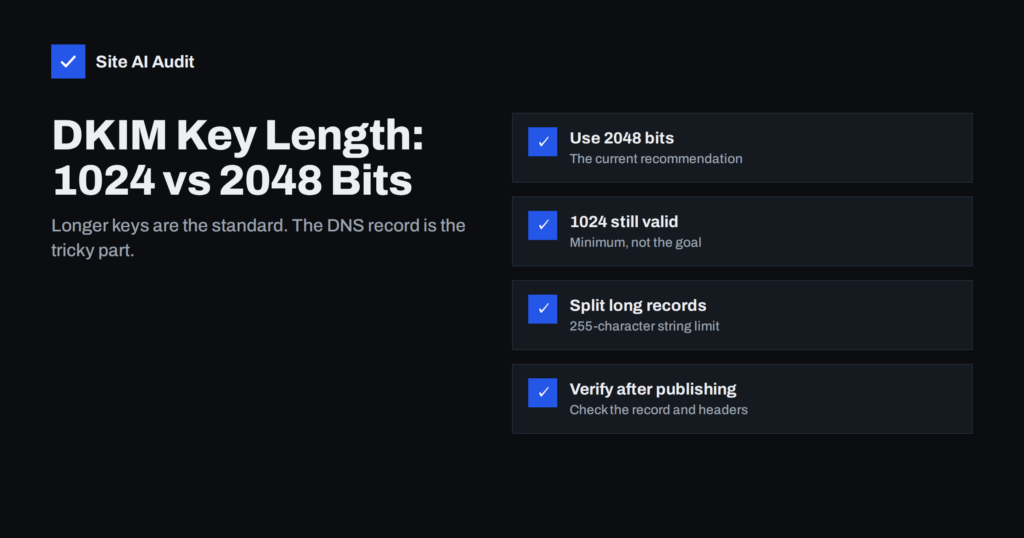
DKIM Key Length: 1024 vs 2048 Bits and Long DNS Records
Should your DKIM key be 1024 or 2048 bits? Learn what the standard recommends, how to publish long keys in DNS without errors and…
 24 sept. 2026 · 8 min de citit
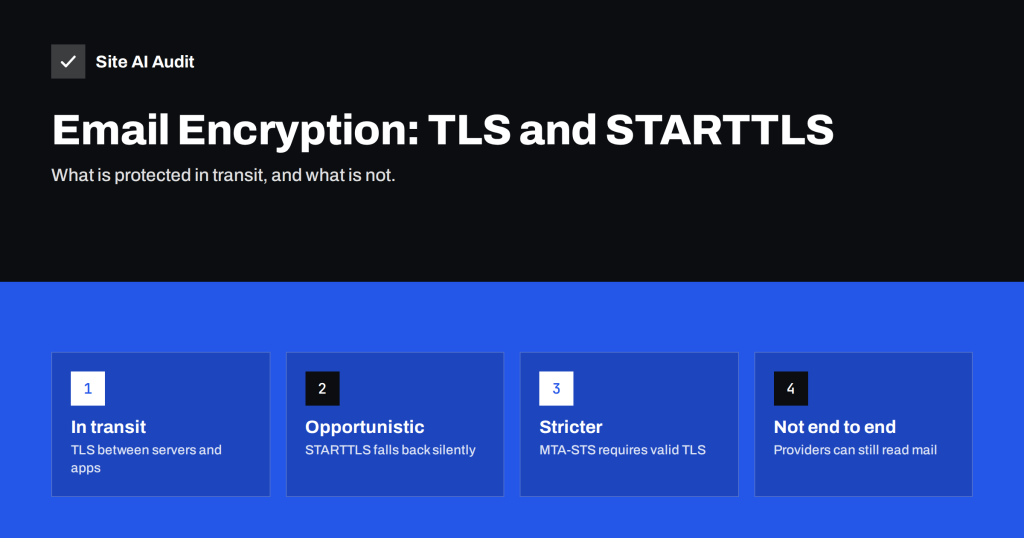
Is Your Email Encrypted? TLS and STARTTLS Explained Simply
Most e-mail is encrypted between servers with TLS, but not always and not end to end. Learn how STARTTLS works, how to check it…
 22 sept. 2026 · 8 min de citit
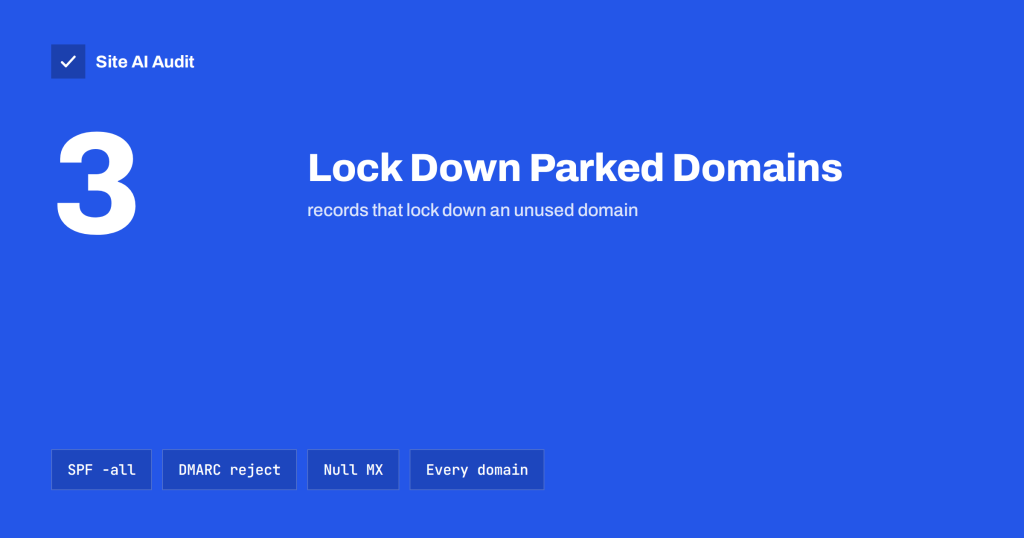
How to Protect Parked and Unused Domains from Email Abuse
Domains you never use for mail can still be spoofed. Learn the three DNS records that lock down a parked domain and how to…
 19 sept. 2026 · 7 min de citit
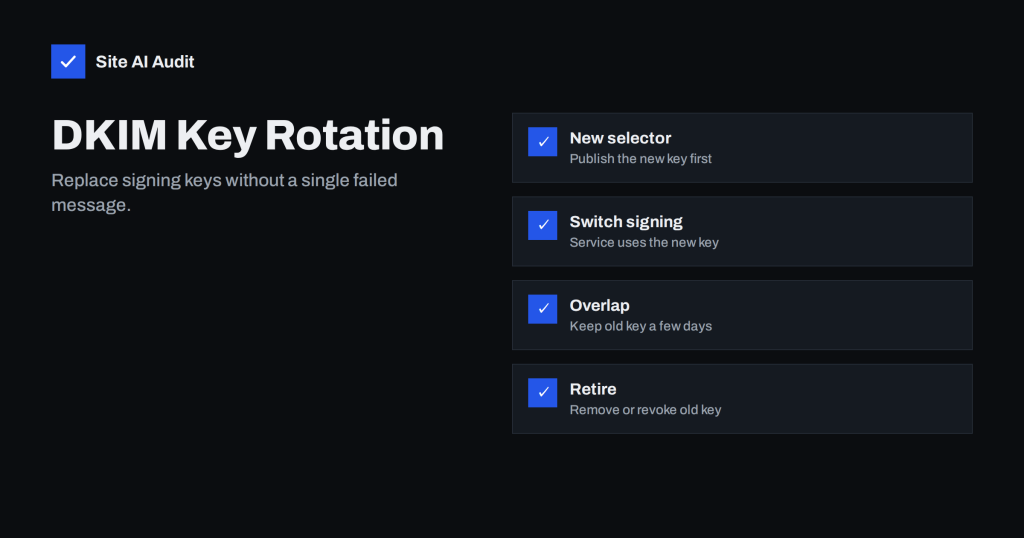
DKIM Key Rotation: When and How to Replace Your Keys Safely
DKIM keys should not live forever. Learn why to rotate them, how often, and a step-by-step process that replaces keys without breaking e-mail delivery.
 17 sept. 2026 · 7 min de citit
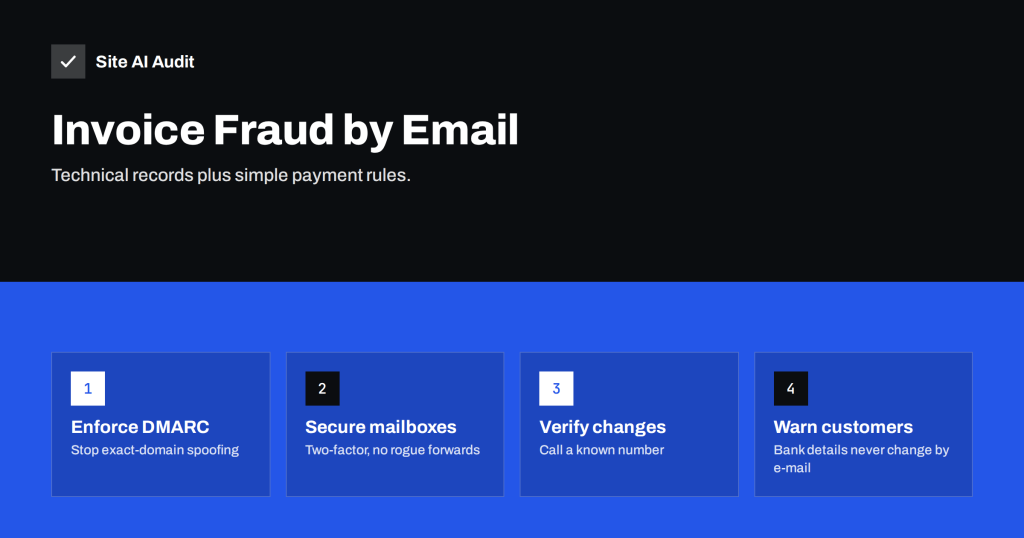
Invoice Fraud by Email: How Small Businesses Stay Protected
Fake invoices and changed bank details by e-mail cost businesses real money. Learn how the scams work and the technical and process defences that…
 16 sept. 2026 · 8 min de citit
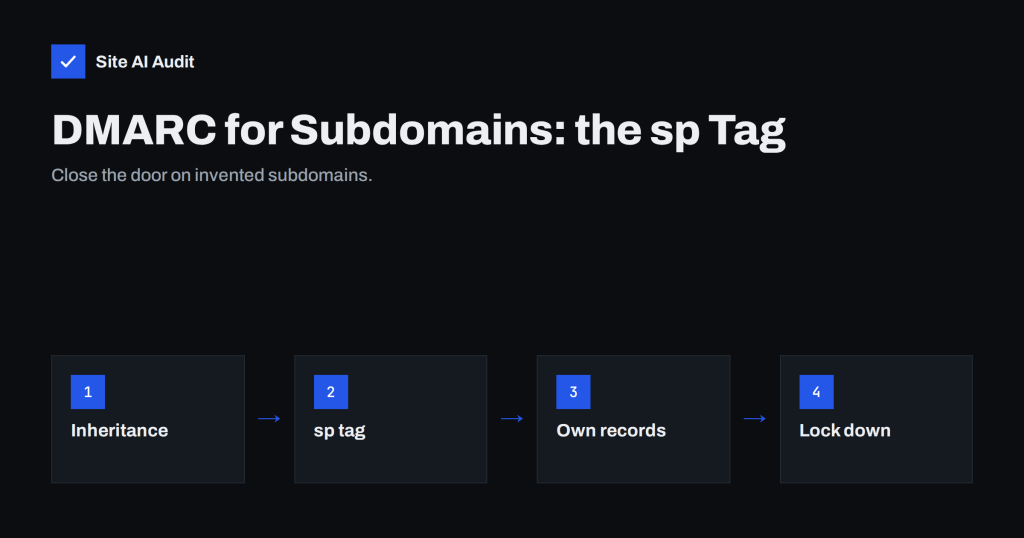
DMARC for Subdomains: How the sp Tag Protects Your Domain
Attackers can spoof subdomains you never use. Learn how DMARC applies to subdomains, what the sp tag does, and how to set policies for…
 21 aug. 2026 · 8 min de citit
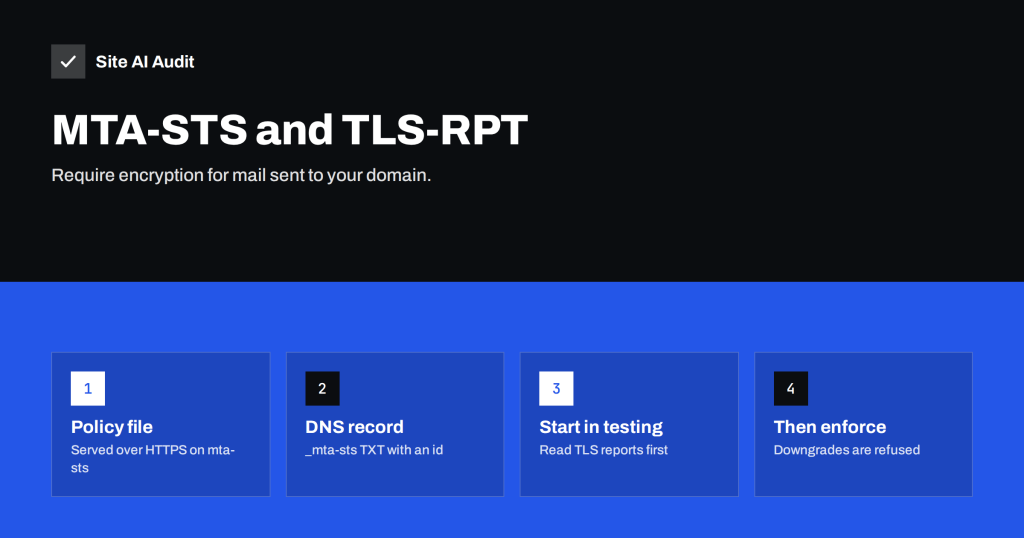
MTA-STS and TLS-RPT: Enforcing Encrypted Email Delivery
MTA-STS makes other servers deliver your incoming mail only over verified TLS, and TLS-RPT reports failures. Learn how both work and how to set…