 ENEnglish
 LTLietuviškai
 DEDeutsch
 FRFrançais
 RUРусский
 ESEspañol
 PLPolski
 ITItaliano
 UKУкраїнська
 CSČeština
 PTPortuguês
 JA日本語
 LVLatviešu valoda
 ETEesti
 HUMagyar
 IDBahasa Indonesia
 TRTürkçe
 HIहिन्दी
 ELΕλληνικά
 ARالعربية
 THไทย
 VITiếng Việt
 RORomână
 MSBahasa Melayu
 BNবাংলা
Segurança e SSL
The security basics every website should have, explained without jargon. We cover SSL certificates and their expiry, HTTPS redirects, security headers and software versions that should not be visible. Articles show what visitors see when something is wrong and how browsers warn them away. Each guide gives clear steps you can hand to your host or developer. We also explain how monitoring catches an expiring certificate before customers notice. A safe site protects both your visitors and your search rankings.
 29 de set. de 2026 · 7 min de leitura
Nulled Themes and Plugins: The Real Cost of Free Premium
Nulled themes and plugins often hide backdoors, spam links and redirects, and never get security updates. Learn the risks, the signs and how to…
 29 de set. de 2026 · 7 min de leitura
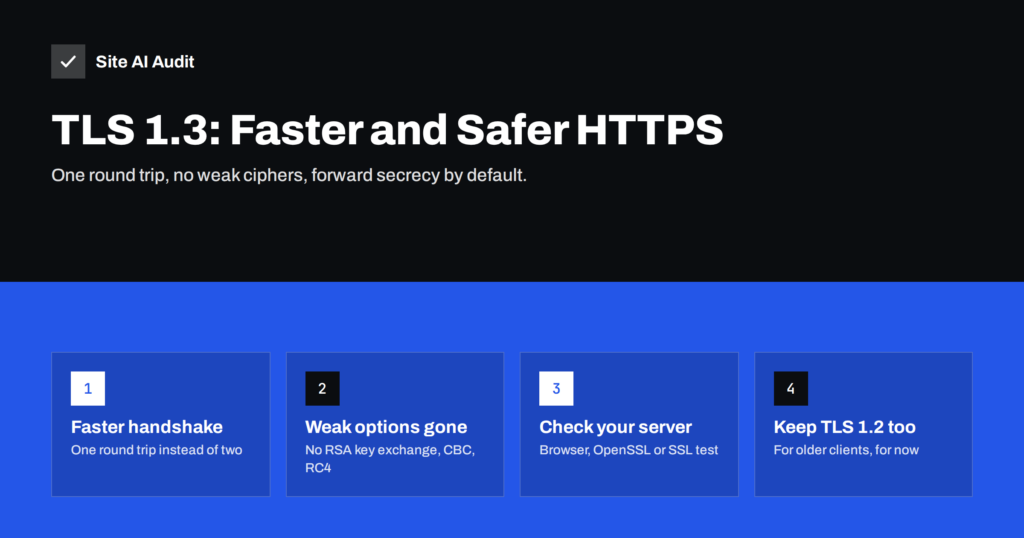
TLS 1.3 Explained: Why It Is Faster and How to Enable It
TLS 1.3 makes HTTPS connections faster and removes weak cryptography. Learn what changed, how to check your server and how to enable it safely.
 28 de set. de 2026 · 8 min de leitura
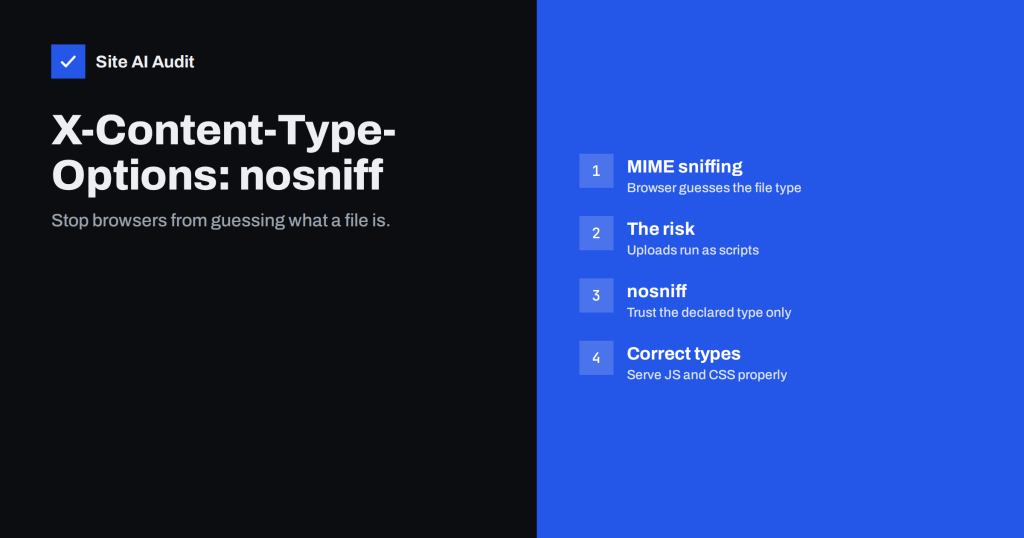
X-Content-Type-Options: nosniff and Safe MIME Types Explained
X-Content-Type-Options: nosniff stops browsers from guessing file types, closing a path for disguised scripts. Learn how MIME sniffing works and how to set it.
 27 de set. de 2026 · 7 min de leitura
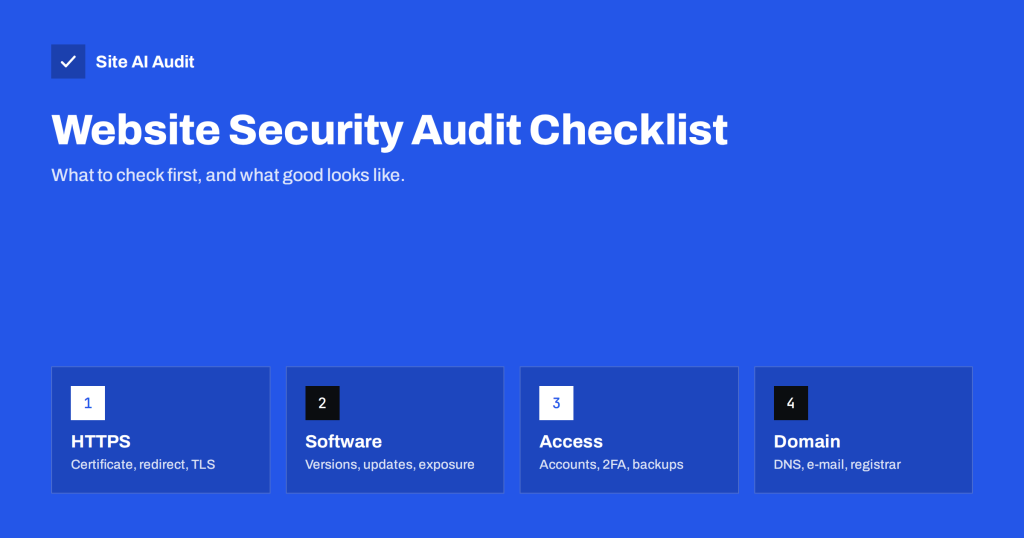
Website Security Audit Checklist: What to Check and in What Order
A practical website security audit checklist: HTTPS, certificates, headers, software, access, backups, DNS and e-mail, ordered by impact with clear targets.
 25 de set. de 2026 · 7 min de leitura
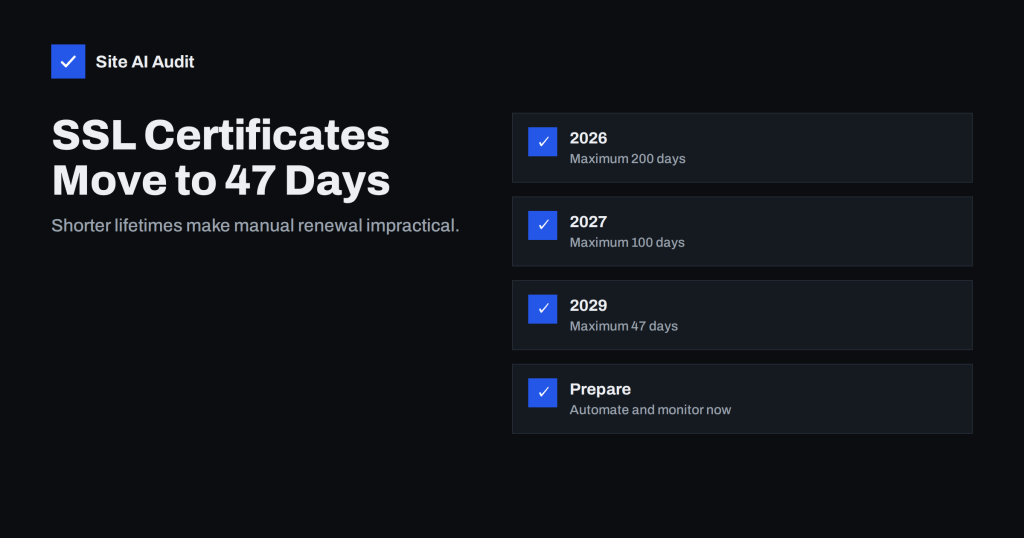
SSL Certificates Are Moving to 47 Days: What Site Owners Must Do
Maximum SSL certificate lifetimes are falling step by step to 47 days by 2029. Learn the timeline, who is affected and how to prepare…
 24 de set. de 2026 · 8 min de leitura
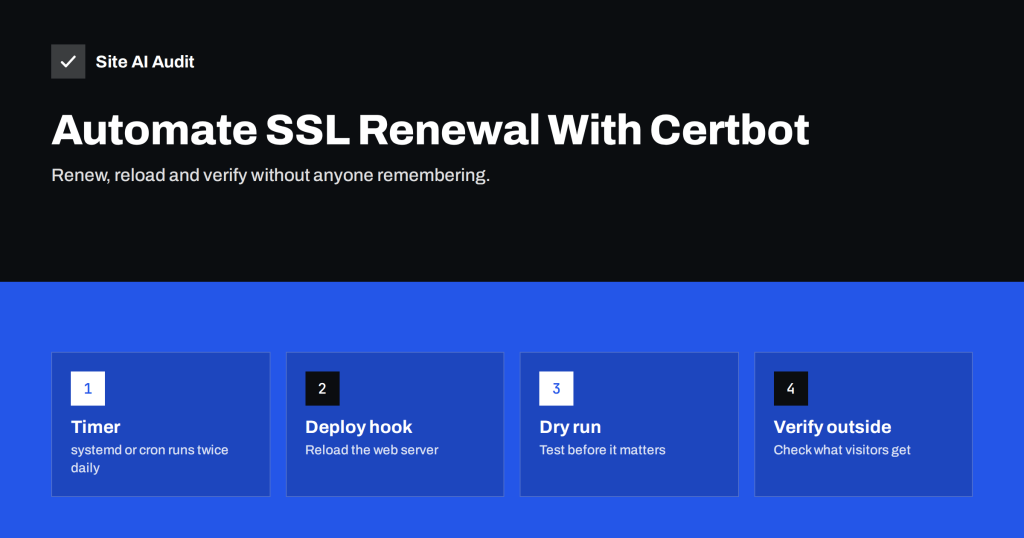
How to Automate SSL Renewal With Certbot (and Verify It Works)
Set up Certbot so Let's Encrypt certificates renew automatically: timers, reload hooks, DNS challenges behind CDNs, dry runs and checks for silent failures.
 23 de set. de 2026 · 7 min de leitura
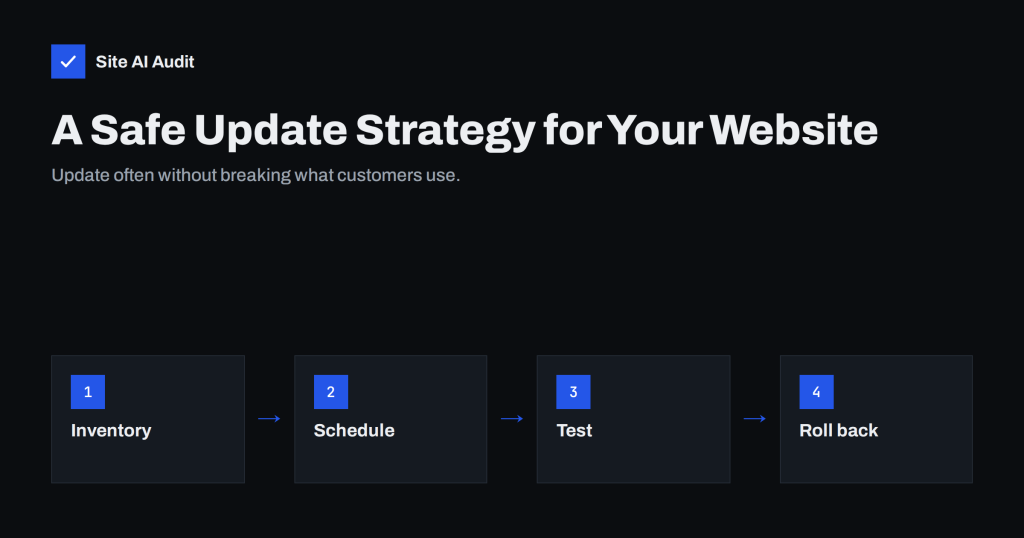
Outdated Plugins and CMS Versions: A Safe Update Strategy
Outdated plugins are the most common way websites get hacked. Learn how to update the CMS, plugins, themes and PHP safely, often, and without…
 22 de set. de 2026 · 7 min de leitura
Website Security Checks for Agencies: A Repeatable Client Process
A practical process for agencies to check client website security: baseline audits, monitoring, clear reports, responsibilities and turning findings into work.
 21 de set. de 2026 · 7 min de leitura
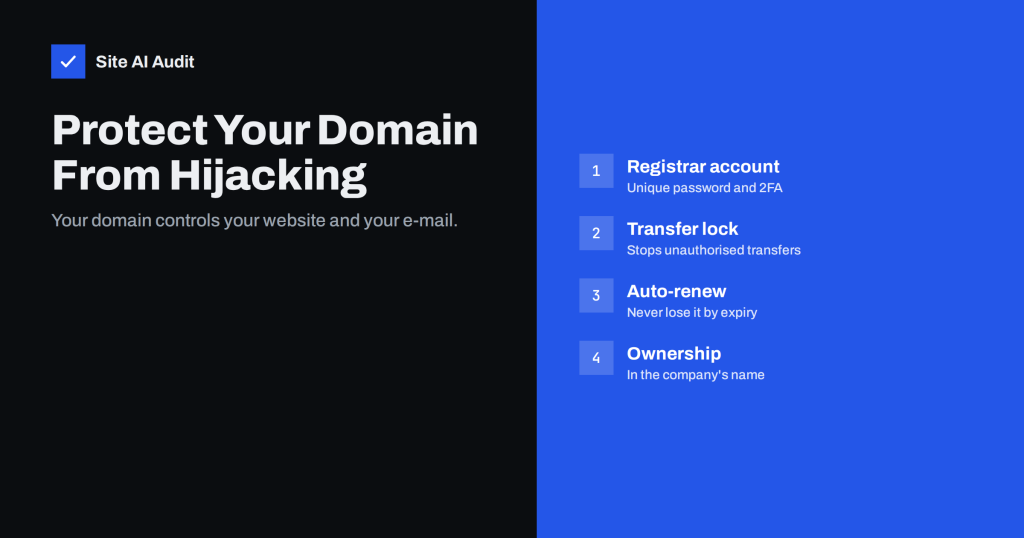
Domain Hijacking: How to Protect Your Domain Name and DNS
Losing control of your domain takes down your website and e-mail at once. Learn how domains get hijacked or expire and how to lock…
 20 de set. de 2026 · 7 min de leitura
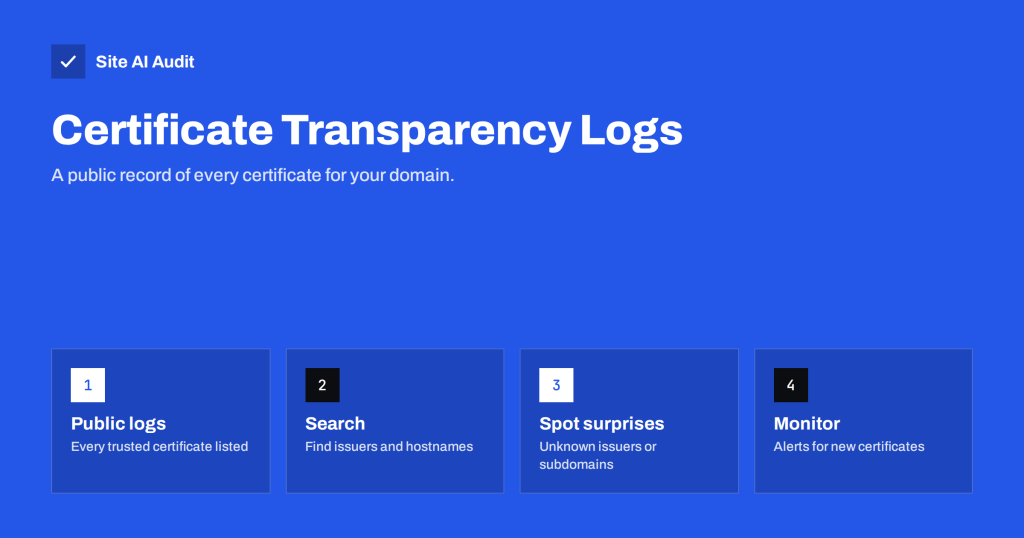
Certificate Transparency Logs: Every Certificate for Your Domain
Every public SSL certificate is recorded in certificate transparency logs. Learn how to search them, what to look for and how to monitor your…
 18 de set. de 2026 · 8 min de leitura
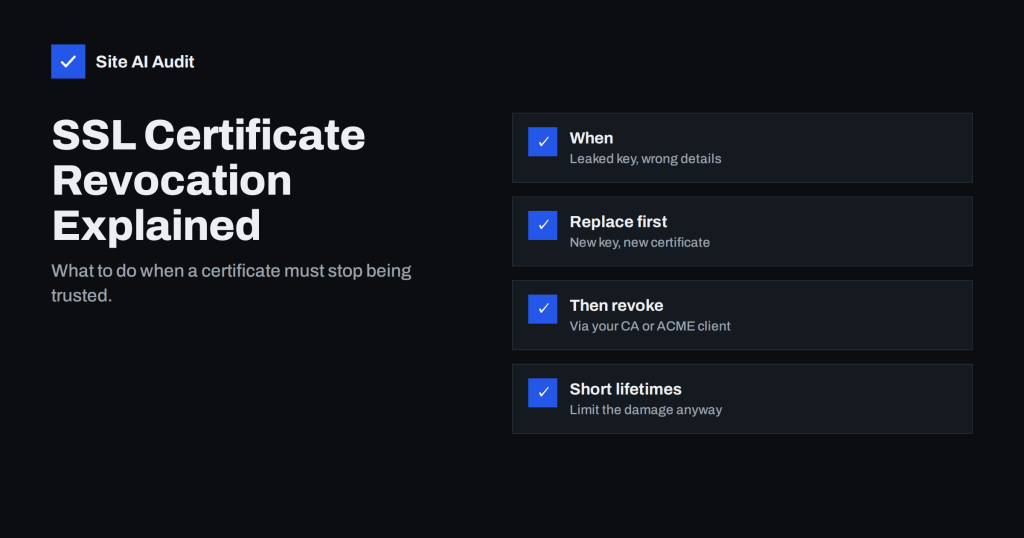
SSL Certificate Revocation: When and How to Revoke a Certificate
Revoking a certificate tells browsers to stop trusting it before it expires. Learn when revocation is needed, how CRLs and OCSP work and how…
 17 de set. de 2026 · 8 min de leitura
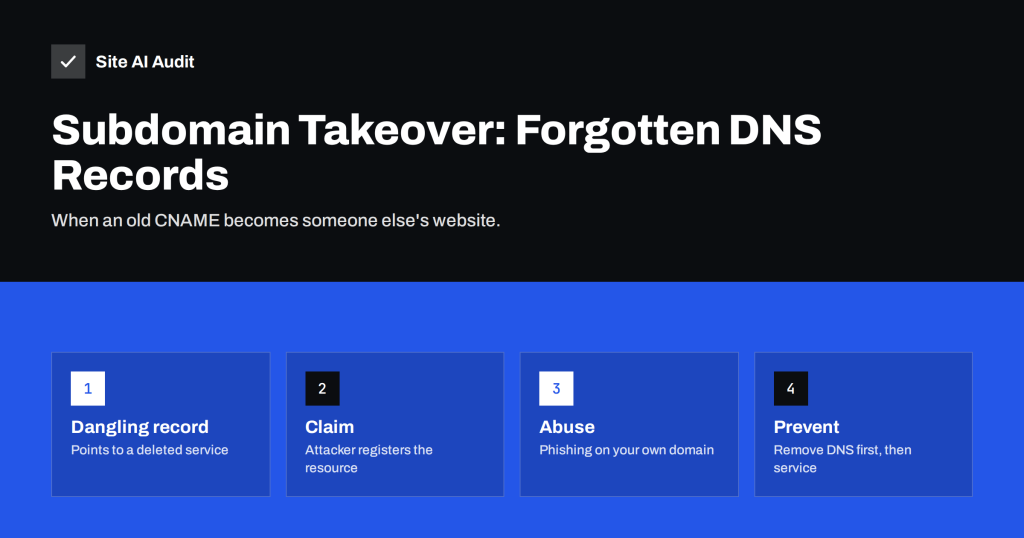
Subdomain Takeover: How Forgotten DNS Records Get Hijacked
A DNS record pointing to a service you no longer use can let attackers take over your subdomain. Learn how subdomain takeover works and…