 ENEnglish
 LTLietuviškai
 DEDeutsch
 FRFrançais
 RUРусский
 ESEspañol
 PLPolski
 ITItaliano
 UKУкраїнська
 CSČeština
 PTPortuguês
 JA日本語
JA日本語 LVLatviešu valoda
 ETEesti
 HUMagyar
 IDBahasa Indonesia
 TRTürkçe
 HIहिन्दी
 ELΕλληνικά
 ARالعربية
 THไทย
THไทย VITiếng Việt
 RORomână
 MSBahasa Melayu
 BNবাংলা
Blog
Guias sobre saúde do site, SEO, velocidade, SSL e entregabilidade de e-mail.
 10 de set. de 2026 · 7 min de leitura
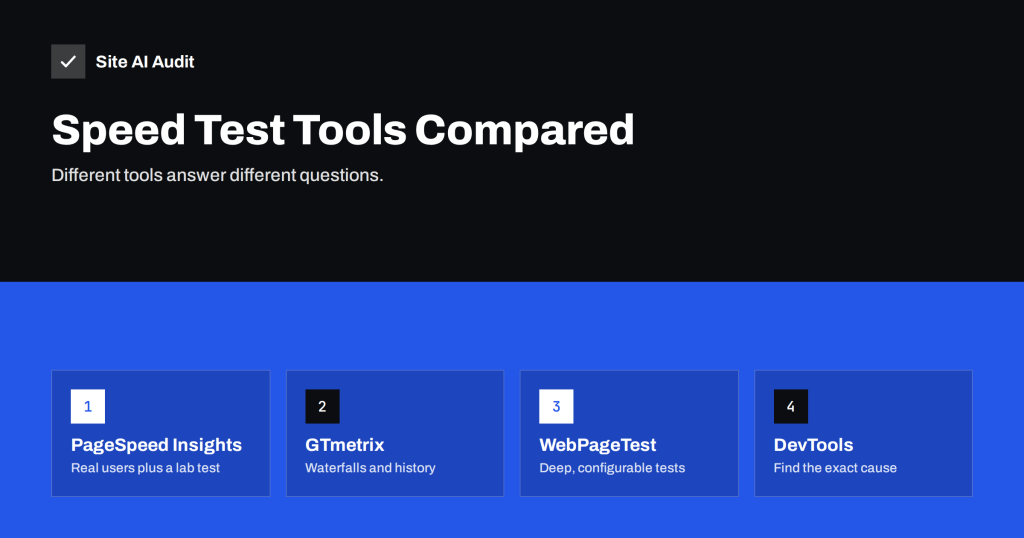
PageSpeed Insights vs GTmetrix vs WebPageTest: Which to Use
PageSpeed Insights, GTmetrix, WebPageTest, Lighthouse and DevTools measure speed differently. Learn what each is good at and why their results disagree.
 9 de set. de 2026 · 7 min de leitura
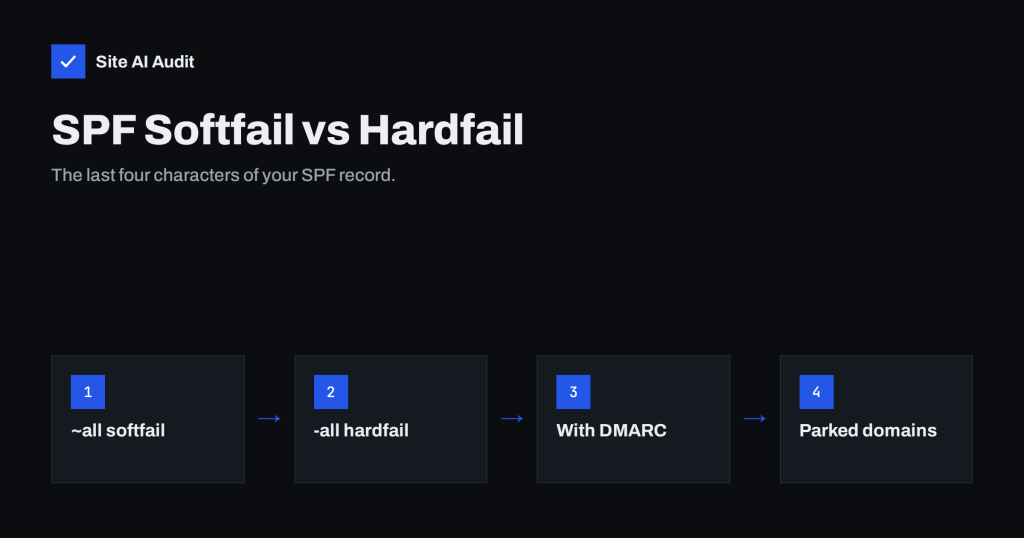
SPF Softfail vs Hardfail: Should You Use ~all or -all?
Should your SPF record end with ~all or -all? Learn what softfail and hardfail do, how receivers treat them with DMARC, and which ending…
 9 de set. de 2026 · 7 min de leitura
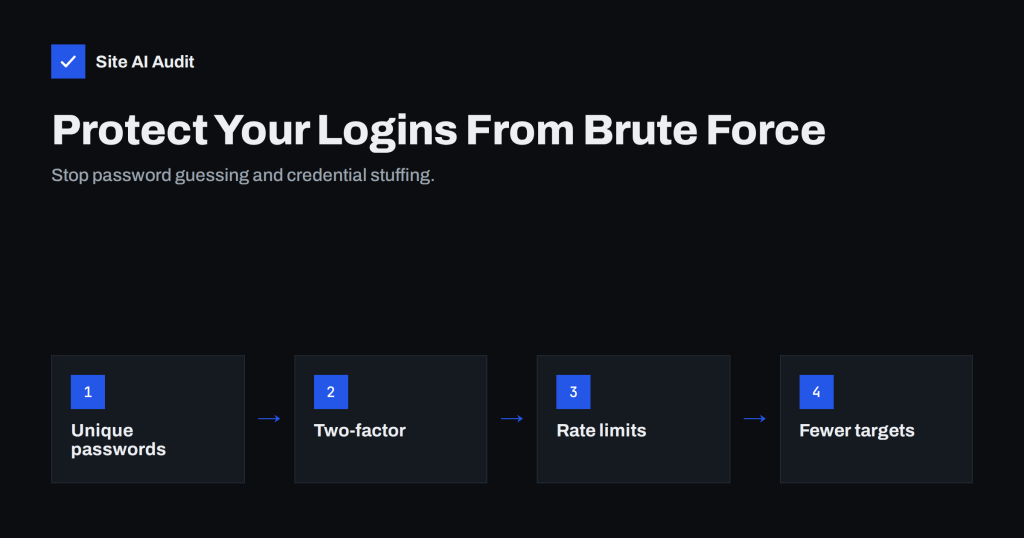
Brute-Force Login Attacks: How to Protect Your Website Logins
Bots try thousands of passwords on website logins every day. Learn how brute-force and credential stuffing work and which protections actually stop them.
 9 de set. de 2026 · 7 min de leitura
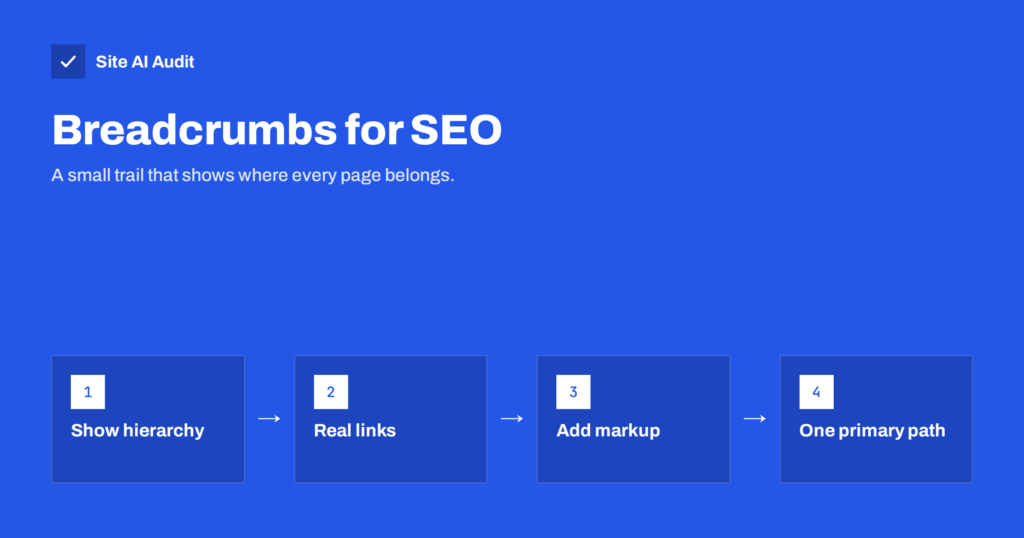
Breadcrumbs for SEO: Why They Help and How to Add Them
How breadcrumb navigation helps visitors and search engines, which breadcrumb type to use, how to add BreadcrumbList markup and the mistakes to avoid.
 8 de set. de 2026 · 7 min de leitura
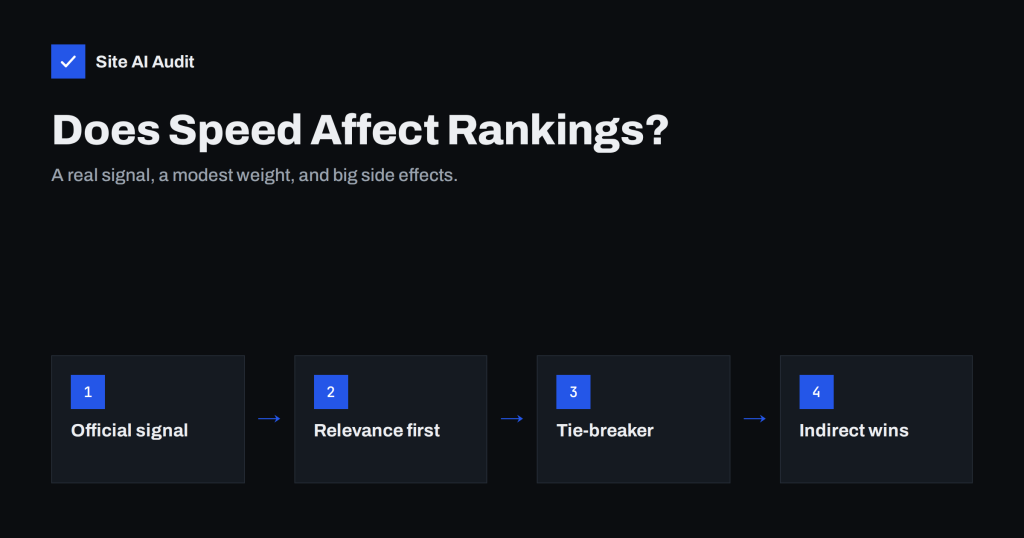
Does Page Speed Affect Google Rankings? What We Actually Know
Page speed is a Google ranking signal, but a smaller one than many believe. Learn what Google has said, how Core Web Vitals fit…
 8 de set. de 2026 · 8 min de leitura
DMARC Alignment Explained: Relaxed vs Strict Mode
DMARC passes only when SPF or DKIM aligns with your From domain. Learn how relaxed and strict alignment differ, and which mode suits your…
 8 de set. de 2026 · 8 min de leitura
Permissions-Policy Header: Control Camera, Location and More
Permissions-Policy lets you switch off browser features like camera, microphone and geolocation for your pages and embedded iframes. Here is how to set it.
 8 de set. de 2026 · 8 min de leitura
Link Attributes on Your Site: nofollow, sponsored and ugc
What rel=nofollow, rel=sponsored and rel=ugc mean, when each is required or useful, and why nofollow on your own internal links usually backfires.
 7 de set. de 2026 · 8 min de leitura
How Website Speed Affects Sales, Leads and Conversions
Slow pages lose visitors before they see your offer. Learn how speed affects conversions, how to measure it on your site and which fixes…
 7 de set. de 2026 · 7 min de leitura
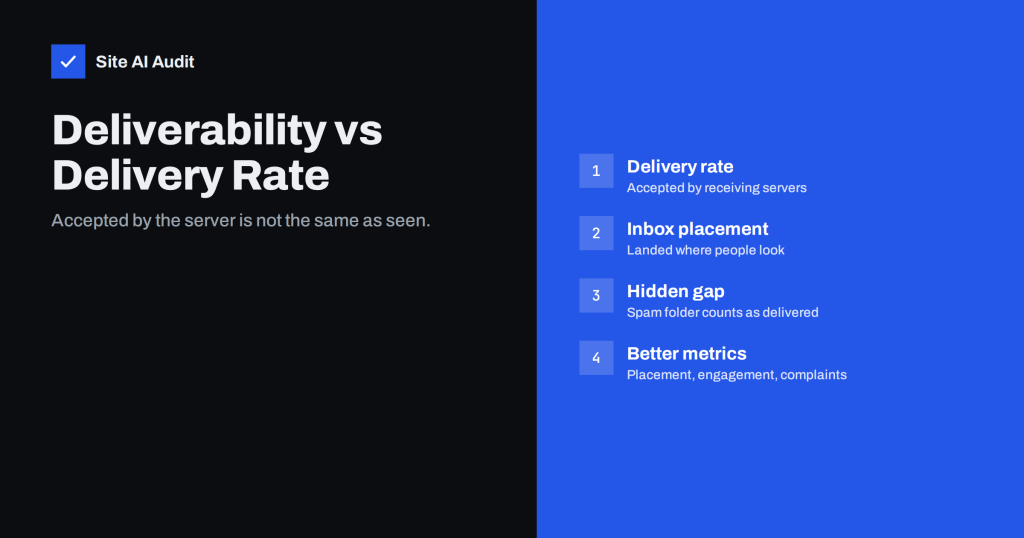
Email Deliverability vs Delivery Rate: What’s the Difference?
A 99% delivery rate does not mean 99% of e-mails reached the inbox. Learn the difference between delivery and deliverability and which numbers to…
 7 de set. de 2026 · 8 min de leitura
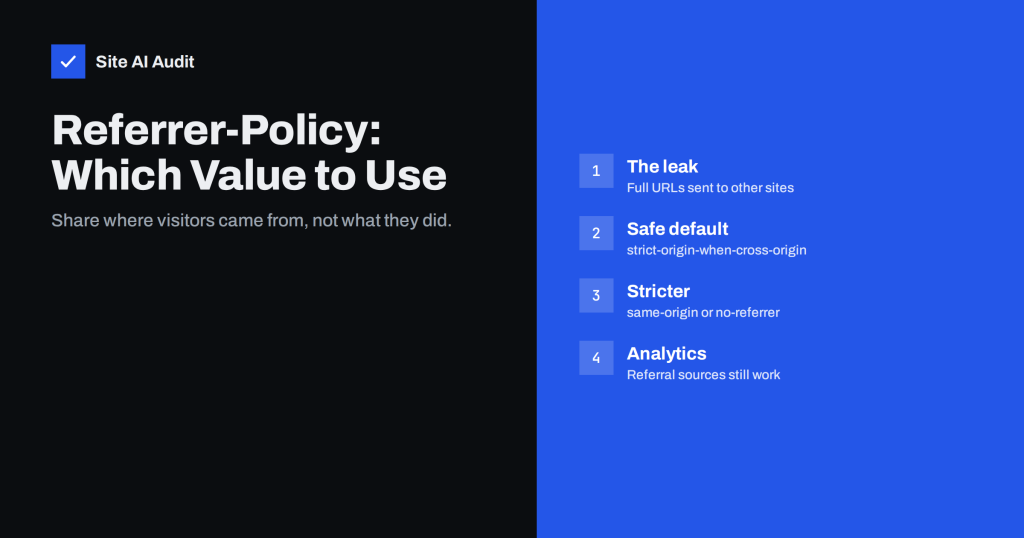
Referrer-Policy Header: Which Value to Use and Why It Matters
Referrer-Policy controls how much of your page URLs other sites see. Learn what each value does, the safe default, and how it affects analytics…
 7 de set. de 2026 · 8 min de leitura
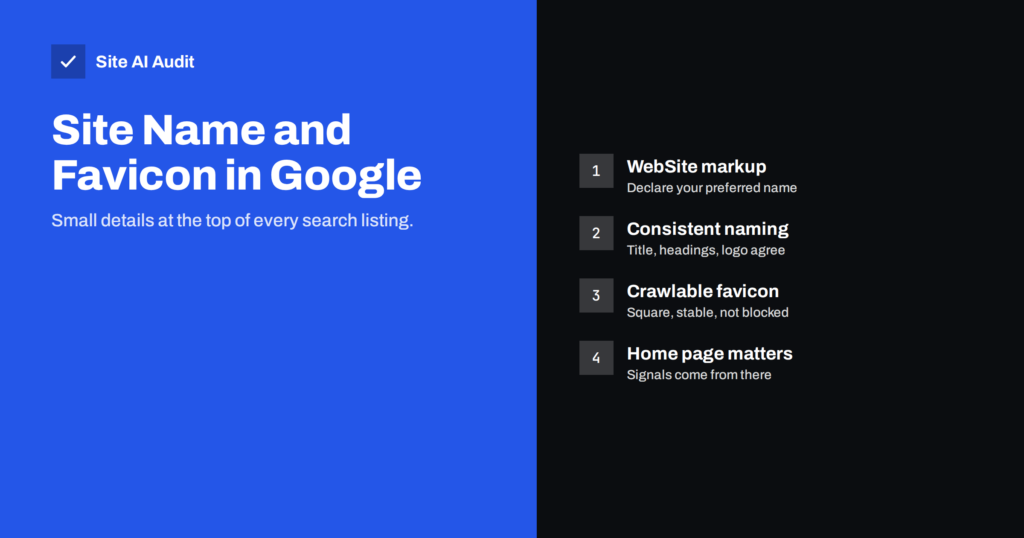
Site Name and Favicon in Google: How to Get Them Right
How Google chooses the site name and favicon shown in search results, why the wrong ones appear, and the practical steps to fix both…