 ENEnglish
 LTLietuviškai
 DEDeutsch
 FRFrançais
 RUРусский
 ESEspañol
 PLPolski
 ITItaliano
 UKУкраїнська
 CSČeština
 PTPortuguês
 JA日本語
JA日本語 LVLatviešu valoda
 ETEesti
 HUMagyar
 IDBahasa Indonesia
 TRTürkçe
 HIहिन्दी
 ELΕλληνικά
 ARالعربية
 THไทย
THไทย VITiếng Việt
 RORomână
 MSBahasa Melayu
 BNবাংলা
Blog
Guias sobre saúde do site, SEO, velocidade, SSL e entregabilidade de e-mail.
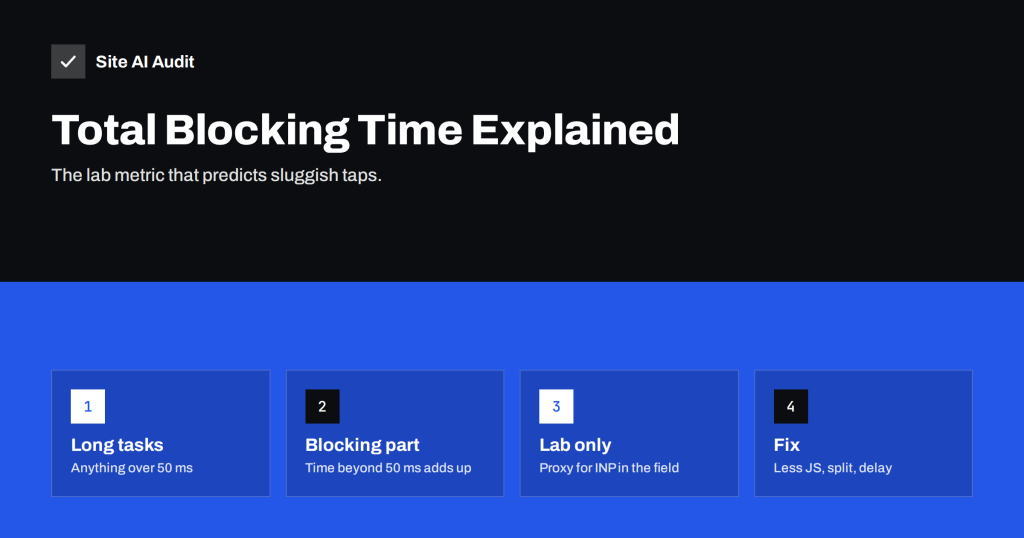 17 de set. de 2026 · 7 min de leitura
Total Blocking Time Explained: What It Means and How to Cut It
Total Blocking Time measures how long the main thread is blocked while a page loads. Learn how TBT is calculated, how it relates to…
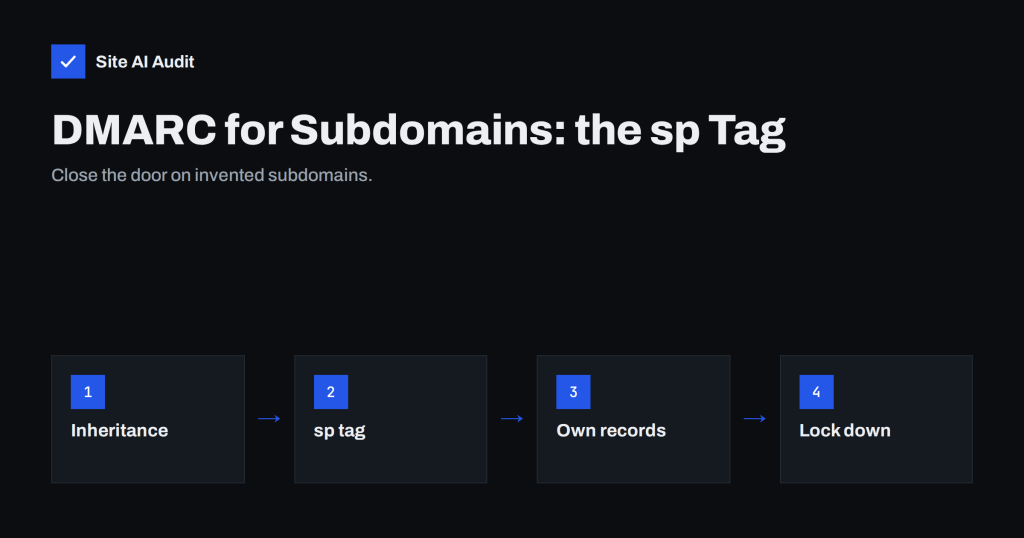 16 de set. de 2026 · 8 min de leitura
DMARC for Subdomains: How the sp Tag Protects Your Domain
Attackers can spoof subdomains you never use. Learn how DMARC applies to subdomains, what the sp tag does, and how to set policies for…
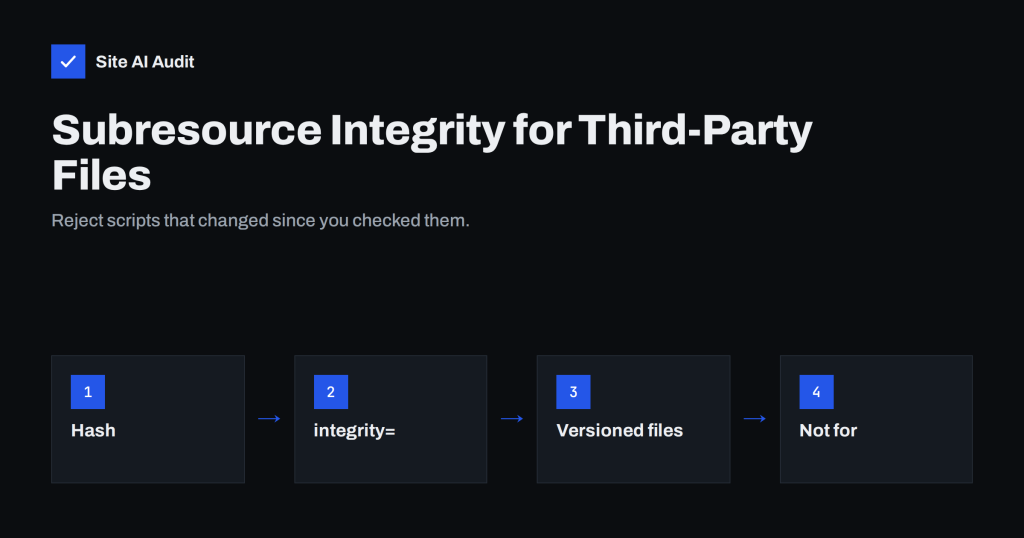 16 de set. de 2026 · 8 min de leitura
Subresource Integrity: Protect Your Site From Tampered Scripts
Subresource Integrity lets browsers reject third-party scripts and styles that have been changed. Learn how SRI works, when to use it and where it…
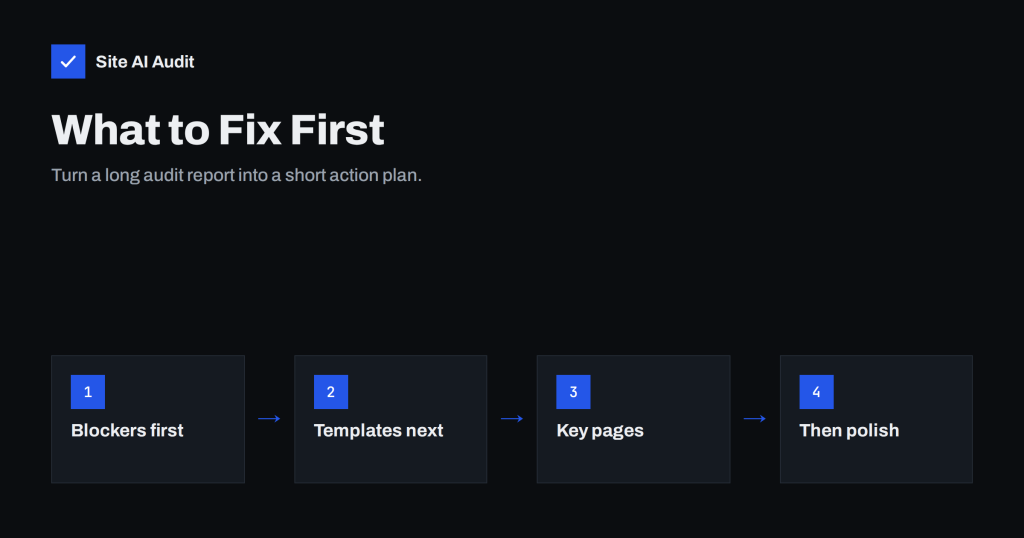 16 de set. de 2026 · 8 min de leitura
How to Prioritise SEO Audit Findings: What to Fix First
An SEO audit can list dozens of findings. Learn how to rank them by impact and effort, what to fix first, what can wait…
 15 de set. de 2026 · 7 min de leitura
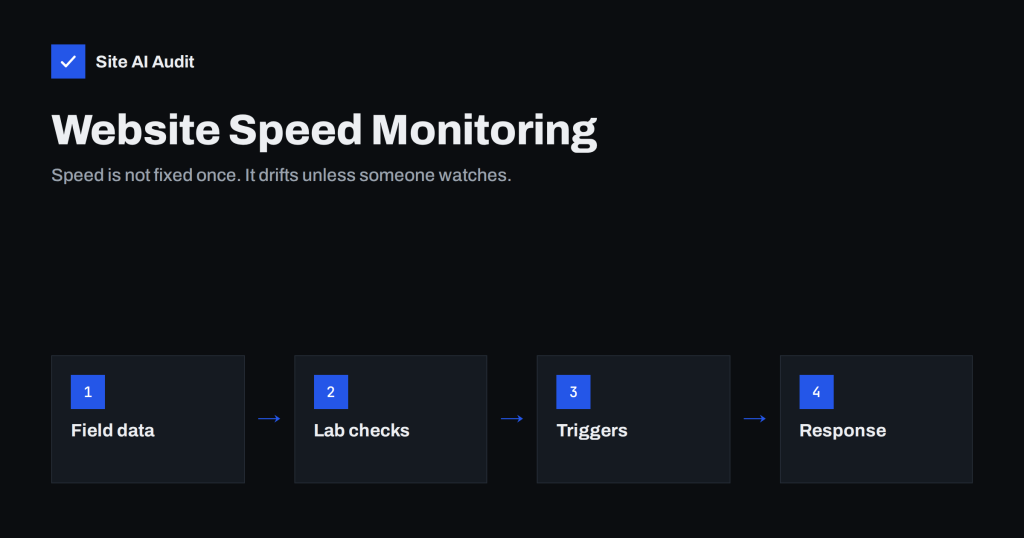
Website Speed Monitoring: Catch Slowdowns Before Customers Do
Websites get slower over time as plugins, tags and content pile up. Learn what to monitor, how often, which tools to use and how…
 15 de set. de 2026 · 8 min de leitura
Changing DNS Provider Without Breaking Your Email
Moving your domain's DNS to a new host can silently break e-mail. Learn which records to copy, how to compare zones and how to…
 15 de set. de 2026 · 8 min de leitura
How to Add Security Headers on Apache, Nginx, WordPress and CDNs
Copy-ready examples for adding HSTS, CSP, X-Frame-Options and other security headers on Apache, Nginx, WordPress hosting and CDNs, plus how to verify them.
 15 de set. de 2026 · 8 min de leitura
E-E-A-T Explained: Showing Trust on a Small Business Website
What E-E-A-T means in plain words, why trust matters most, and practical ways a small business website can show experience, expertise and reliability.
 14 de set. de 2026 · 7 min de leitura
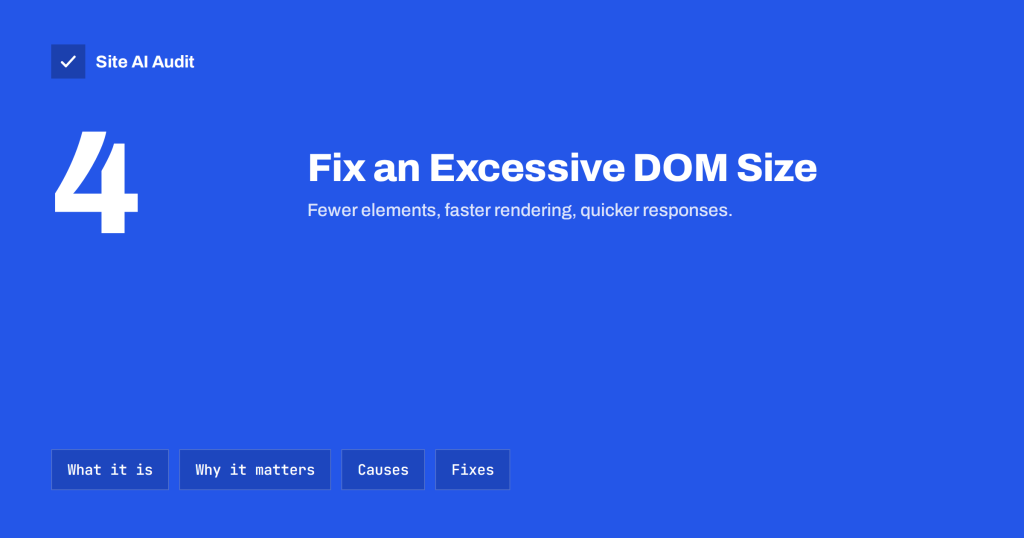
Excessive DOM Size: Why It Slows Pages and How to Fix It
A page with thousands of HTML elements takes longer to style, lay out and update. Learn what causes an excessive DOM size, why it…
 14 de set. de 2026 · 7 min de leitura
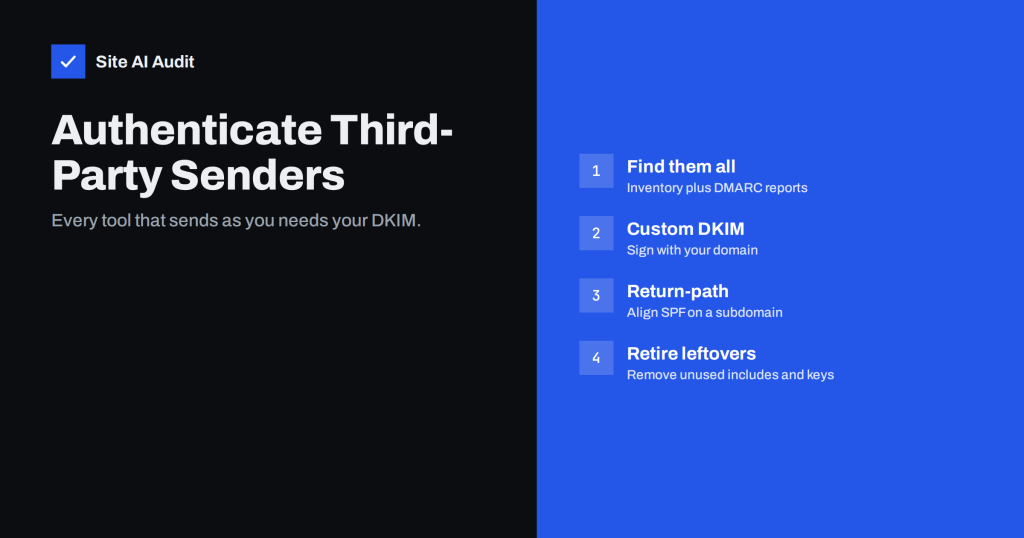
How to Authenticate Third-Party Email Senders for Your Domain
CRMs, helpdesks, newsletter and invoicing tools often send as your domain without proper authentication. Learn how to find them and align each with DMARC.
 14 de set. de 2026 · 8 min de leitura
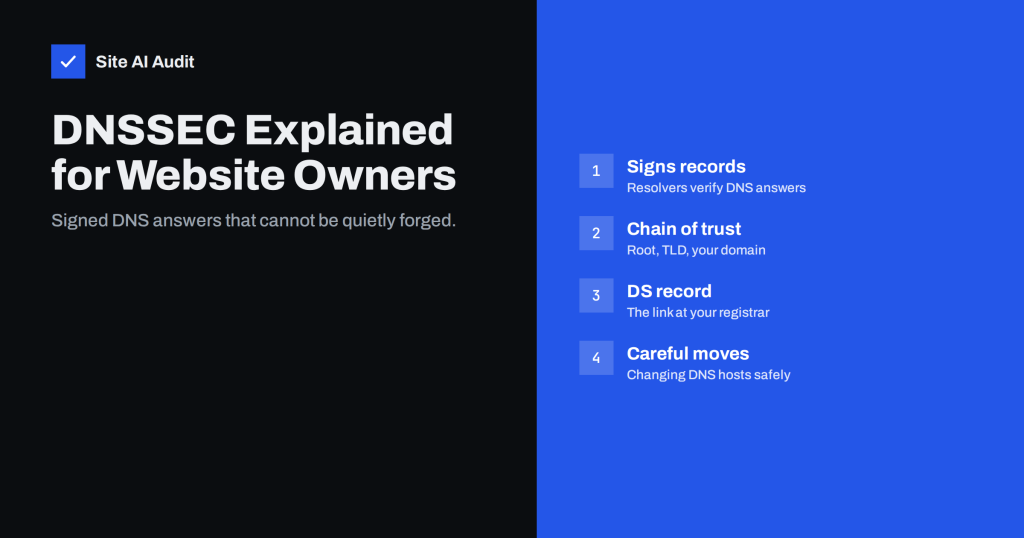
DNSSEC Explained for Website Owners: Is It Worth Enabling?
DNSSEC signs your DNS records so resolvers can detect forged answers. Learn how it works, what it protects, the risks of misconfiguration and how…
 13 de set. de 2026 · 7 min de leitura
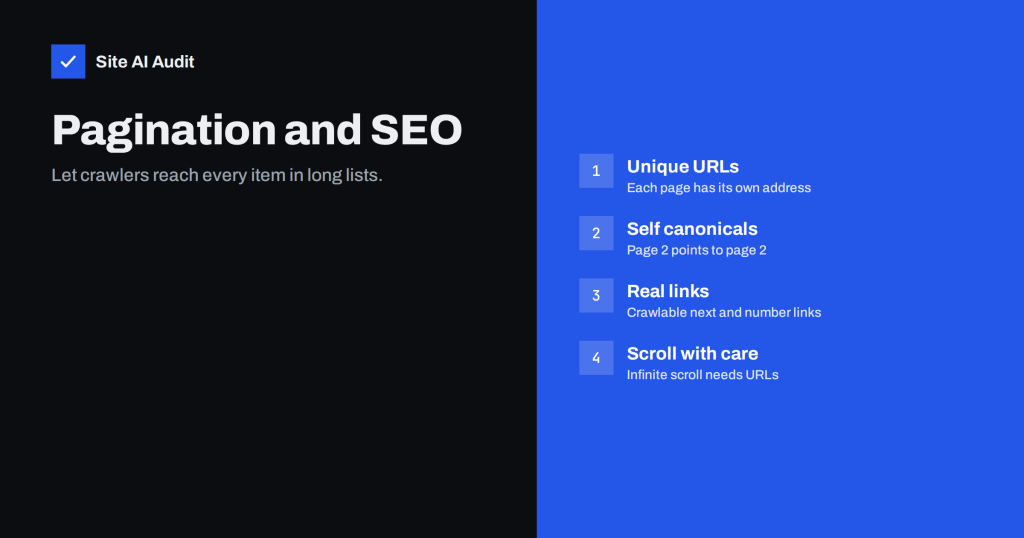
Pagination and SEO: How to Handle Page 2, 3 and Beyond
How search engines treat paginated category and blog pages, why page 2 should not canonicalise to page 1, and best practices for infinite scroll…