 ENEnglish
 LTLietuviškai
 DEDeutsch
 FRFrançais
 RUРусский
 ESEspañol
 PLPolski
 ITItaliano
 UKУкраїнська
 CSČeština
 PTPortuguês
 JA日本語
 LVLatviešu valoda
 ETEesti
 HUMagyar
 IDBahasa Indonesia
 TRTürkçe
 HIहिन्दी
 ELΕλληνικά
 ARالعربية
 THไทย
 VITiếng Việt
 RORomână
 MSBahasa Melayu
 BNবাংলা
#Web vulnerabilities
Web vulnerabilities are weaknesses in websites and web applications that attackers can use to read data, change content or take control. Well-known examples include SQL injection, cross-site scripting, broken access control and outdated software with published flaws. Most of them come from code that trusts user input too much or from components that are no longer updated. They affect small sites built on popular content management systems as much as large custom applications. Understanding the common types helps owners ask the right questions of developers and hosting providers. The articles under this tag explain how the main vulnerabilities work and which practical measures prevent them.
 2026. gada 24. okt. · Lasīšanas laiks: 8 min
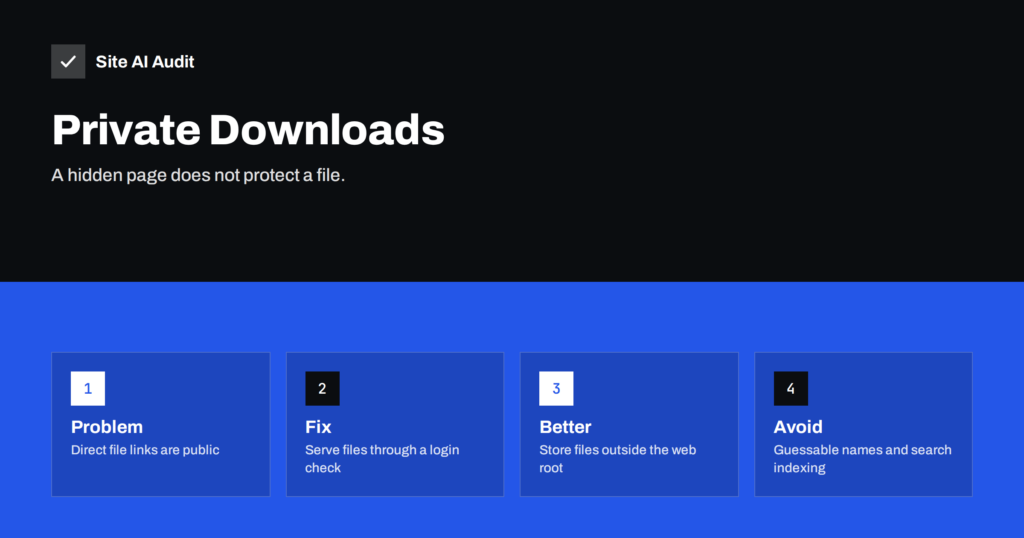
Protecting Private Downloads on a WordPress Website
Files in the WordPress uploads folder are public to anyone with the link, even on a members-only page. Learn how to protect private downloads…
 2026. gada 24. okt. · Lasīšanas laiks: 8 min
WordPress REST API Security: What to Expose and Restrict
The WordPress REST API is on by default and shows more than many owners expect. Learn what it exposes, what can stay public and…
 2026. gada 23. okt. · Lasīšanas laiks: 8 min
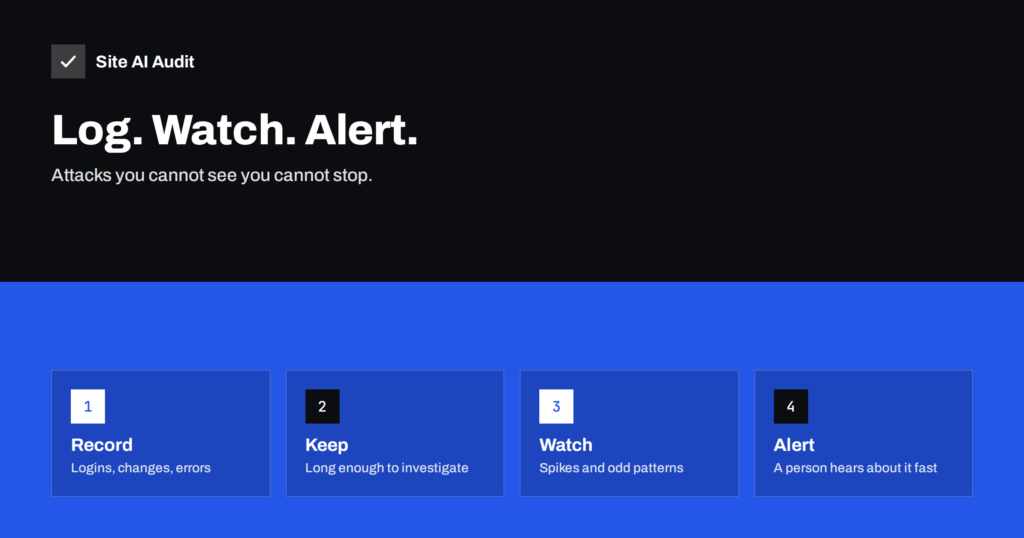
Security Logging and Monitoring: What Small Sites Should Track
Many breaches go unnoticed for months because nobody looks at the logs. Learn which events a small website should record, keep and get alerts…
 2026. gada 23. okt. · Lasīšanas laiks: 8 min
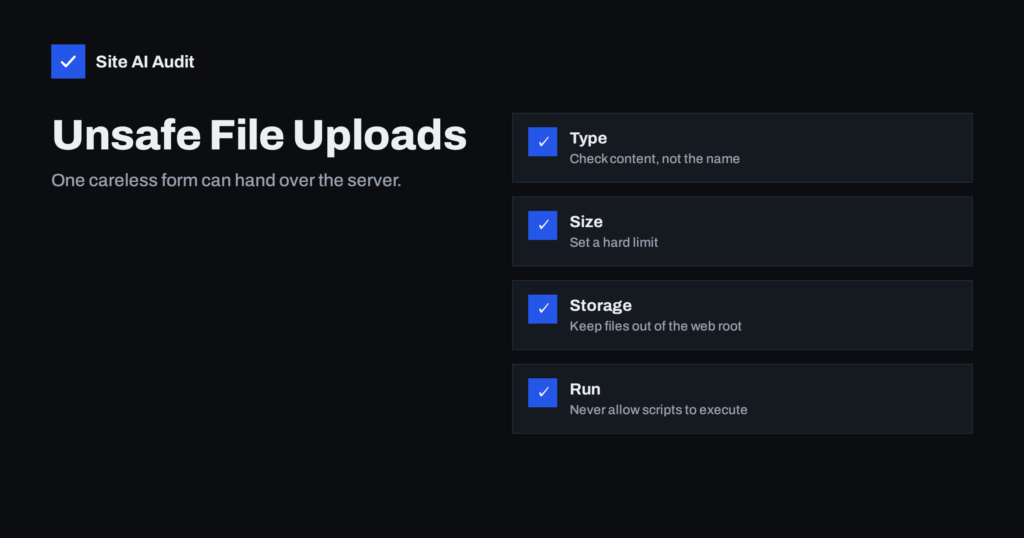
Unrestricted File Upload Vulnerabilities and How to Block Them
A careless upload form can let attackers place a script on your server. Learn how file upload flaws work and the checks that keep…
 2026. gada 22. okt. · Lasīšanas laiks: 8 min
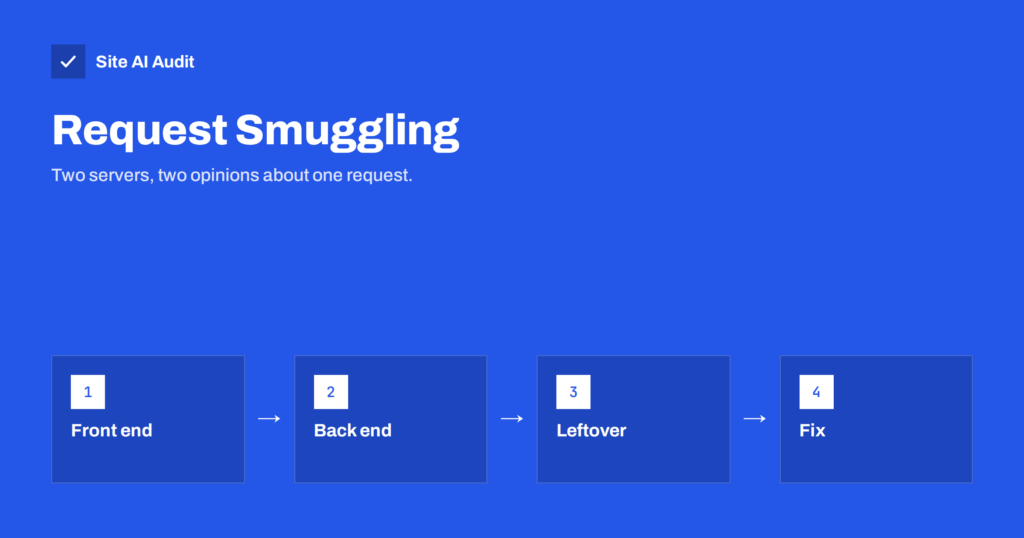
HTTP Request Smuggling Explained for Website Owners
Request smuggling happens when a proxy and a server disagree where one request ends. Learn how it works, what it can lead to and…
 2026. gada 22. okt. · Lasīšanas laiks: 8 min
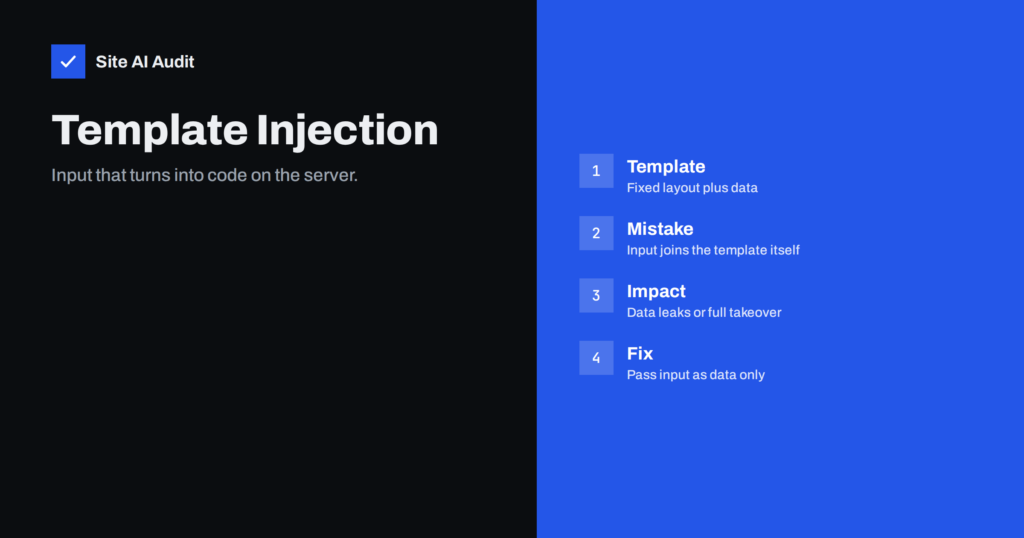
Server-Side Template Injection (SSTI) Explained Simply
Server-side template injection happens when user input becomes part of a template the server runs. Learn how it works, why it is serious and…
 2026. gada 22. okt. · Lasīšanas laiks: 8 min
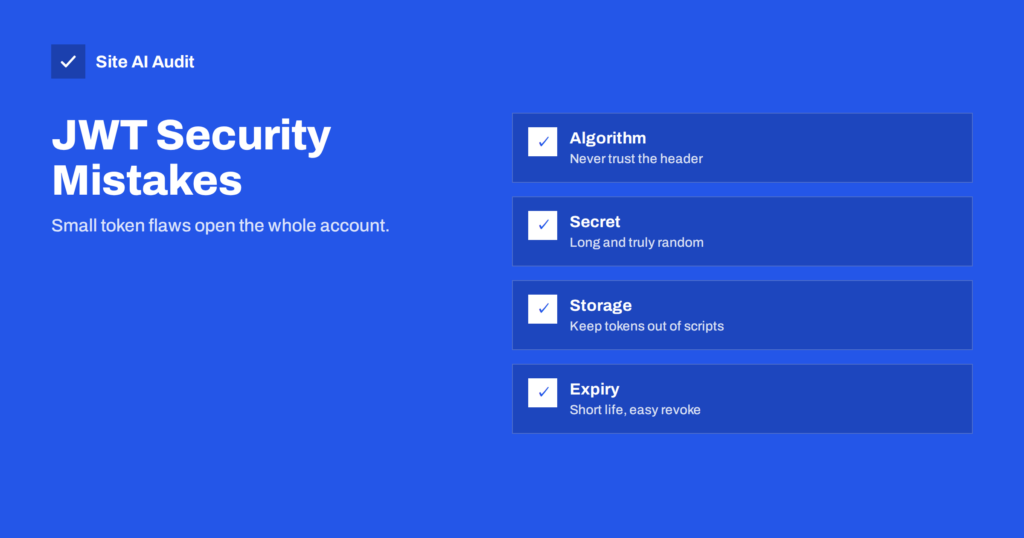
JWT Security Mistakes: Protecting Login Tokens on Your Site
JSON Web Tokens are common in logins and APIs, but small mistakes make them easy to forge or steal. Learn the typical flaws and…
 2026. gada 21. okt. · Lasīšanas laiks: 8 min
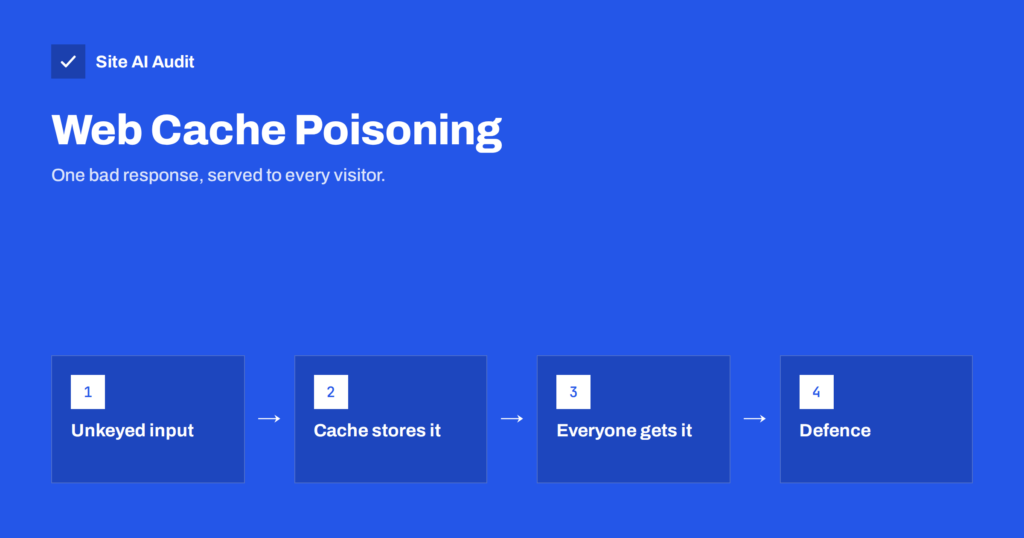
Web Cache Poisoning Explained for Website Owners
Web cache poisoning tricks your cache into storing a harmful page and serving it to everyone. Learn how it works, where caches are weak…
 2026. gada 21. okt. · Lasīšanas laiks: 8 min
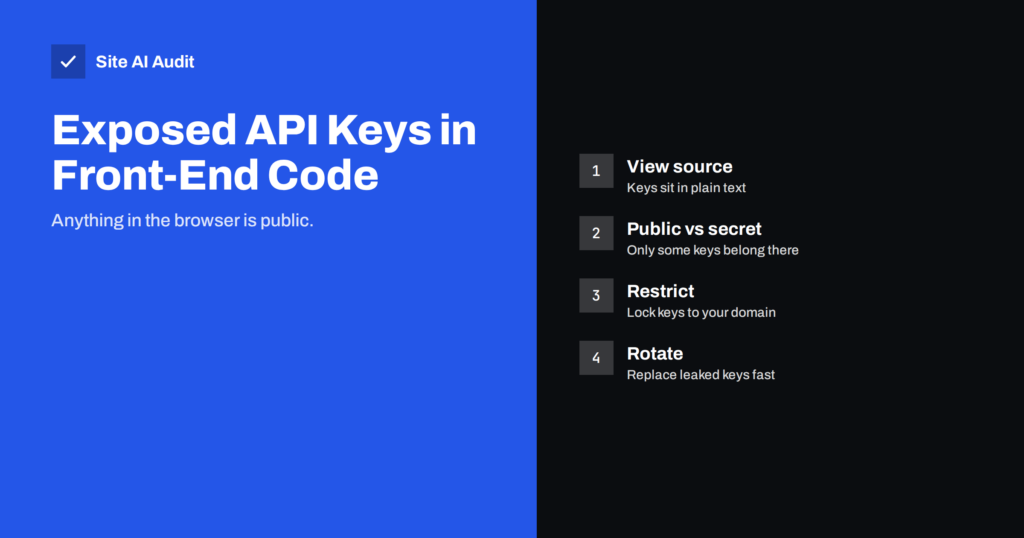
Exposed API Keys in Front-End Code: How to Find and Fix Them
Keys pasted into JavaScript, HTML or config files are visible to anyone. Learn which keys are safe to expose, how to find leaked ones…
 2026. gada 20. okt. · Lasīšanas laiks: 8 min
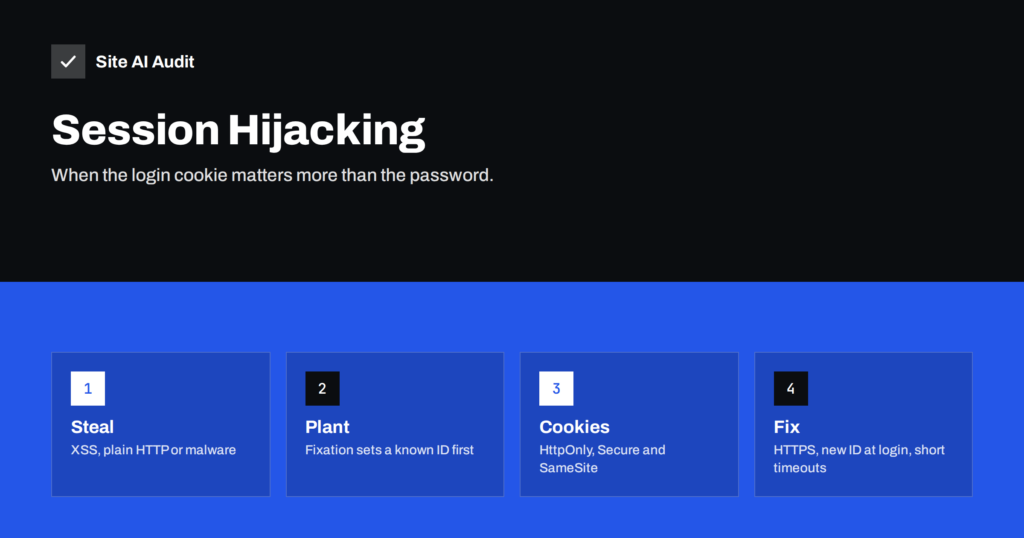
Session Hijacking and Fixation: Protect Logged-In Users
A stolen or planted session ID lets an attacker act as a logged-in user without a password. Learn how these attacks work and the…
 2026. gada 20. okt. · Lasīšanas laiks: 8 min
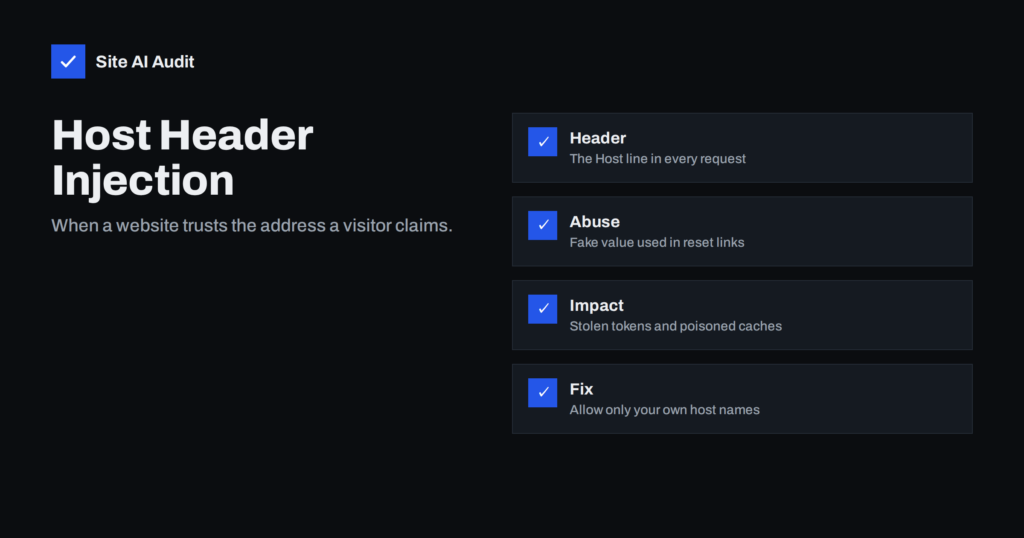
Host Header Injection: How Password Reset Links Get Hijacked
A forged Host header can make a site send password reset links that point to an attacker. Learn how the attack works and how…
 2026. gada 19. okt. · Lasīšanas laiks: 8 min
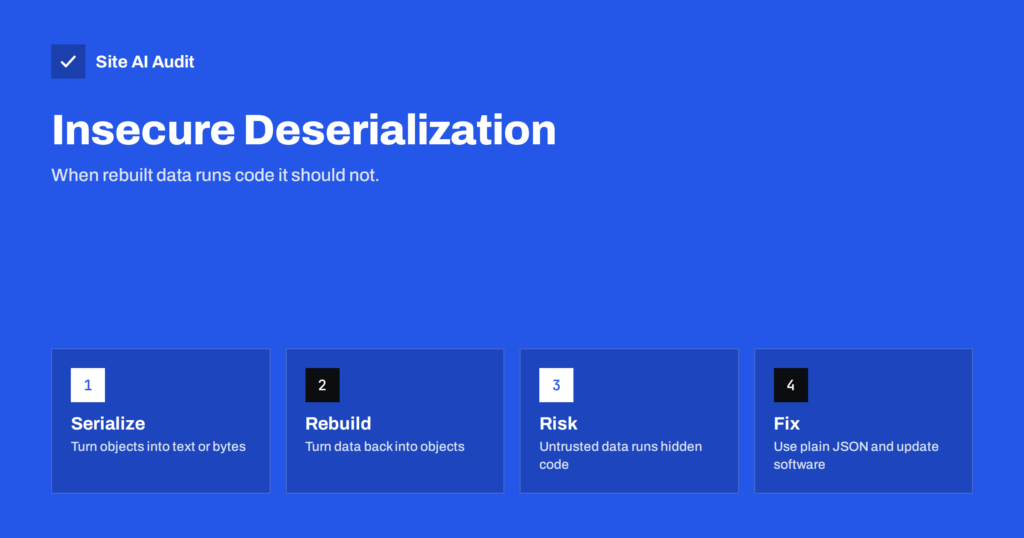
Insecure Deserialization Explained in Plain Language
Insecure deserialization lets attackers feed crafted data to your application and trigger code they should never reach. See how it works and how to…