 ENEnglish
 LTLietuviškai
 DEDeutsch
 FRFrançais
 RUРусский
 ESEspañol
 PLPolski
 ITItaliano
 UKУкраїнська
 CSČeština
 PTPortuguês
 JA日本語
JA日本語 LVLatviešu valoda
 ETEesti
 HUMagyar
 IDBahasa Indonesia
 TRTürkçe
 HIहिन्दी
 ELΕλληνικά
 ARالعربية
 THไทย
THไทย VITiếng Việt
 RORomână
 MSBahasa Melayu
 BNবাংলা
Blogs
Ceļveži par vietnes veselību, SEO, ātrumu, SSL un e-pasta piegādājamību.
 2026. gada 29. sept. · Lasīšanas laiks: 8 min
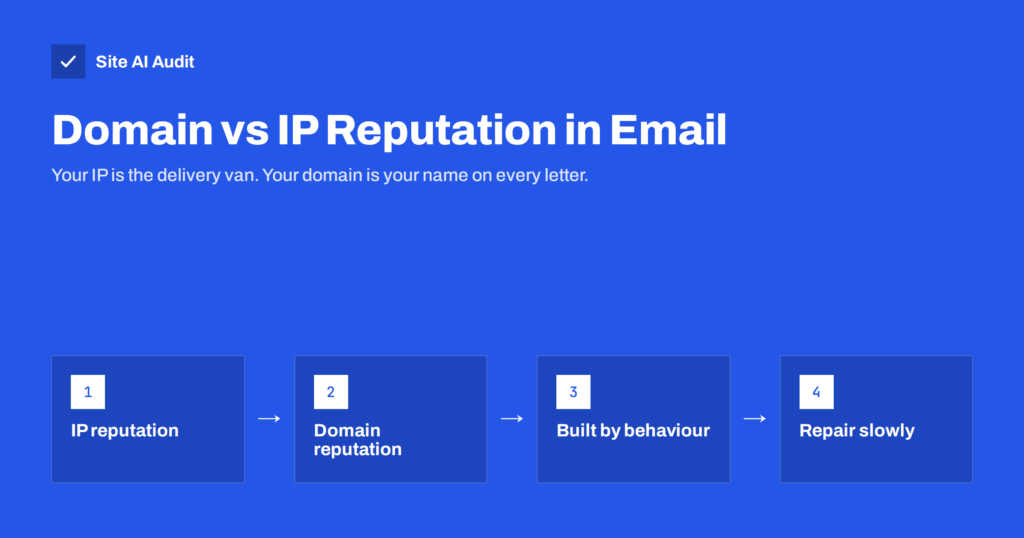
Domain Reputation vs IP Reputation in Email: What Counts
Mailbox providers judge both your sending IP and your domain. Learn how domain and IP reputation differ, how each is built and how to…
 2026. gada 29. sept. · Lasīšanas laiks: 7 min
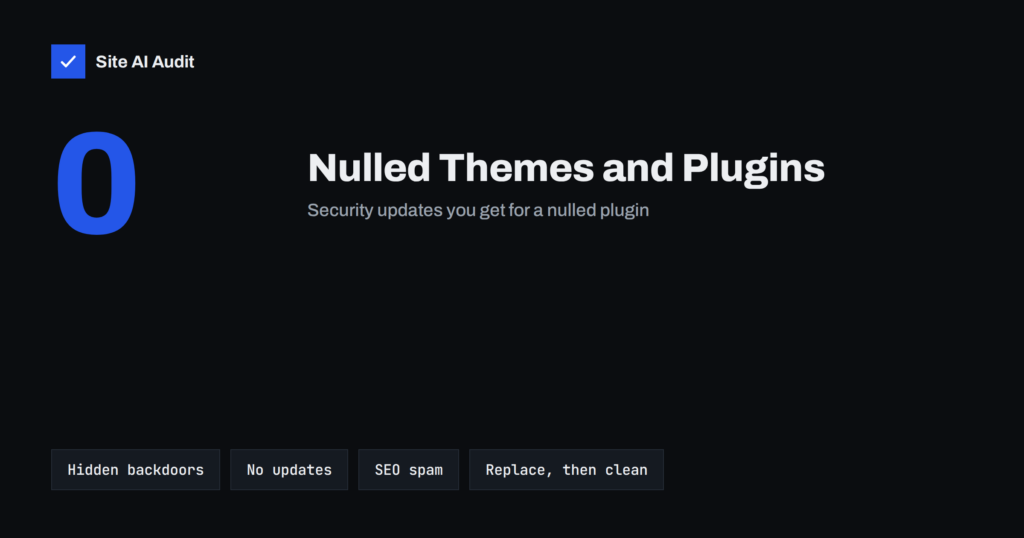
Nulled Themes and Plugins: The Real Cost of Free Premium
Nulled themes and plugins often hide backdoors, spam links and redirects, and never get security updates. Learn the risks, the signs and how to…
 2026. gada 29. sept. · Lasīšanas laiks: 8 min
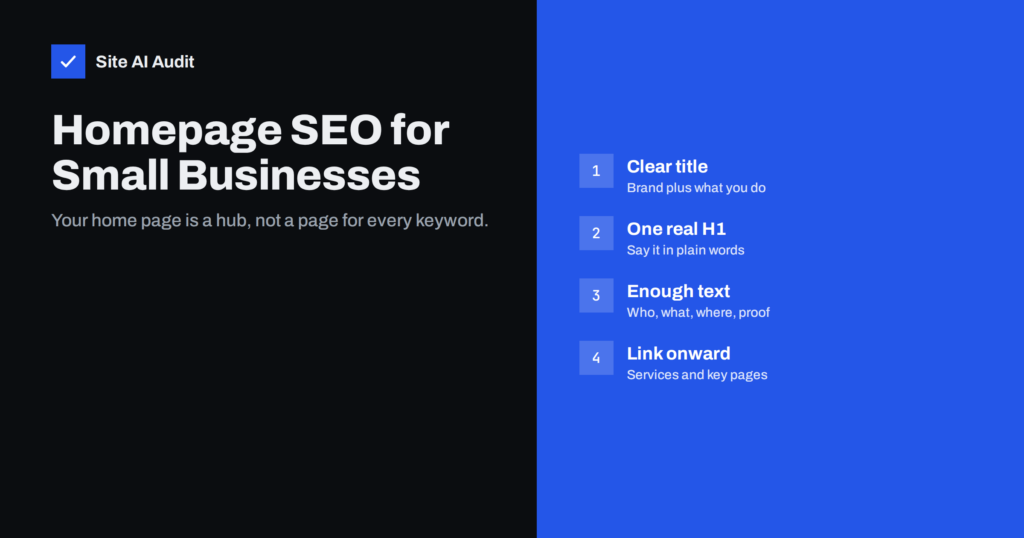
Homepage SEO: What Your Home Page Needs to Be Found
Homepage SEO for small businesses: what to put in the title, H1 and text, how to link to service pages, and the mistakes that…
 2026. gada 29. sept. · Lasīšanas laiks: 8 min
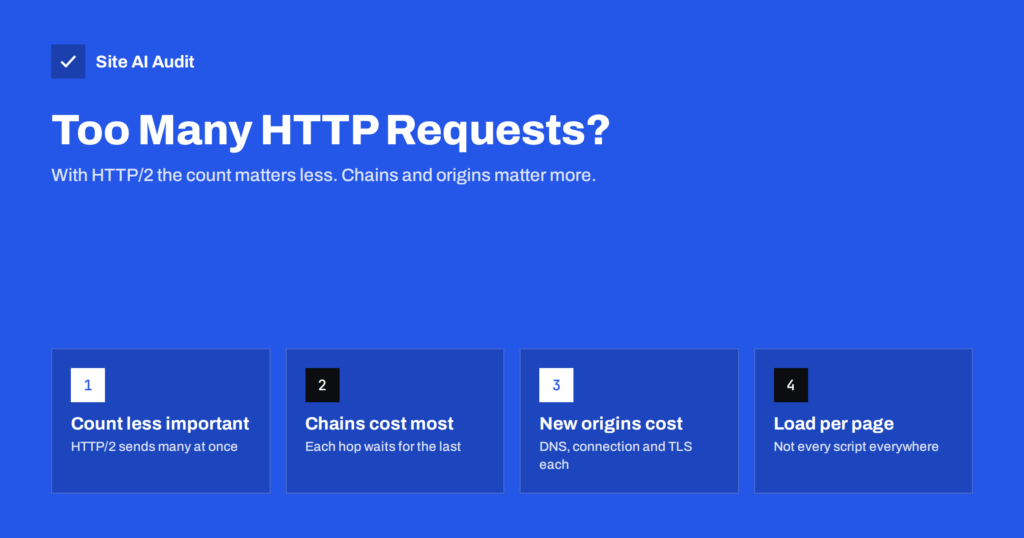
Too Many HTTP Requests? When It Still Matters for Speed
Does the number of HTTP requests still matter with HTTP/2? Learn which requests slow a page, which do not, and how to cut the…
 2026. gada 29. sept. · Lasīšanas laiks: 8 min
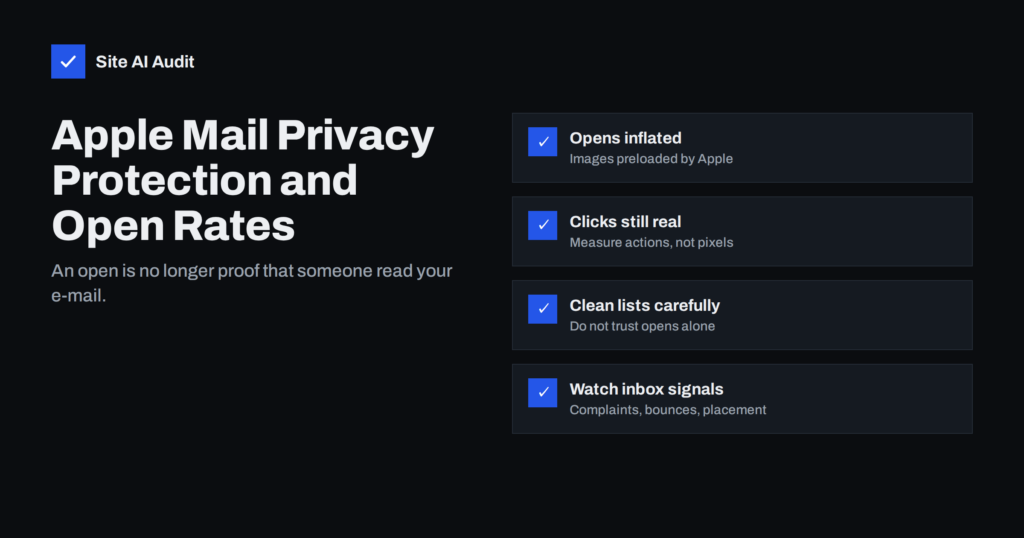
Apple Mail Privacy Protection: Why Open Rates Mislead You
Apple Mail Privacy Protection loads tracking pixels automatically, inflating open rates. Learn what it changes and which metrics to trust instead.
 2026. gada 29. sept. · Lasīšanas laiks: 7 min
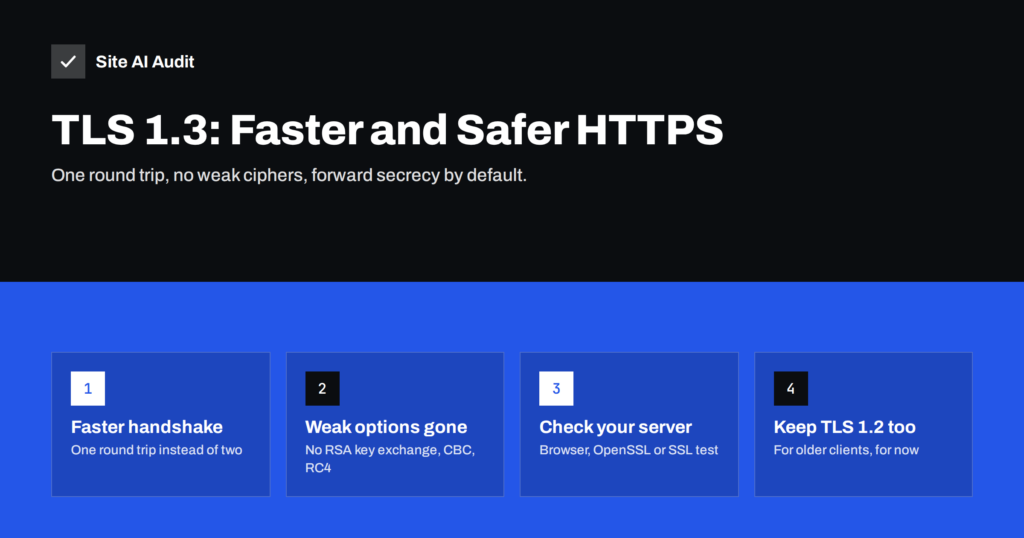
TLS 1.3 Explained: Why It Is Faster and How to Enable It
TLS 1.3 makes HTTPS connections faster and removes weak cryptography. Learn what changed, how to check your server and how to enable it safely.
 2026. gada 29. sept. · Lasīšanas laiks: 7 min
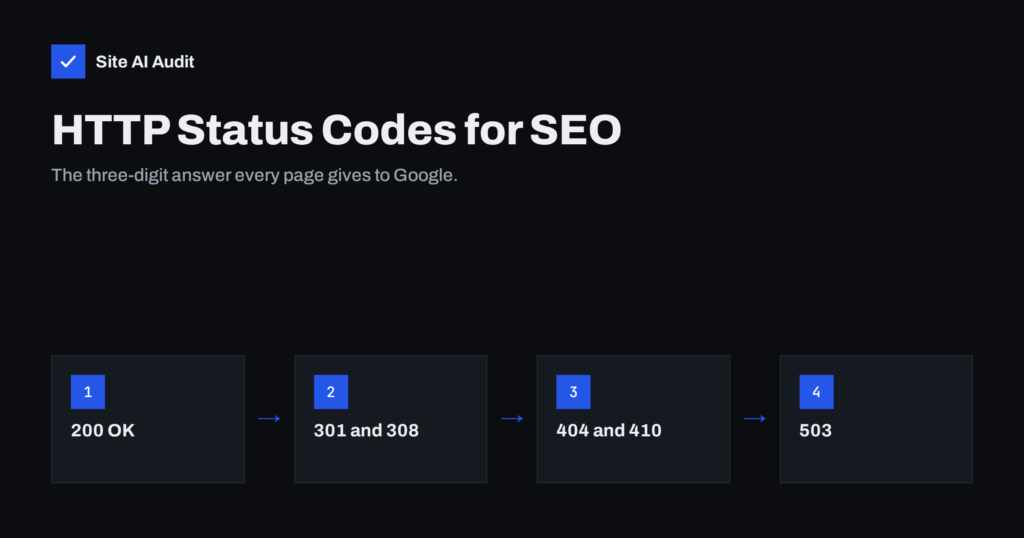
HTTP Status Codes for SEO: What 200, 404, 410 and 503 Mean
Learn which HTTP status codes matter for SEO, how Google treats 200, 301, 404, 410, 500 and 503, and how to find pages returning…
 2026. gada 29. sept. · Lasīšanas laiks: 9 min
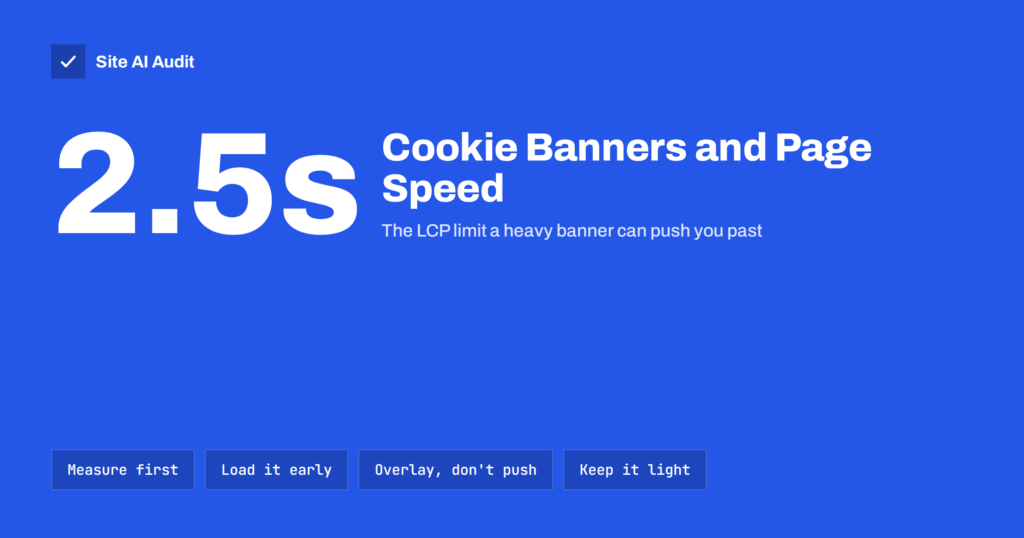
Cookie Consent Banners and Page Speed: How to Keep Both
Cookie consent banners can hurt LCP, CLS and INP. Learn how banners slow pages, how to measure the damage and how to load consent…
 2026. gada 28. sept. · Lasīšanas laiks: 8 min
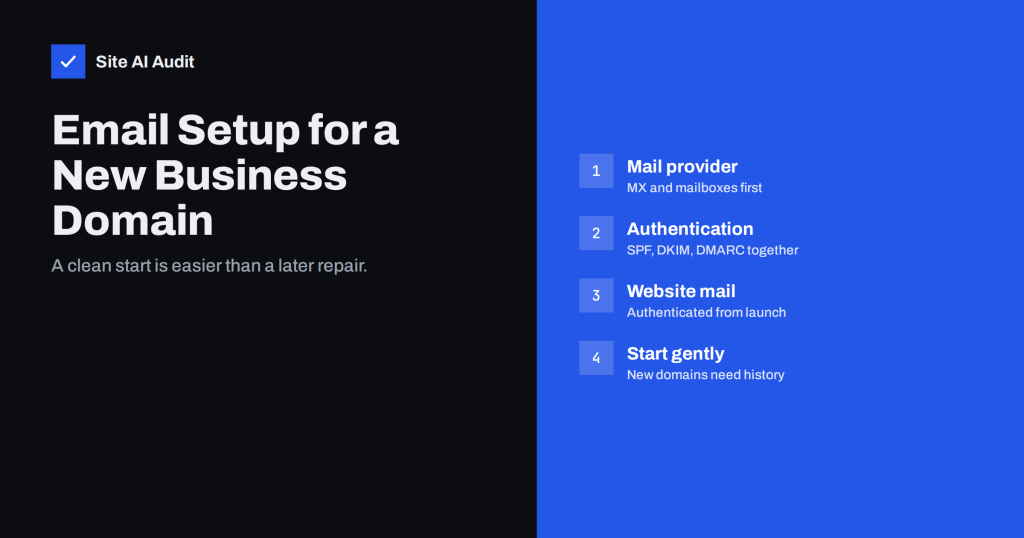
Email Setup for a New Business Domain: Get It Right on Day One
Starting a business or a new domain? Set up MX, SPF, DKIM and DMARC, website mail and sending habits correctly from day one, before…
 2026. gada 28. sept. · Lasīšanas laiks: 8 min
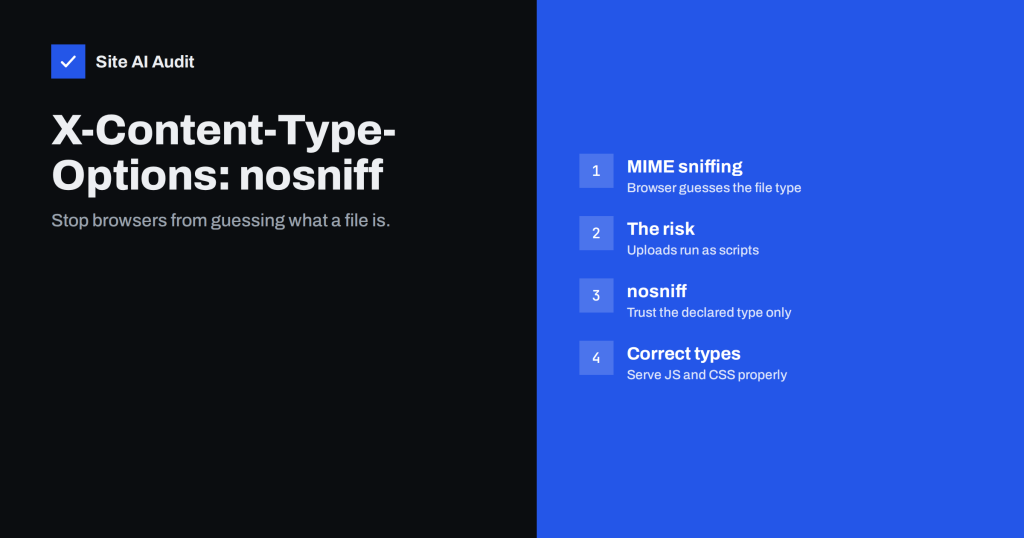
X-Content-Type-Options: nosniff and Safe MIME Types Explained
X-Content-Type-Options: nosniff stops browsers from guessing file types, closing a path for disguised scripts. Learn how MIME sniffing works and how to set it.
 2026. gada 28. sept. · Lasīšanas laiks: 7 min
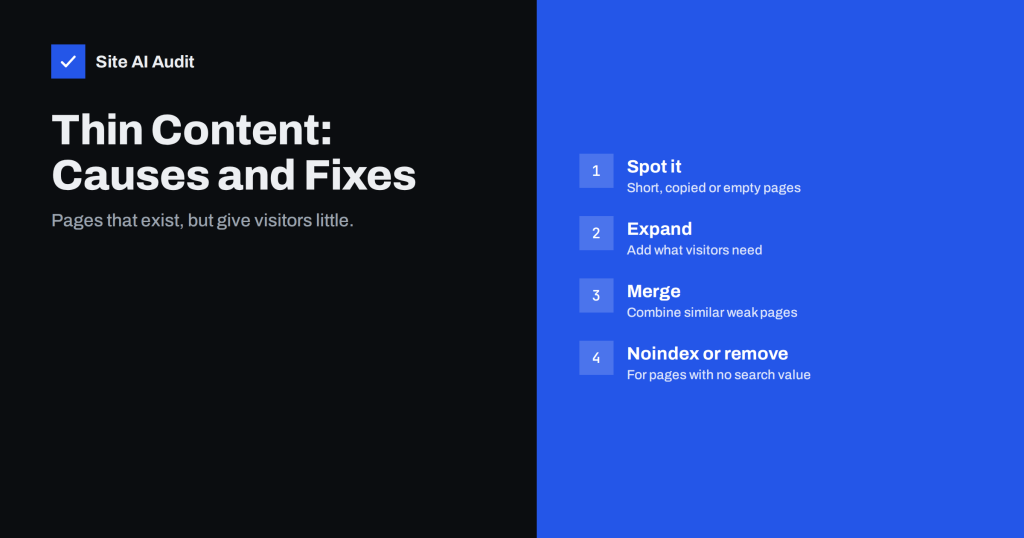
Thin Content: What It Is and How to Fix It on Your Website
What search engines consider thin content, the page types that usually fall into it, and how to decide whether to expand, merge, noindex or…
 2026. gada 27. sept. · Lasīšanas laiks: 7 min
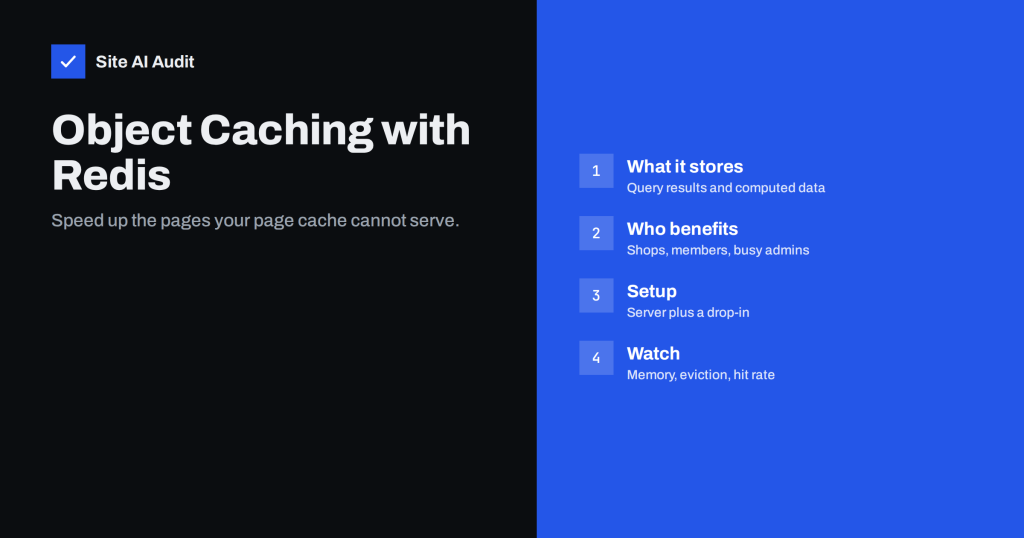
Object Caching with Redis: When Your Website Needs It
Object caching keeps database results in memory so uncached pages build faster. Learn how Redis object caching works, which sites benefit and how to…