 ENEnglish
 LTLietuviškai
 DEDeutsch
 FRFrançais
 RUРусский
 ESEspañol
 PLPolski
 ITItaliano
 UKУкраїнська
 CSČeština
 PTPortuguês
 JA日本語
 LVLatviešu valoda
 ETEesti
 HUMagyar
 IDBahasa Indonesia
 TRTürkçe
 HIहिन्दी
 ELΕλληνικά
 ARالعربية
 THไทย
 VITiếng Việt
 RORomână
 MSBahasa Melayu
 BNবাংলা
#WordPress security
WordPress powers a large share of the web, which makes it a frequent target for automated attacks. Articles tagged here explain how to protect a WordPress site without turning it into a maintenance burden. They cover updates, plugins, themes, user accounts, login protection, file permissions and backups. Each guide separates the measures that really matter from the ones that only look reassuring. The advice works for small business sites, blogs and online shops alike. Read them before and after installing a new plugin or theme.
 19 ott 2026 · 8 min di lettura
Reading Security Advisories: CVE IDs for Website Owners
A CVE number, a severity score and a version range: learn to read a security advisory, decide how urgent it is and update the…
 19 ott 2026 · 8 min di lettura
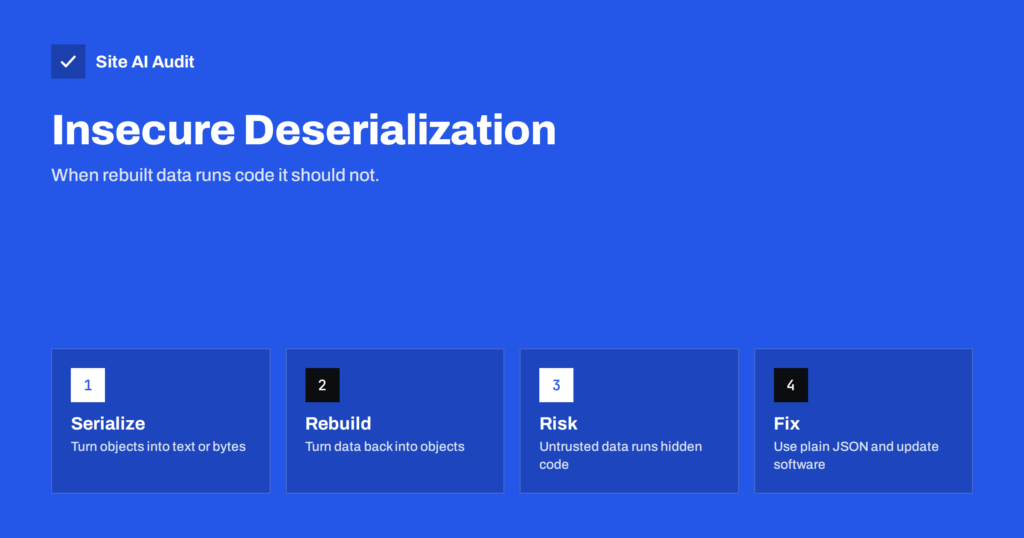
Insecure Deserialization Explained in Plain Language
Insecure deserialization lets attackers feed crafted data to your application and trigger code they should never reach. See how it works and how to…
 19 ott 2026 · 8 min di lettura
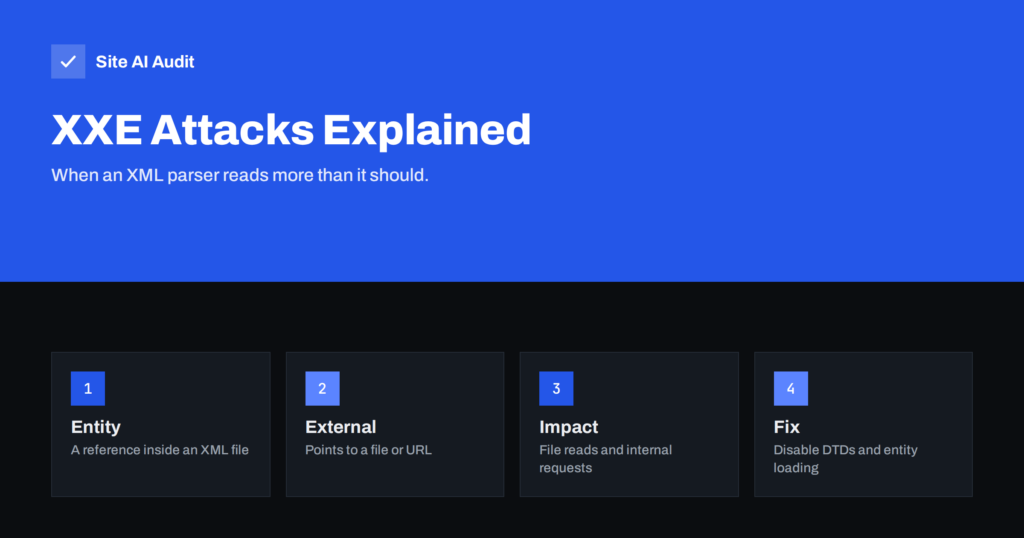
XML External Entity (XXE) Attacks Explained for Site Owners
XXE tricks an XML parser into reading local files or calling internal addresses. Learn where it hides on websites and how developers switch it…
 18 ott 2026 · 7 min di lettura
Command Injection Explained: How to Keep Servers Safe
Command injection lets attackers run system commands through your website. See how it works in plain words and how to prevent it in code,…
 18 ott 2026 · 8 min di lettura
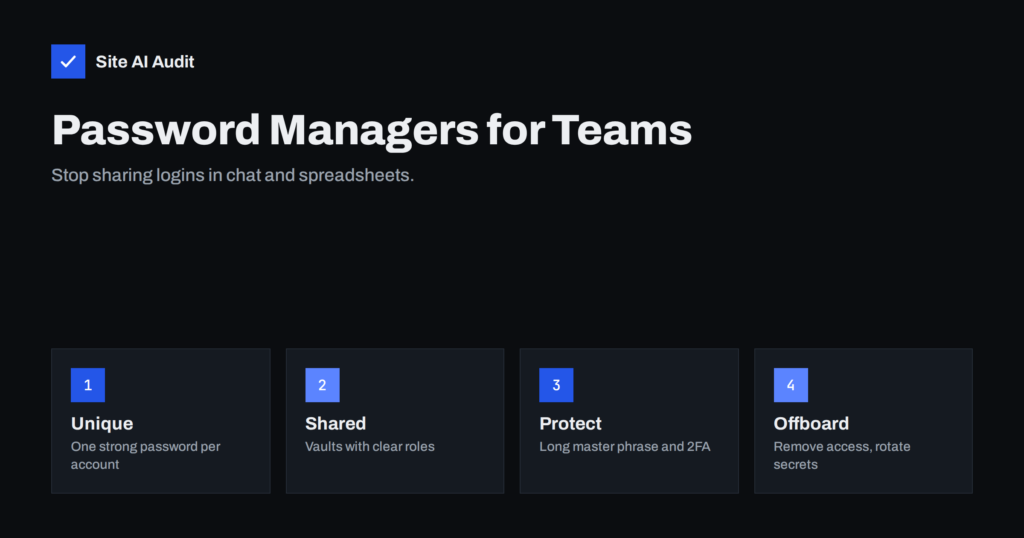
Password Managers for Website Teams: Safer Shared Logins
Spreadsheets and chat messages leak website logins. See how a password manager gives your team strong, unique passwords and safe, trackable access sharing.
 17 ott 2026 · 8 min di lettura
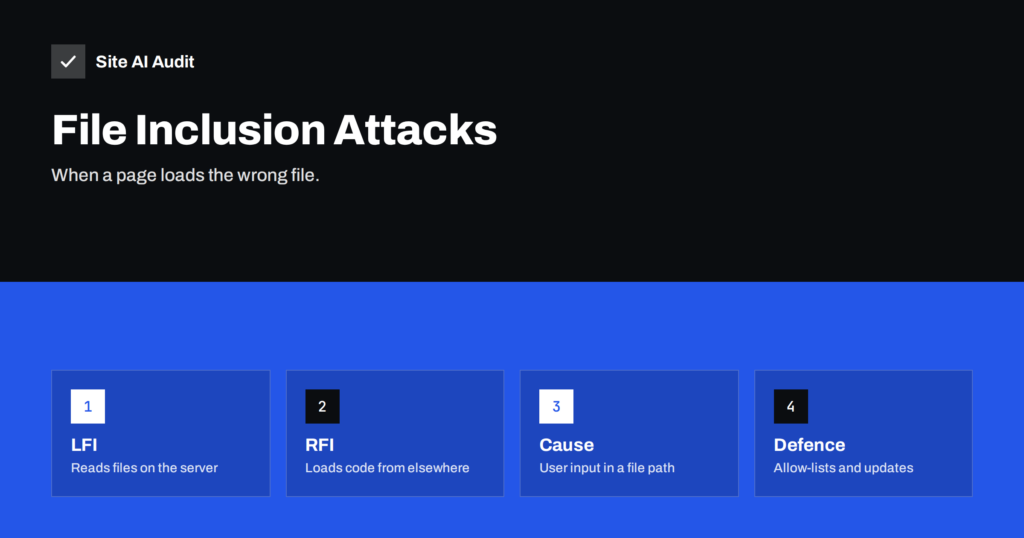
File Inclusion Attacks (LFI and RFI) Explained Simply
Local and remote file inclusion make a website load files it should never touch. Learn how the flaw works, what it can lead to…
 17 ott 2026 · 8 min di lettura
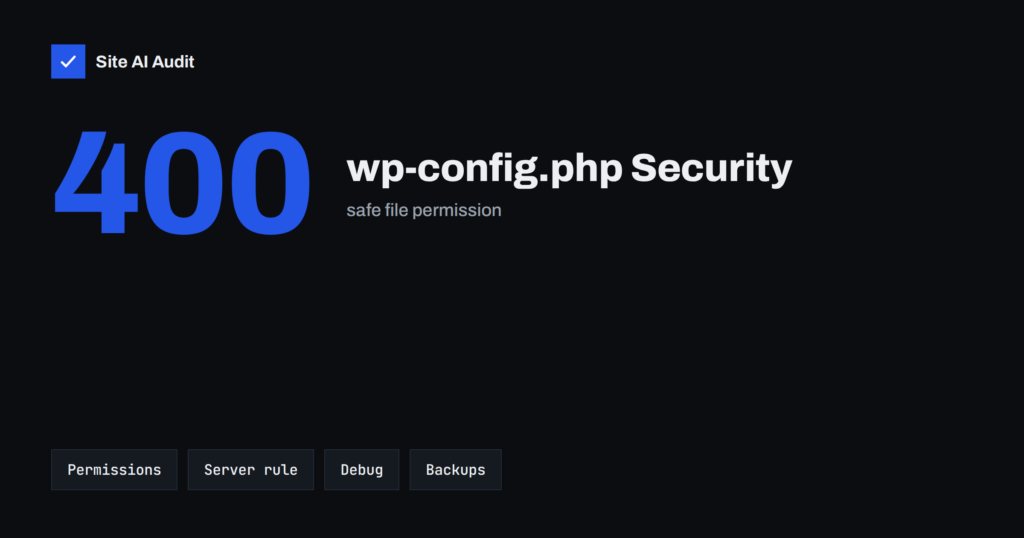
wp-config.php Security: How to Protect and Harden It
wp-config.php holds your database login and security keys, so it is a prime target. Learn the permissions, server rules and settings that protect it.
 17 ott 2026 · 8 min di lettura
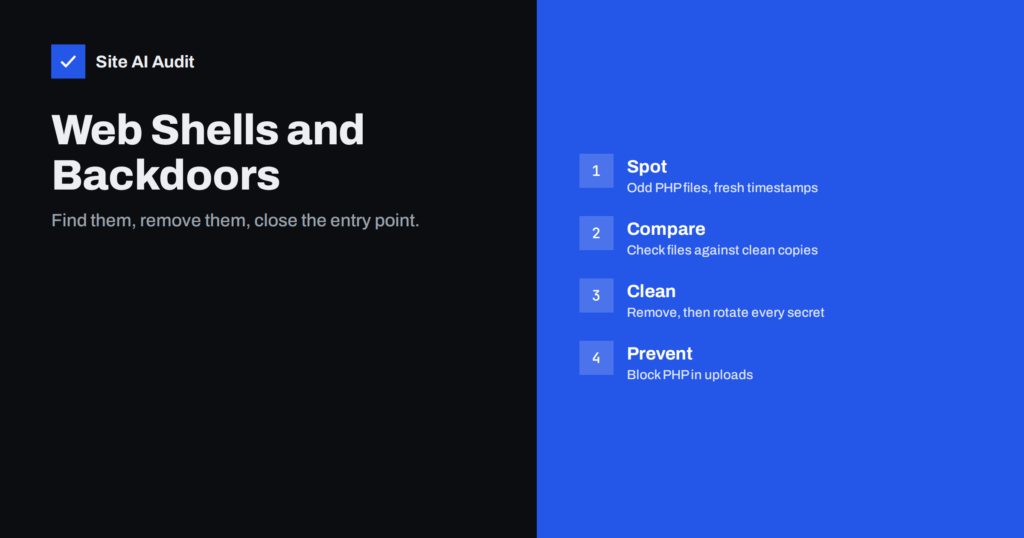
Web Shells and Backdoors: How to Find and Remove Them
A web shell gives an attacker remote control of your server and often survives a cleanup. Learn how to spot one, remove it properly…
 15 ott 2026 · 8 min di lettura
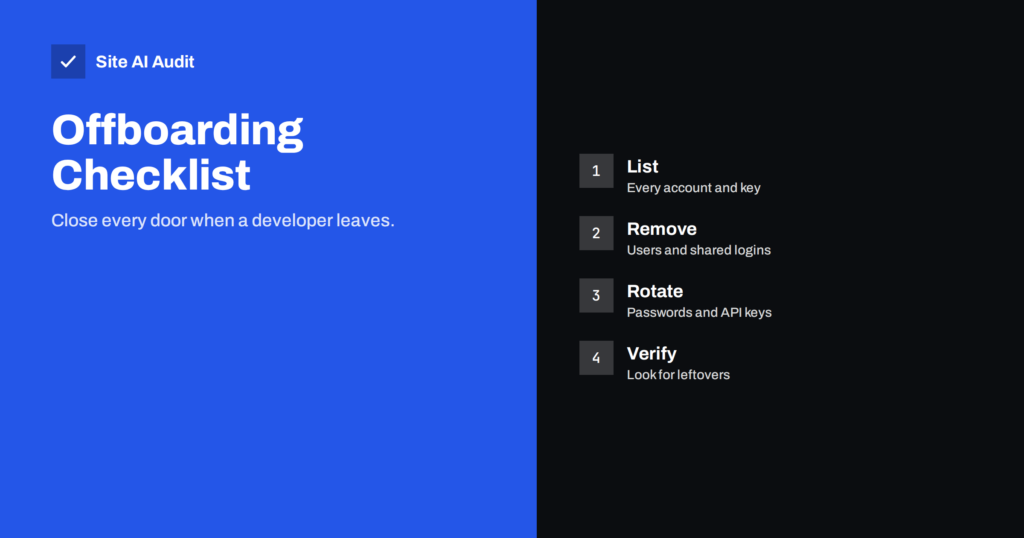
Website Access Offboarding: Remove Ex-Developers Safely
When a developer or agency leaves, their access often stays. Use this checklist to remove old logins, rotate keys and secure your website step…
 15 ott 2026 · 8 min di lettura
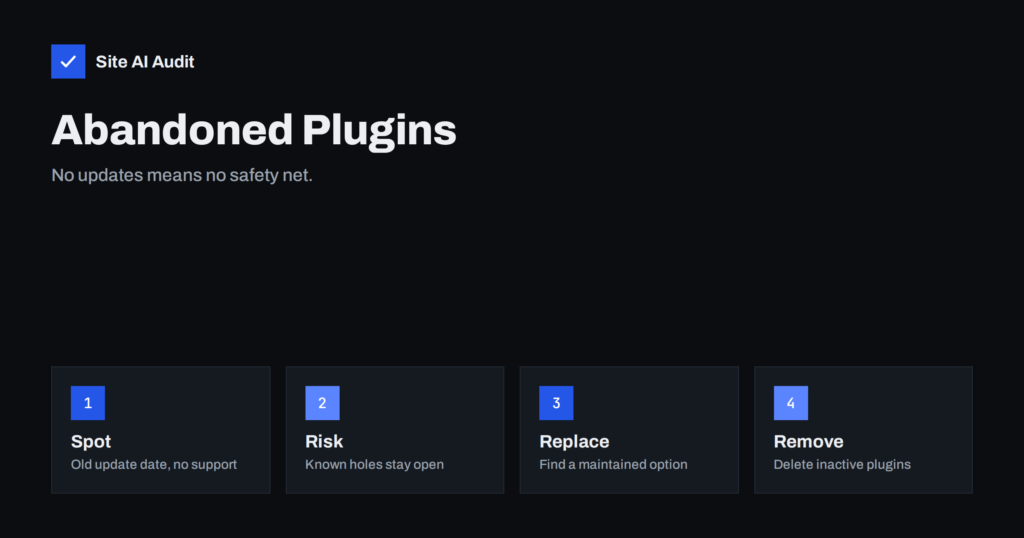
Abandoned WordPress Plugins: How to Spot and Replace Them
A plugin that is no longer updated can become an open door for attackers. Learn how to spot abandoned WordPress plugins and replace them…
 14 ott 2026 · 8 min di lettura
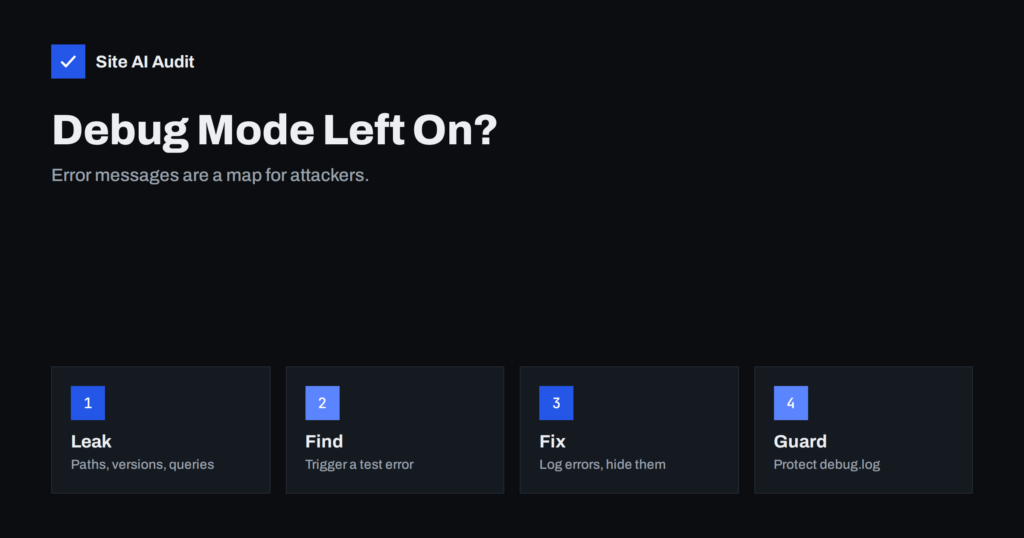
Exposed Error Messages and Debug Mode: Hide Them Now
PHP warnings, stack traces and debug logs give attackers a map of your site. Learn how to find exposed errors and switch debug mode…
 14 ott 2026 · 7 min di lettura
Path Traversal Attacks Explained: How to Stop Them
Path traversal lets attackers read files outside the web folder using ../ tricks. Learn how it works, how to spot it in logs and…