 ENEnglish
 LTLietuviškai
 DEDeutsch
 FRFrançais
 RUРусский
 ESEspañol
 PLPolski
 ITItaliano
 UKУкраїнська
 CSČeština
 PTPortuguês
 JA日本語
 LVLatviešu valoda
 ETEesti
 HUMagyar
 IDBahasa Indonesia
 TRTürkçe
 HIहिन्दी
 ELΕλληνικά
 ARالعربية
 THไทย
 VITiếng Việt
 RORomână
 MSBahasa Melayu
 BNবাংলা
Sicurezza e SSL
The security basics every website should have, explained without jargon. We cover SSL certificates and their expiry, HTTPS redirects, security headers and software versions that should not be visible. Articles show what visitors see when something is wrong and how browsers warn them away. Each guide gives clear steps you can hand to your host or developer. We also explain how monitoring catches an expiring certificate before customers notice. A safe site protects both your visitors and your search rankings.
 12 ott 2026 · 8 min di lettura
SSRF Explained: How Server-Side Request Forgery Works
SSRF tricks your server into fetching URLs an attacker chooses, including internal systems. Learn how it works, where it hides and how to prevent…
 11 ott 2026 · 8 min di lettura
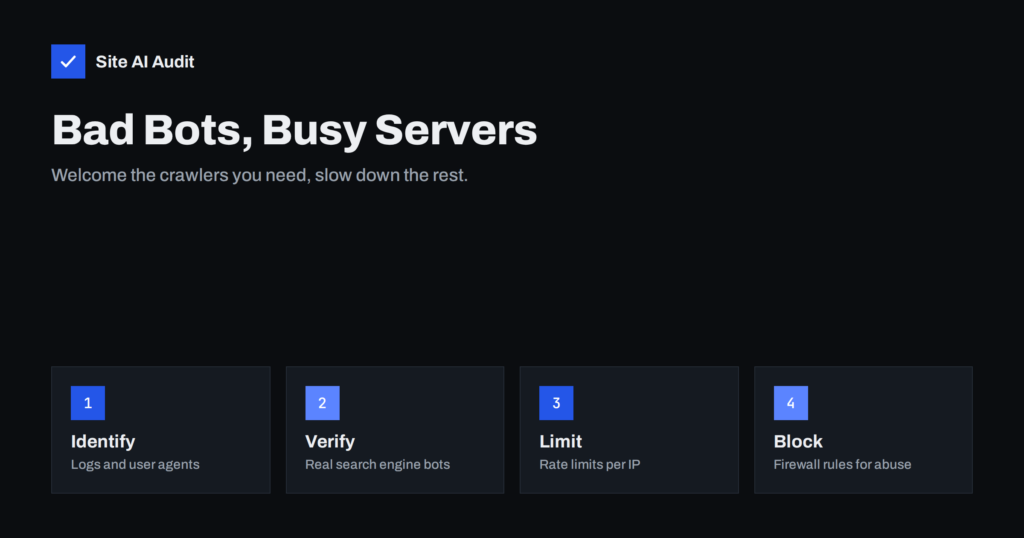
Bad Bots and Aggressive Crawlers: How to Control Bot Traffic
Bots can make up much of your traffic and slow your server. Learn how to tell good bots from bad ones and control them…
 11 ott 2026 · 7 min di lettura
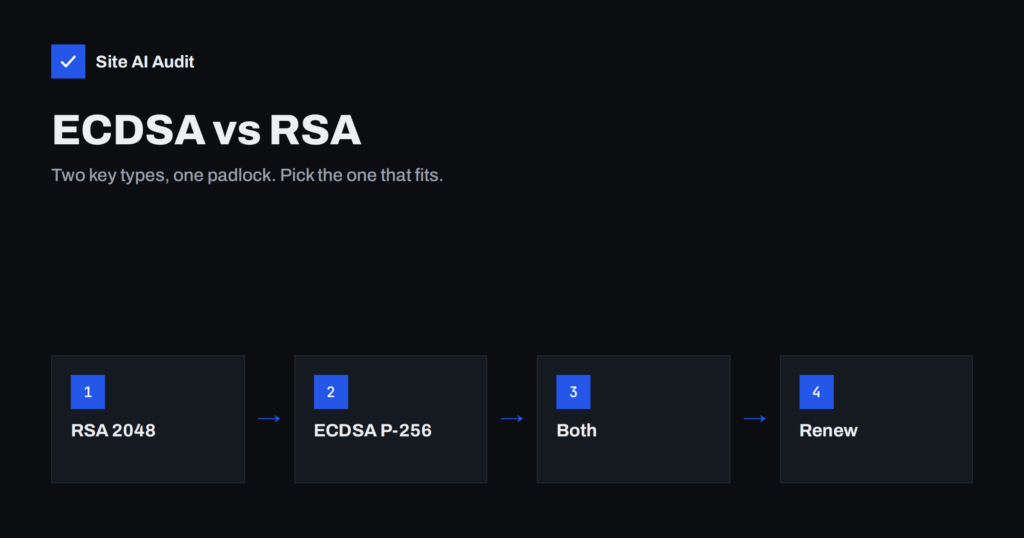
ECDSA vs RSA SSL Certificates: Which Key Type Should You Use?
SSL certificates use either RSA or ECDSA keys. Learn how they differ in speed, security and compatibility, and when serving both certificates makes sense.
 10 ott 2026 · 8 min di lettura
Hotlinking: Stop Other Sites Using Your Images and Bandwidth
Hotlinking means other websites embed your images straight from your server, using your bandwidth. Learn how to spot it and block it without hurting…
 10 ott 2026 · 8 min di lettura
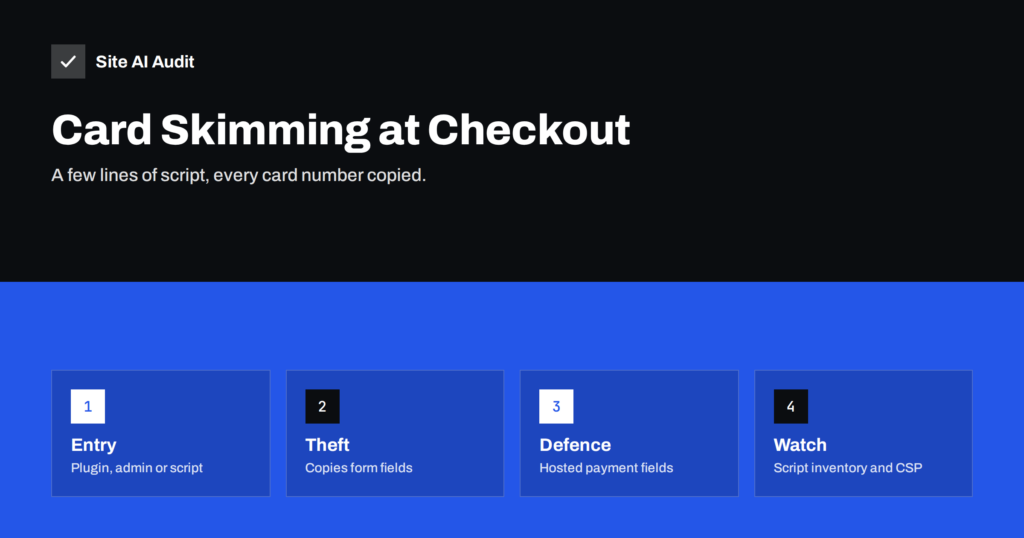
Card Skimming on Checkout Pages: How to Protect Your Shop
Web skimming injects a script into your checkout that copies card details as they are typed. Learn how it works, the warning signs and…
 9 ott 2026 · 8 min di lettura
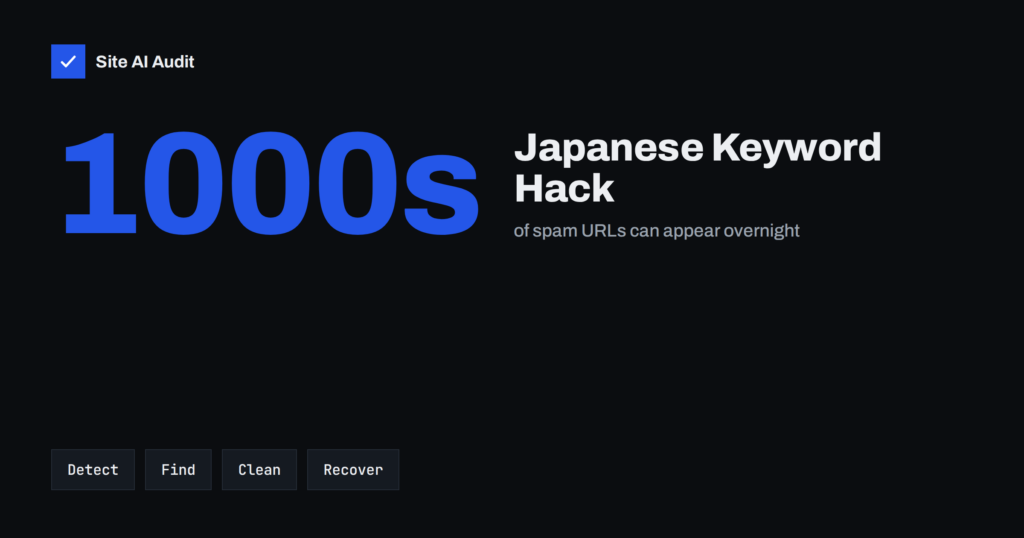
Japanese Keyword Hack: How to Find and Remove SEO Spam Pages
The Japanese keyword hack fills your site with spam pages that Google indexes. Learn how to spot it, clean it up and win back…
 8 ott 2026 · 8 min di lettura
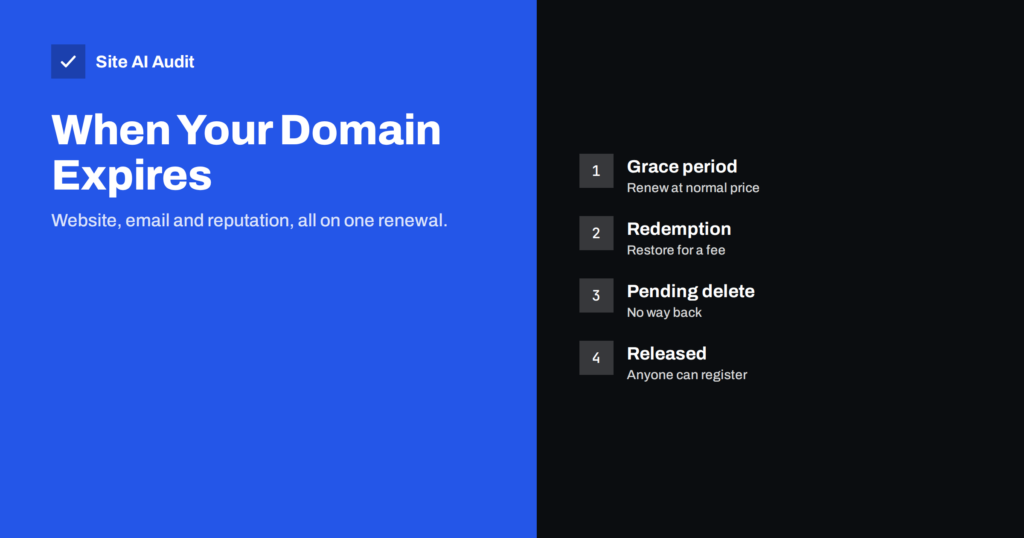
Domain Name Expiry: What Happens When Your Domain Lapses
When a domain registration expires, your website and email stop and the name can end up with someone else. Learn the stages after expiry…
 8 ott 2026 · 8 min di lettura
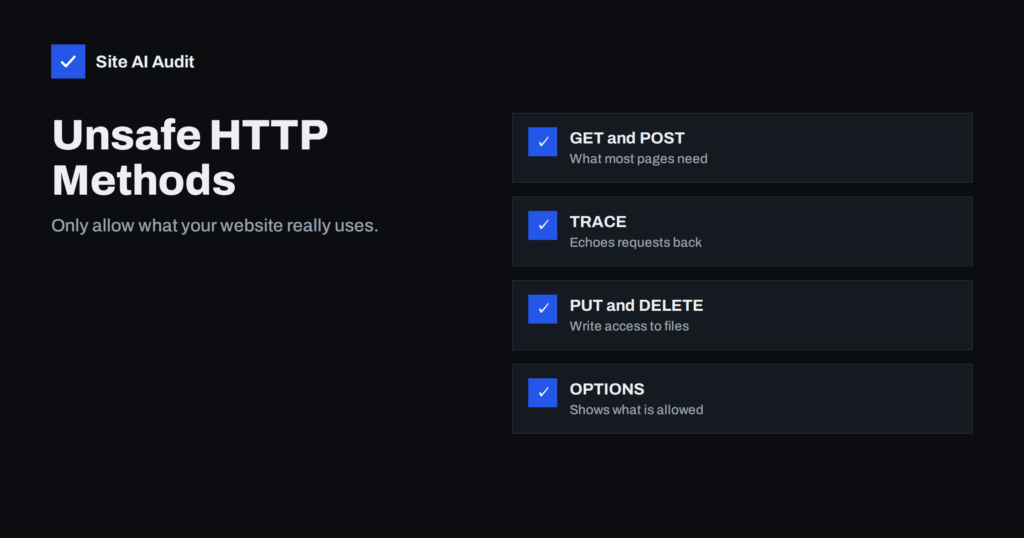
Unsafe HTTP Methods: Why TRACE, PUT and DELETE Should Be Off
TRACE, PUT, DELETE and WebDAV methods left open on a web server can leak data or let attackers upload files. Learn how to test…
 7 ott 2026 · 8 min di lettura
Lookalike Domains and Typosquatting: How to Protect Your Brand
Lookalike domains imitate your name to phish customers and fake invoices. Learn how typosquatting works, how to spot new lookalikes and what you can…
 7 ott 2026 · 8 min di lettura
WordPress User Enumeration: What It Reveals and How to Stop It
Attackers can list WordPress usernames through author URLs, the REST API and login errors. See what user enumeration reveals and how to limit it…
 3 ott 2026 · 8 min di lettura
Open Redirects: How Attackers Abuse Your Website’s Links
An open redirect lets attackers send visitors from your trusted domain to phishing pages. Learn how to find open redirects and fix them in…
 1 ott 2026 · 8 min di lettura
SSL Private Keys: How to Store, Protect and Replace Them
Your SSL certificate is only as safe as its private key. Learn where keys should live, who may access them, and what to do…