 ENEnglish
 LTLietuviškai
 DEDeutsch
 FRFrançais
 RUРусский
 ESEspañol
 PLPolski
 ITItaliano
 UKУкраїнська
 CSČeština
 PTPortuguês
 JA日本語
 LVLatviešu valoda
 ETEesti
 HUMagyar
 IDBahasa Indonesia
 TRTürkçe
 HIहिन्दी
 ELΕλληνικά
 ARالعربية
 THไทย
 VITiếng Việt
 RORomână
 MSBahasa Melayu
 BNবাংলা
Blog
Útmutatók a weboldalak állapotáról, SEO-ról, sebességről, SSL-ről és az e-mailek kézbesíthetőségéről.
 2026. aug. 12. · 7 perc olvasás
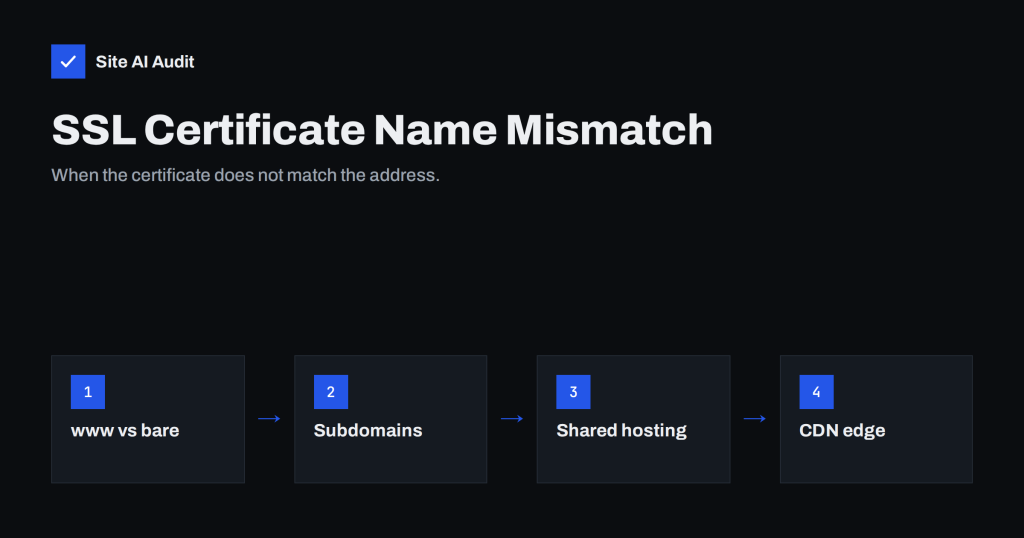
SSL Certificate Name Mismatch: Causes and How to Fix It
A name mismatch error means the certificate does not cover the address the visitor used. Learn the common causes – www, subdomains, CDNs –…
 2026. aug. 12. · 8 perc olvasás
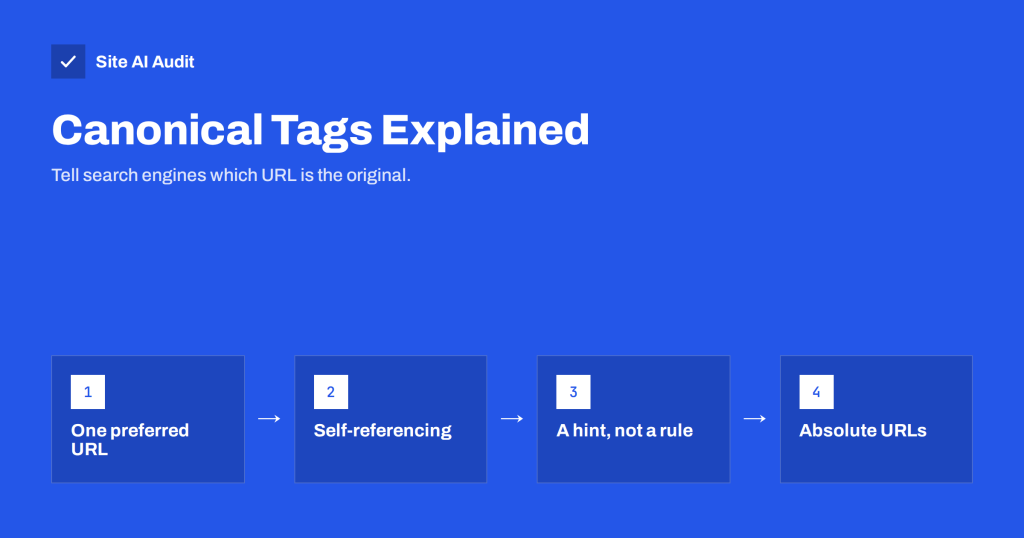
Canonical Tags Explained: How to Handle Duplicate URLs
What a canonical tag is, when to use one, how it differs from redirects and noindex, and how to fix the canonical mistakes that…
 2026. aug. 12. · 7 perc olvasás
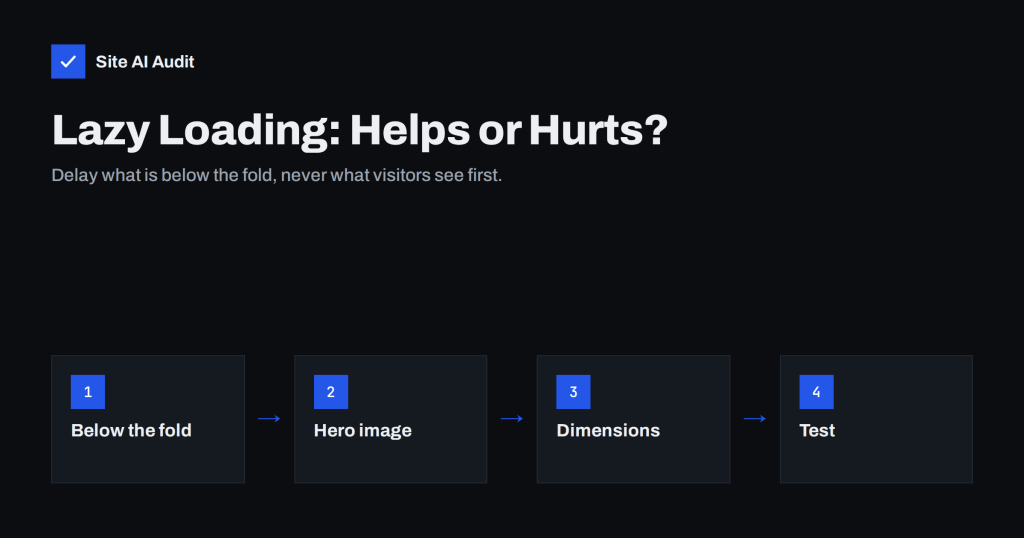
Lazy Loading Images: When It Helps and When It Hurts
Lazy loading can cut page weight or quietly slow your main content. Learn how native lazy loading works, which images to exclude and how…
 2026. aug. 11. · 8 perc olvasás
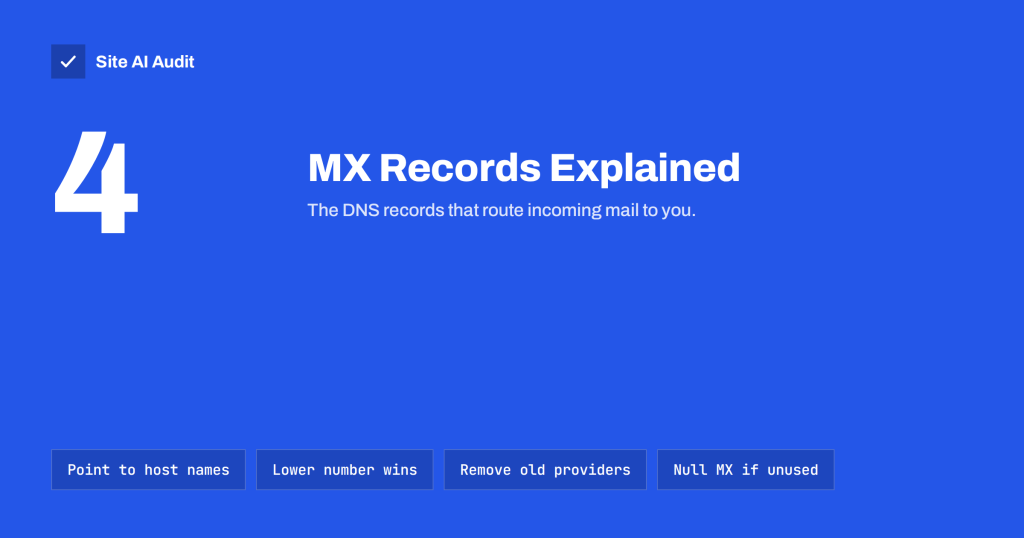
MX Records Explained: How Email Finds Your Mail Server
MX records tell the internet where to deliver mail for your domain. Learn how priorities work, how to check and change them, and the…
 2026. aug. 11. · 8 perc olvasás
Free vs Paid SSL Certificates: Which Does Your Site Need?
Free SSL certificates encrypt just as well as paid ones. Learn where they differ – validation, warranty, lifetime, support – and when paying makes…
 2026. aug. 11. · 8 perc olvasás
The Noindex Tag: When to Use It and How to Check It
How the noindex tag keeps pages out of search results, which pages should use it, how to add it safely and spot an accidental…
 2026. aug. 10. · 8 perc olvasás
WebP vs AVIF vs JPEG: Which Image Format Should You Use?
WebP, AVIF and JPEG compared for real websites: file size, quality, browser support, encoding speed and tools, with a simple rule for choosing the…
 2026. aug. 10. · 8 perc olvasás
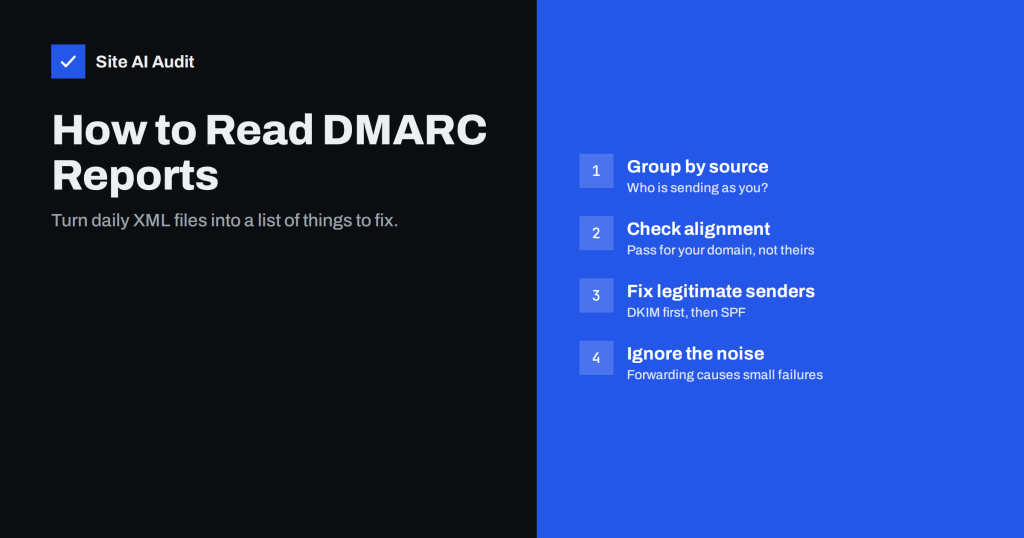
How to Read DMARC Aggregate Reports Without Getting Lost
DMARC aggregate reports show every server sending mail with your domain. Learn how to read the XML, sort sources into groups and decide what…
 2026. aug. 10. · 8 perc olvasás
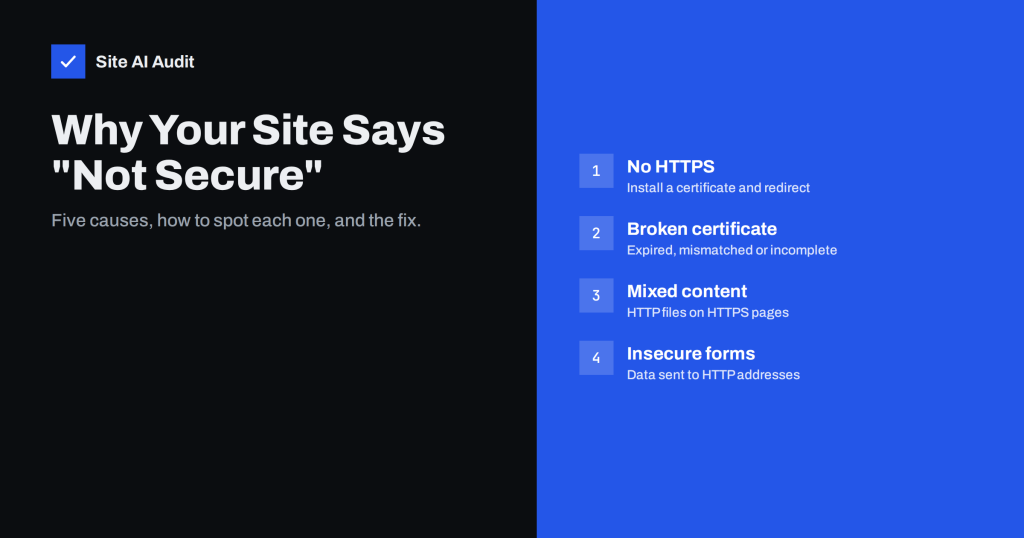
Why Your Website Says “Not Secure” and How to Fix It
The Not Secure label appears for a handful of reasons: no HTTPS, a broken certificate, mixed content or insecure forms. Here is how to…
 2026. aug. 10. · 8 perc olvasás
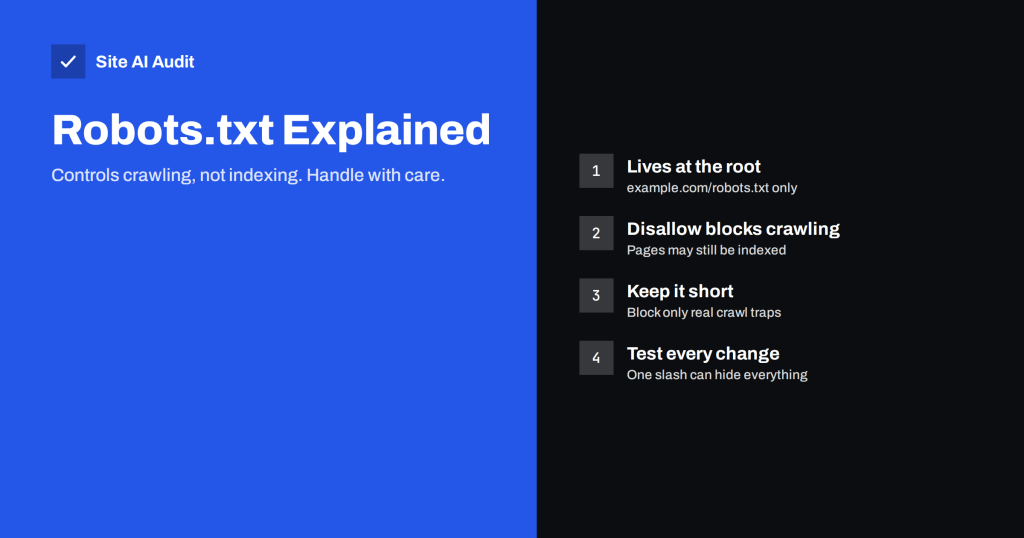
Robots.txt Explained: A Beginner’s Guide With Safe Examples
What robots.txt does and does not do, how its rules work, safe examples for WordPress and shops, and the mistakes that can block a…
 2026. aug. 9. · 7 perc olvasás
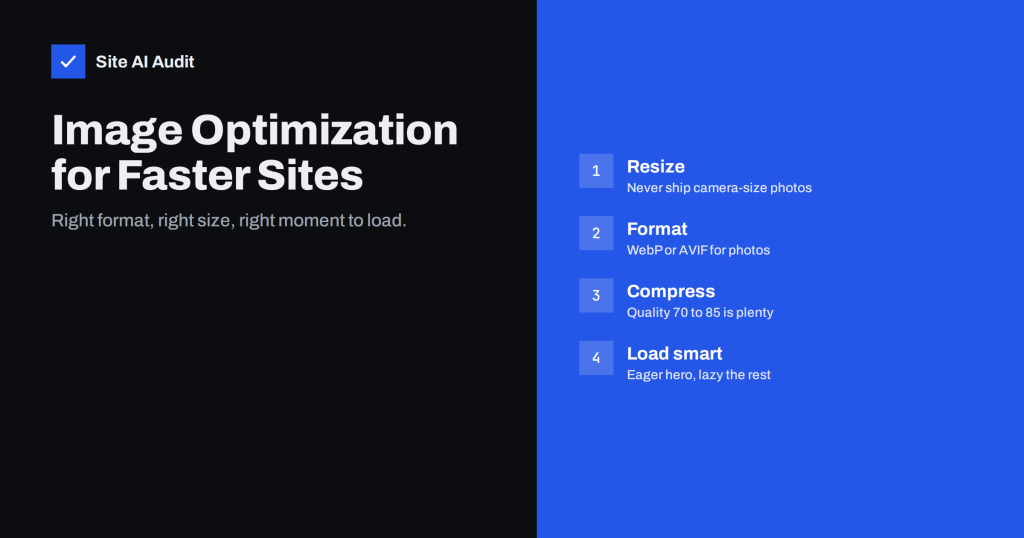
Image Optimization for Faster Websites: A Practical Guide
Images are often the heaviest part of a web page. Learn how to choose formats, resize, compress and load images so your site gets…
 2026. aug. 9. · 8 perc olvasás
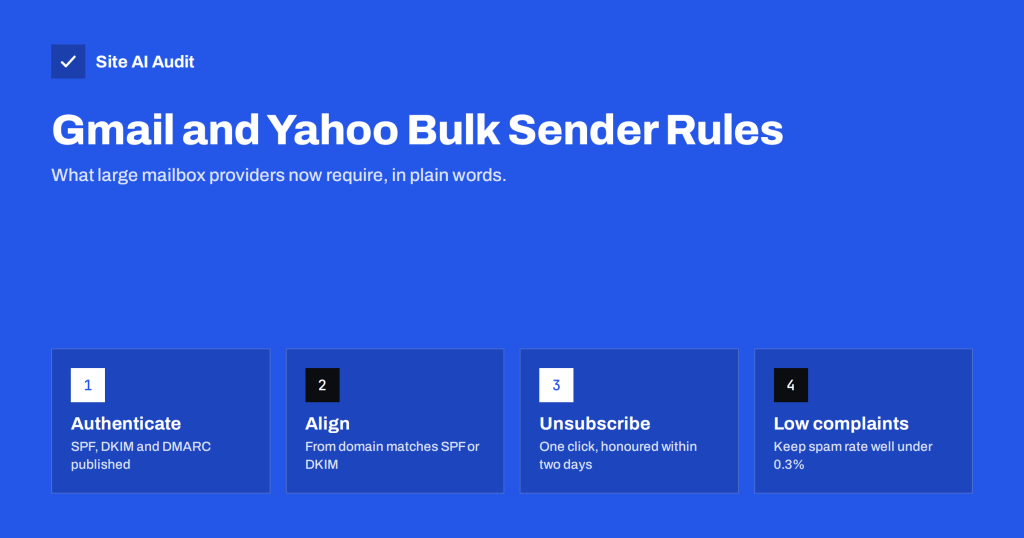
Gmail and Yahoo Bulk Sender Requirements: A Practical Guide
What Gmail, Yahoo and Outlook.com require from bulk senders: SPF, DKIM, DMARC, alignment, one-click unsubscribe and spam-rate limits, with a checklist.