 ENEnglish
 LTLietuviškai
 DEDeutsch
 FRFrançais
 RUРусский
 ESEspañol
 PLPolski
 ITItaliano
 UKУкраїнська
 CSČeština
 PTPortuguês
 JA日本語
 LVLatviešu valoda
 ETEesti
 HUMagyar
 IDBahasa Indonesia
 TRTürkçe
 HIहिन्दी
 ELΕλληνικά
 ARالعربية
 THไทย
 VITiếng Việt
 RORomână
 MSBahasa Melayu
 BNবাংলা
Security & SSL
The security basics every website should have, explained without jargon. We cover SSL certificates and their expiry, HTTPS redirects, security headers and software versions that should not be visible. Articles show what visitors see when something is wrong and how browsers warn them away. Each guide gives clear steps you can hand to your host or developer. We also explain how monitoring catches an expiring certificate before customers notice. A safe site protects both your visitors and your search rankings.
 Sep 16, 2026 · 8 min read
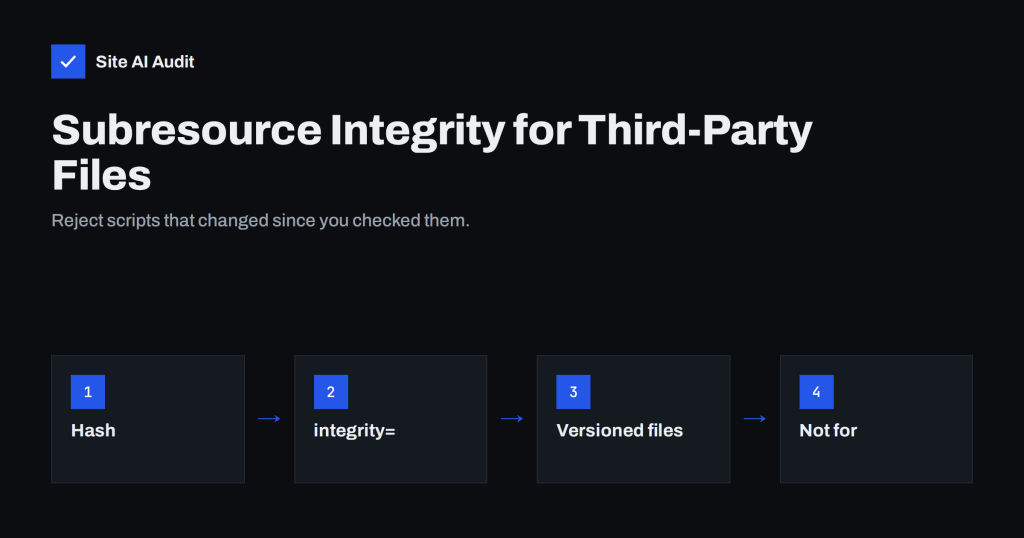
Subresource Integrity: Protect Your Site From Tampered Scripts
Subresource Integrity lets browsers reject third-party scripts and styles that have been changed. Learn how SRI works, when to use it and where it…
 Sep 15, 2026 · 8 min read
How to Add Security Headers on Apache, Nginx, WordPress and CDNs
Copy-ready examples for adding HSTS, CSP, X-Frame-Options and other security headers on Apache, Nginx, WordPress hosting and CDNs, plus how to verify them.
 Sep 14, 2026 · 8 min read
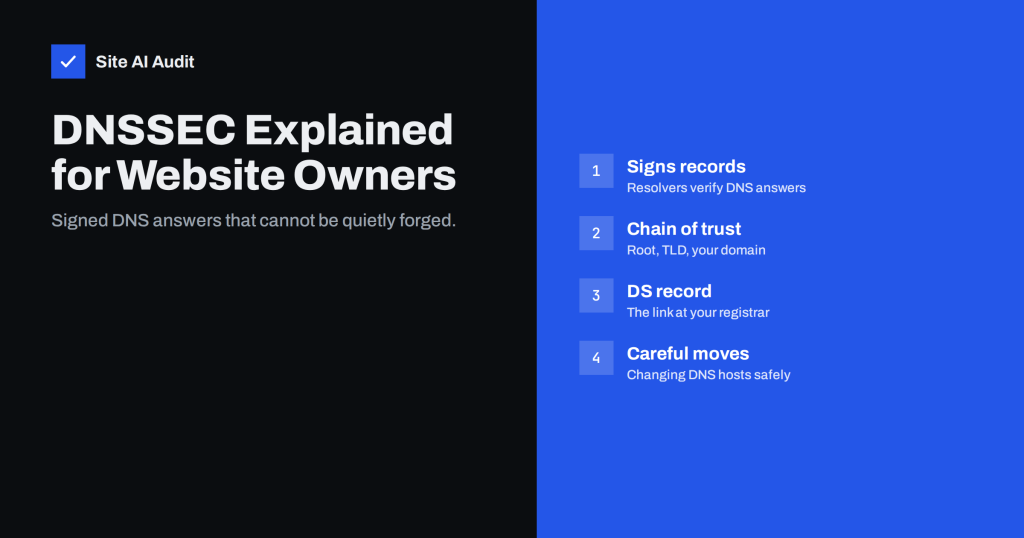
DNSSEC Explained for Website Owners: Is It Worth Enabling?
DNSSEC signs your DNS records so resolvers can detect forged answers. Learn how it works, what it protects, the risks of misconfiguration and how…
 Sep 12, 2026 · 8 min read
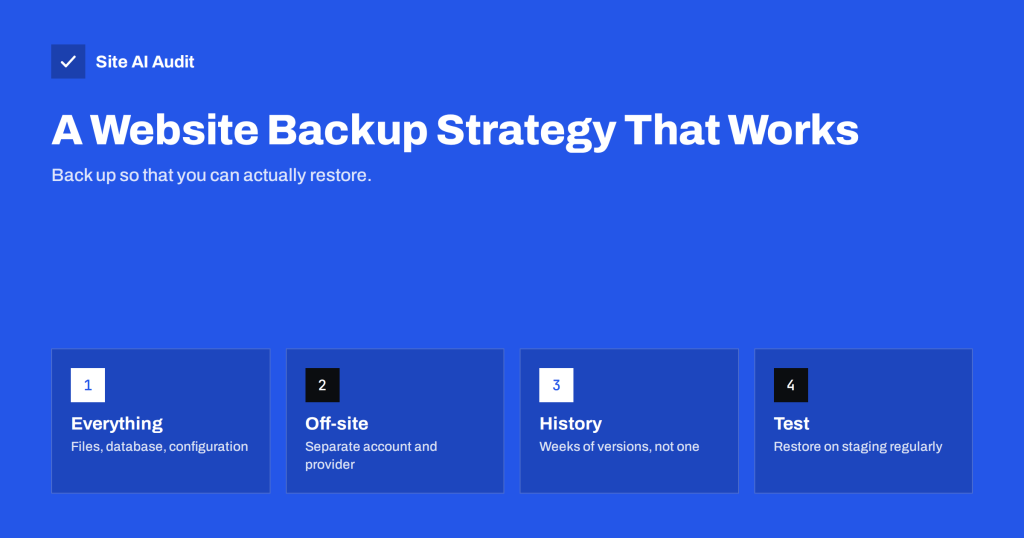
Website Backup Strategy: How to Back Up So You Can Restore
Backups only matter if you can restore them. Learn what to back up, how often, where to store copies and how to test restores…
 Sep 11, 2026 · 7 min read
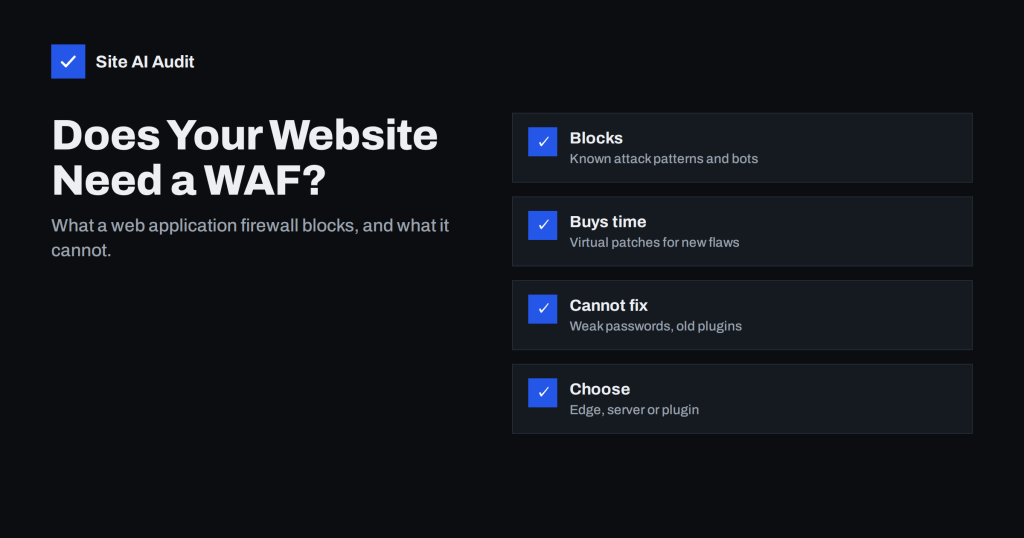
Web Application Firewall (WAF): Does Your Website Need One?
A web application firewall filters malicious requests before they reach your site. Learn what a WAF blocks, what it cannot do, and which type…
 Sep 10, 2026 · 8 min read
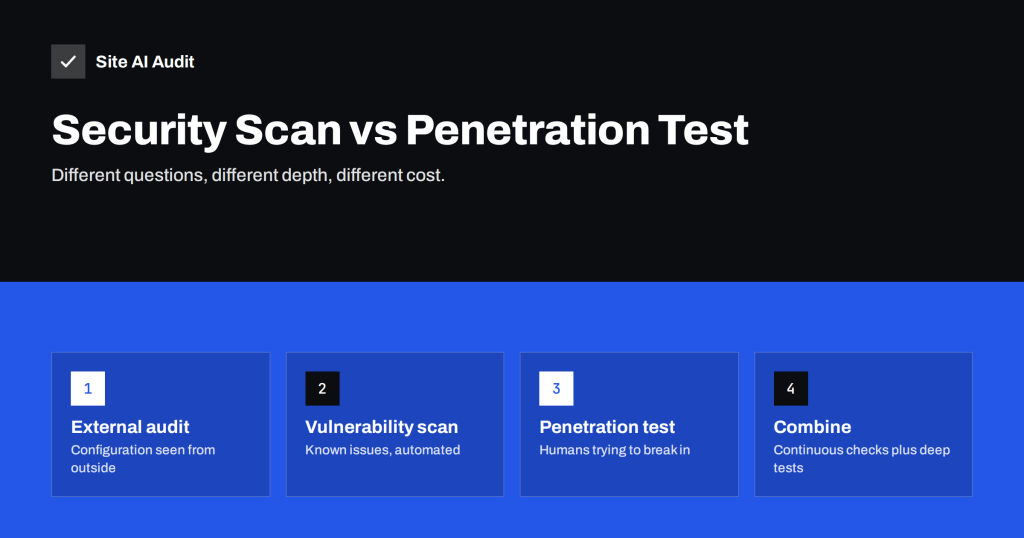
Website Security Scan vs Penetration Test: What You Need
Automated security scans, audits and penetration tests answer different questions at very different costs. Learn what each covers and when you need which.
 Sep 9, 2026 · 7 min read
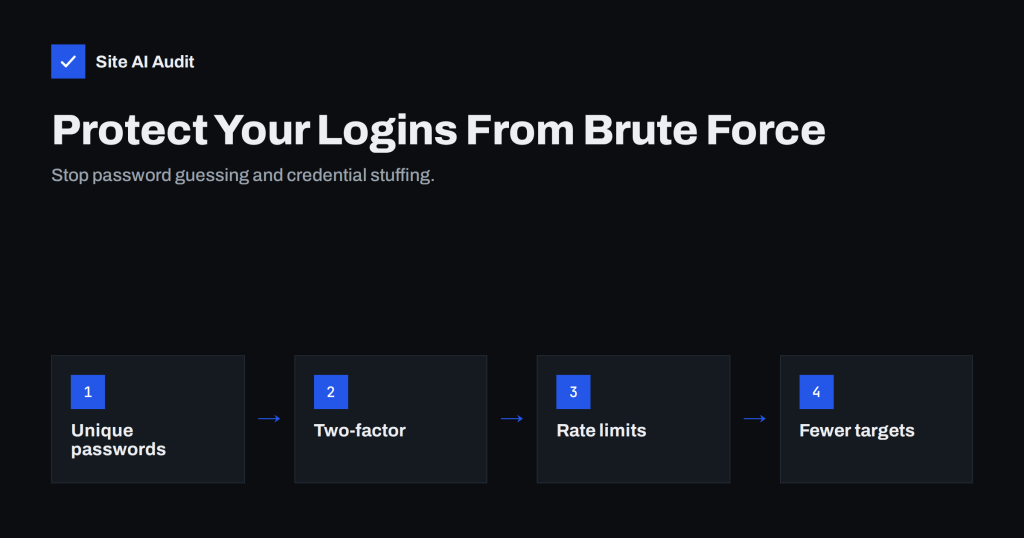
Brute-Force Login Attacks: How to Protect Your Website Logins
Bots try thousands of passwords on website logins every day. Learn how brute-force and credential stuffing work and which protections actually stop them.
 Sep 8, 2026 · 8 min read
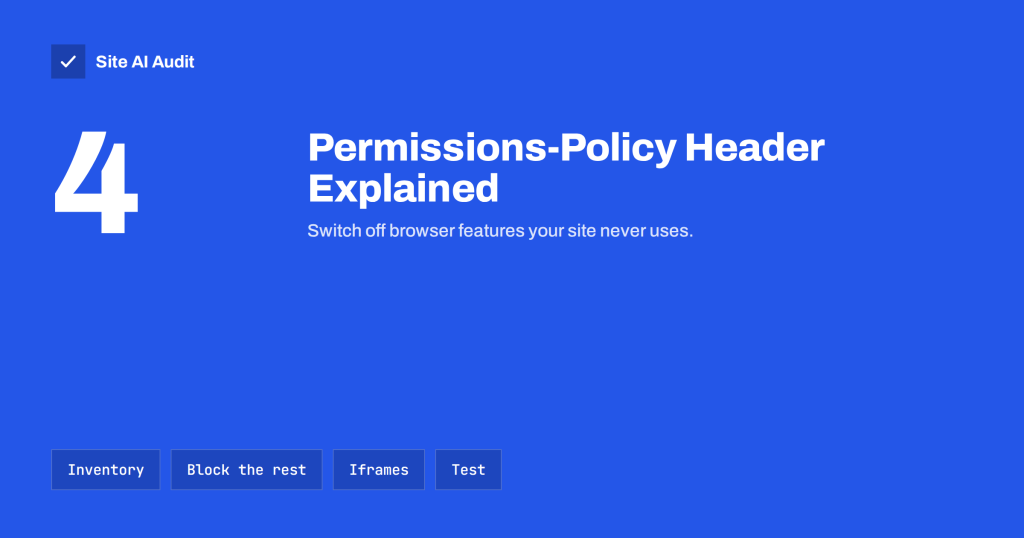
Permissions-Policy Header: Control Camera, Location and More
Permissions-Policy lets you switch off browser features like camera, microphone and geolocation for your pages and embedded iframes. Here is how to set it.
 Sep 7, 2026 · 8 min read
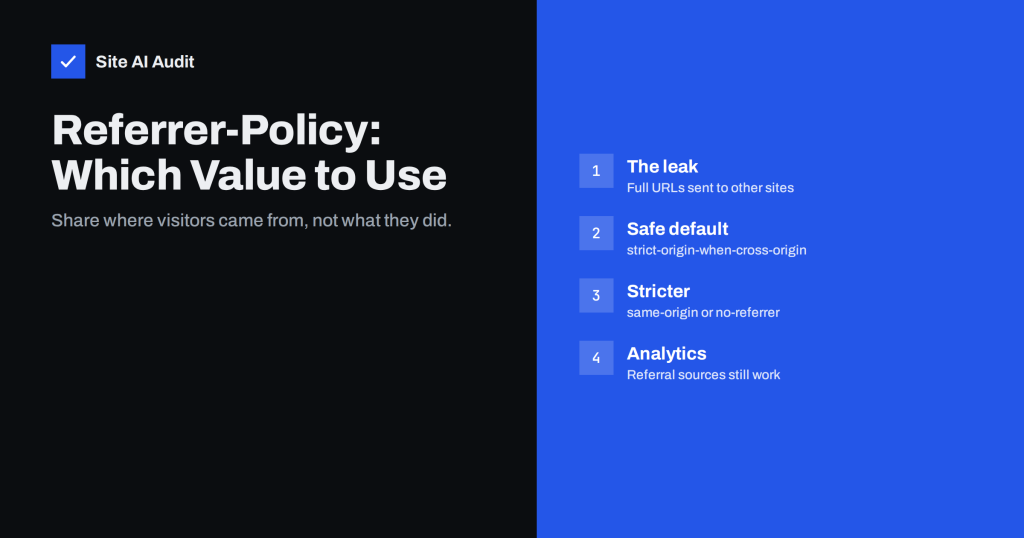
Referrer-Policy Header: Which Value to Use and Why It Matters
Referrer-Policy controls how much of your page URLs other sites see. Learn what each value does, the safe default, and how it affects analytics…
 Sep 6, 2026 · 7 min read
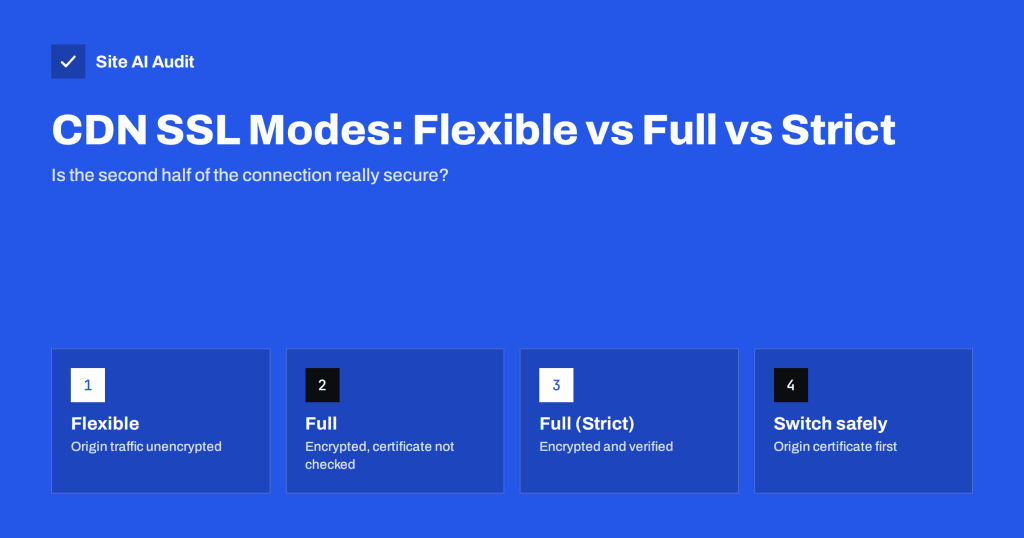
CDN SSL Modes Explained: Flexible vs Full vs Full (Strict)
Flexible, Full and Full (Strict) decide whether traffic between your CDN and server is encrypted and verified. Learn the risks and how to switch…
 Sep 4, 2026 · 8 min read
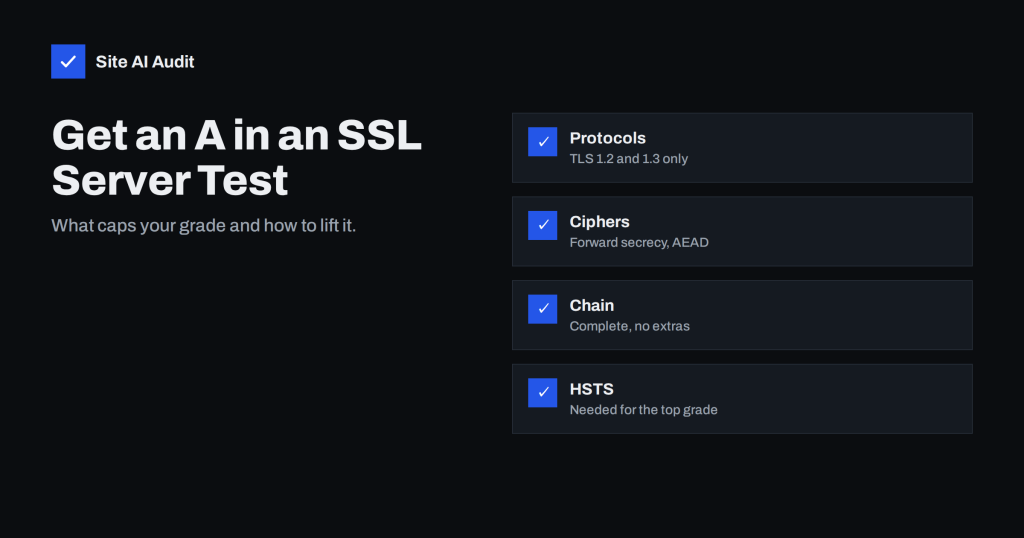
How to Get an A Grade in an SSL Server Test: A Practical Guide
A poor SSL test grade usually comes from old protocols, weak ciphers, chain issues or missing HSTS. Learn what the tests check and how…
 Sep 3, 2026 · 8 min read
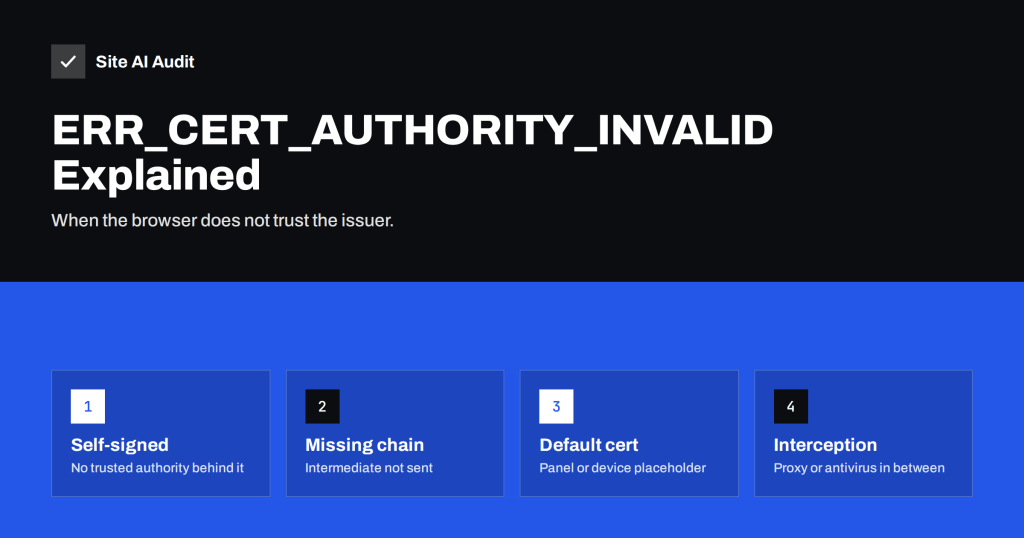
NET::ERR_CERT_AUTHORITY_INVALID: Causes and How to Fix It
ERR_CERT_AUTHORITY_INVALID means the browser does not trust who issued your certificate. Learn how self-signed certificates, chains and proxies cause it.